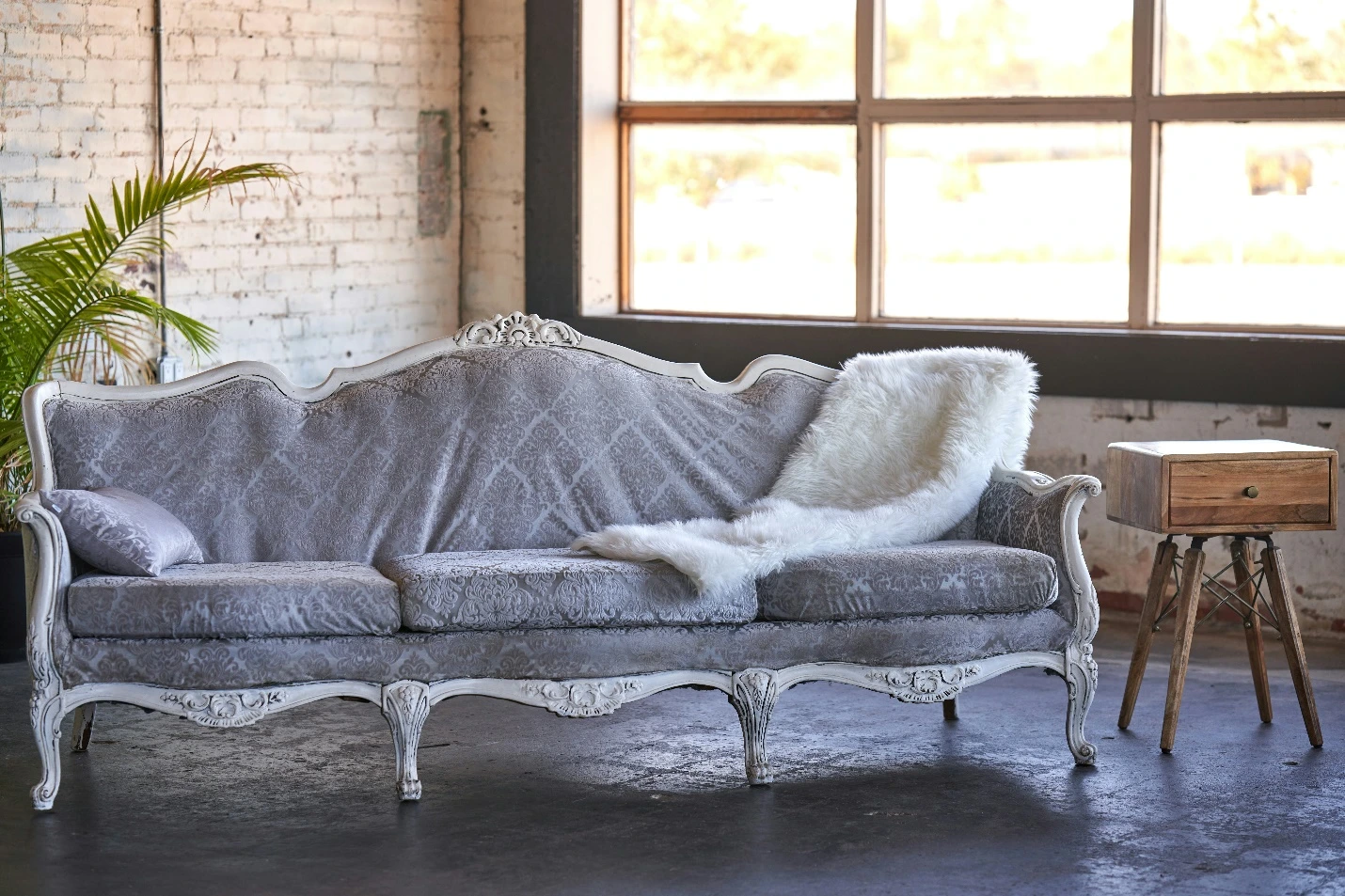
Understanding the Essence of Wabi-Sabi in Furniture Design
Wabi-sabi is a Japanese aesthetic philosophy that embraces imperfection, simplicity, and the natural cycle of growth and decay. In furniture design, this translates to pieces that highlight organic textures, asymmetry, and the beauty of wear and age. Unlike conventional styles that aim for flawless precision, wabi-sabi furniture celebrates authenticity and unrefined charm, creating a warm, inviting atmosphere in any living space.
This design ethos aligns closely with sustainable practices, as it often incorporates reclaimed materials or embraces handcrafted methods that result in unique, one-of-a-kind pieces. According to experts in interior design, wabi-sabi furniture encourages mindfulness and a connection to nature, enhancing both the physical environment and emotional well-being of inhabitants.
The Unique Characteristics of Wabi-Sabi Furniture
Wabi-sabi collections typically feature natural woods with visible grains, rough finishes, and muted earthy tones. The furniture often possesses a subtle asymmetry or irregularity that adds character and depth. Key elements include:
- Raw textures: Surfaces that feel tactile and unpolished, such as untreated wood or hand-thrown ceramics.
- Neutral color palettes: Soft browns, grays, and off-whites that evoke tranquility and simplicity.
- Minimalist forms: Designs that strip away excess decoration, focusing instead on function and the inherent beauty of materials.
- Visible craftsmanship: Evident handwork or imperfections that tell a story, enhancing the narrative of each piece.
These features work together to create furniture that feels grounded and timeless rather than trendy or disposable.
How Wabi-Sabi Furniture Complements Modern Interiors
In contemporary homes, wabi-sabi furniture provides a refreshing contrast to sleek, mass-produced pieces. It introduces warmth and authenticity, making spaces feel more lived-in and personalized. Designers often pair wabi-sabi items with modern minimalist décor to achieve a balanced aesthetic that is both sophisticated and approachable.
Many users find that homiodecor.com/collections/wabi-sabi-collection offers an excellent blend of traditional craftsmanship and modern usability, with pieces that enhance the character of any room while maintaining practical functionality. This collection’s focus on organic imperfections appeals to those seeking furniture that tells a story rather than simply filling space.
Sustainability and Longevity in Wabi-Sabi Furniture
One of the critical advantages of wabi-sabi furniture is its inherent sustainability. By valuing imperfections and natural aging, these designs encourage longevity and discourage the throwaway culture prevalent in fast furniture markets. Materials are often sourced responsibly, and manufacturing processes emphasize quality over quantity.
From a developer’s perspective, incorporating wabi-sabi furniture into a space supports environmentally conscious living and aligns with growing consumer preferences for eco-friendly products. Additionally, the timelessness of the style means these pieces remain aesthetically relevant for years, reducing the need for frequent replacements.
Practical Tips for Integrating Wabi-Sabi Pieces at Home
To introduce wabi-sabi furniture effectively, consider the following approaches:
- Mix textures: Combine rough wood finishes with soft fabrics like linen or cotton to create tactile contrast.
- Embrace asymmetry: Allow room arrangements to feel organic rather than overly structured.
- Choose natural lighting: Soft, diffused light enhances the subtle shades and textures characteristic of wabi-sabi.
- Limit clutter: Maintain a minimalist approach to décor so the furniture’s understated beauty can shine.
These methods help create spaces that feel serene and balanced, reflecting the core principles of the wabi-sabi philosophy.
Conclusion: The Enduring Allure of Wabi-Sabi Furniture
Wabi-sabi furniture offers more than just a visual style; it embodies a holistic approach to living that values authenticity, simplicity, and mindful appreciation of natural materials. As modern homeowners seek meaningful connections with their surroundings, wabi-sabi designs provide a compelling alternative to conventional furniture trends. By choosing pieces that celebrate imperfection and craftsmanship, you create interiors that are both timeless and deeply personal.
About the Author