
Jixit Mobile Health & Fitness The Power of Traditional Chinese Medicine in Treating Acne

The Power of Traditional Chinese Medicine in Treating Acne

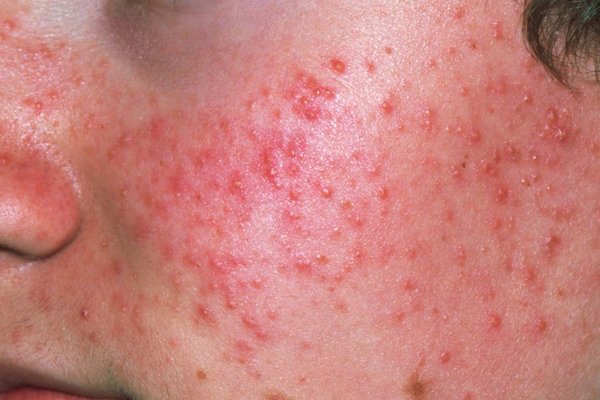
Acne, commonly known as "pimples," is a persistent skin condition that affects millions of people globally. Though often associated with adolescence, acne can affect individuals at any stage of life, from teenagers to adults well into their 30s and beyond. This condition can cause physical discomfort, emotional distress, and even leave lasting scars on one's skin and self-esteem. While conventional treatments like topical creams and antibiotics provide temporary relief, they often come with side effects and fail to address the root causes of acne.

Traditional Chinese Medicine (TCM) offers an alternative, holistic approach to treating acne. At Yang Kang Chinese Medicine, the treatment philosophy focuses on understanding acne as a manifestation of deeper internal imbalances rather than simply a skin issue. By using a combination of acupuncture, herbal remedies, cupping therapy, and dietary adjustments, TCM aims to restore balance to both the skin and the body, ultimately preventing and treating 玫瑰痤瘡 in a safe and natural way.

How Does TCM Approach Acne?

In TCM, acne is viewed as a reflection of internal disharmony. The skin, in Chinese medicine, is considered an extension of the body’s internal organs and systems. Thus, the appearance of acne may be tied to imbalances in organs such as the liver, kidneys, and digestive system. There are also connections between acne and the body’s Qi (life force energy), blood circulation, and emotional health.

1. The Role of Qi and Blood

In TCM, acne is often attributed to a stagnation of Qi and heat accumulation within the body. When Qi is obstructed or flows improperly, it can lead to an increase in heat, which then manifests as inflammation in the skin—resulting in painful, swollen pimples or cysts. Similarly, poor circulation of blood can cause the skin to be undernourished, leading to breakouts and poor skin health.

To correct this, TCM treatments focus on unblocking Qi and improving blood circulation to restore balance within the body and the skin. The goal is to calm the heat and promote smooth, balanced energy flow throughout the body, leading to clearer skin.

2. Imbalances in the Liver and Kidneys

The Liver and Kidneys are crucial organs in TCM, with the Liver regulating the smooth flow of Qi and the Kidneys responsible for nourishing the skin. If the Liver becomes overactive (often due to stress or emotional turmoil), it can lead to an excess of heat and toxins in the body, which can manifest as acne. Weak kidneys, on the other hand, can lead to dry, dull skin that is prone to breakouts.

TCM treatments often focus on calming the Liver and nourishing the Kidneys. By restoring balance to these vital organs, acne caused by hormonal fluctuations, stress, or poor circulation can be effectively addressed.

3. Excess Heat and Dampness

Another major cause of acne in TCM is excess heat and dampness within the body. Heat can be caused by poor dietary habits (like eating spicy foods, alcohol, or greasy meals) or emotional stress, leading to inflammation and breakouts. Dampness, on the other hand, is often the result of poor digestion and an overconsumption of heavy, fatty foods.

Both heat and dampness contribute to acne formation, and TCM focuses on clearing heat and draining dampness to promote healthy skin. Herbal formulas and acupuncture treatments are used to detoxify the body and improve skin health from the inside out.

How TCM Treats Acne

Yang Kang Chinese Medicine takes a multifaceted approach to treating acne by focusing on both internal health and external care. Their treatment options include a combination of acupuncture, herbal remedies, cupping therapy, and facial treatments that work in harmony to heal acne and restore skin balance.

1. Acupuncture for Acne

Acupuncture is a key component of TCM treatment for acne. By inserting very fine needles into specific acupuncture points, acupuncture helps to regulate the flow of Qi and blood in the body. Facial acupuncture is often used to target acne-related points that correspond to the liver, digestive system, and skin. Acupuncture helps to reduce inflammation, balance hormonal fluctuations, improve blood circulation, and promote overall skin health. It also provides a calming effect, reducing stress—an important trigger for acne flare-ups.

2. Herbal Medicine

Herbal medicine is central to TCM and offers an effective means of addressing the internal imbalances that contribute to acne. At Yang Kang Chinese Medicine, practitioners use customized herbal formulas based on each individual’s unique needs. Some commonly used herbs in acne treatment include dandelion root, which helps detoxify the body, pueraria root, which clears toxins, and huang lian, which cools the liver and eliminates heat.

Herbal remedies can come in various forms, such as teas, tinctures, or capsules, depending on the individual’s condition and preferences. These remedies work to support the body’s internal healing processes, balance hormones, and improve skin quality.

3. Cupping Therapy

Cupping therapy is an ancient treatment that involves creating suction on the skin using special cups. This practice stimulates blood circulation and enhances lymphatic drainage, helping the body expel toxins and improving the skin’s overall health. Cupping therapy can also relieve tension and stress, which are common acne triggers. For individuals experiencing acne due to poor circulation or stagnant Qi, cupping therapy can be highly effective in promoting healing and preventing future outbreaks.

4. Facial Steaming and Herbal Masks

Facial steaming is another popular TCM treatment for acne. It helps open the pores and allows for the release of trapped oils, dead skin cells, and impurities. The steam is infused with medicinal herbs such as chrysanthemum and mint, which have natural anti-inflammatory and antibacterial properties. This treatment helps to detoxify the skin, reduce redness, and speed up the healing process.

Additionally, herbal facial masks can be applied to further soothe and treat acne-prone skin. Ingredients like green tea, turmeric, and licorice root are commonly used in masks to reduce inflammation, kill acne-causing bacteria, and promote skin regeneration.

5. Dietary and Lifestyle Adjustments

TCM also emphasizes the role of diet and lifestyle in maintaining healthy skin. Certain foods, such as greasy, spicy, and sugary items, are believed to exacerbate acne. Yang Kang Chinese Medicine recommends a balanced diet rich in whole foods, including fresh vegetables, fruits, lean proteins, and whole grains. Avoiding dairy and high-glycemic foods may help control acne flare-ups as well.

In addition to dietary changes, stress management is an important part of TCM acne treatment. Practicing relaxation techniques such as meditation, deep breathing, and yoga can help balance the emotions and reduce the internal heat that triggers acne.

Why Choose TCM for Acne Treatment?

There are many benefits to choosing Traditional Chinese Medicine for acne treatment. These include:

  1. Holistic Healing: TCM does not merely treat the surface symptoms of acne, but rather aims to address the underlying causes, leading to more effective and lasting results.
  2. Gentle and Natural: TCM uses natural remedies that work with the body’s own healing abilities, with fewer side effects compared to pharmaceutical treatments.
  3. Customized Treatment: Every individual’s acne is unique, and TCM practitioners create personalized treatment plans that are tailored to each person’s specific needs.
  4. Prevention and Maintenance: TCM focuses not only on treating active acne but also on preventing future breakouts by restoring balance to the body’s systems.

Conclusion

Acne is a challenging condition, but Traditional Chinese Medicine offers a safe, natural, and effective way to treat and prevent it. With a focus on healing from within, TCM addresses the root causes of acne, balances internal systems, and promotes clear, healthy skin. If you are struggling with acne and are looking for a holistic alternative to conventional treatments, consider seeking the help of a skilled TCM practitioner at Yang Kang Chinese Medicine. Their expertise and personalized care can guide you on the path to clearer skin and improved overall well-being.

Leave a Reply

Your email address will not be published. Required fields are marked *

Related Post

How Insurance Credentialing Services Impact Accounts ReceivableHow Insurance Credentialing Services Impact Accounts Receivable

Medical students and doctors - Stock Image - C037/6799 - Science Photo  Library

In the healthcare industry, managing financial operations efficiently is just as important as providing quality patient care. One of the critical aspects of healthcare financial management is accounts receivable, which represents the money owed to a medical practice or healthcare facility by patients or insurance companies. Proper management of accounts receivable ensures that healthcare providers maintain a steady cash flow, avoid delays in payment, and can focus on delivering care without financial stress. A key factor that directly affects accounts receivable processes is insurance credentialing services. These services play an essential role in ensuring that healthcare providers are recognized by insurance companies, which in turn impacts timely reimbursements and overall financial health.

Understanding Accounts Receivable in Healthcare

Accounts receivable in healthcare refers to the outstanding payments that a medical practice or facility expects to receive for services provided to patients. These payments can come from patients directly or through insurance claims submitted to insurance companies. Efficient accounts receivable management involves monitoring unpaid invoices, following up on pending claims, and implementing processes to reduce delays. Without proper oversight, accounts receivable can accumulate, causing cash flow issues that affect the ability of a practice to operate effectively.

The Role of Insurance Credentialing Services

Insurance credentialing services are the processes through which healthcare providers obtain authorization from insurance companies to offer medical services to insured patients. Credentialing involves verifying a provider’s qualifications, licenses, education, work history, and professional references. This process ensures that providers meet the standards set by insurance companies, allowing them to participate in insurance networks. Without proper credentialing, providers may face claim denials, delayed reimbursements, and administrative challenges, all of which directly affect accounts receivable.

How Insurance Credentialing Improves Accounts Receivable

One of the most important ways insurance credentialing services impact accounts receivable is by enabling accurate and timely claims submission. When a provider is properly credentialed, insurance claims are less likely to be rejected due to eligibility issues. Credentialing ensures that the provider’s information matches the insurance company’s records, reducing errors in billing and avoiding unnecessary delays in payment. By preventing claim denials, practices can maintain a steady revenue flow, improving overall financial stability.

Credentialing also ensures that providers are recognized for the services they deliver, which simplifies the accounts receivable workflow. When insurance companies have verified the credentials of a provider, claim processing becomes smoother and faster. This efficiency reduces the administrative burden on medical billing teams, allowing them to focus on managing pending claims and optimizing cash flow rather than resolving credentialing issues. Efficient accounts receivable management leads to better financial planning and supports the long-term sustainability of healthcare practices.

Streamlining Revenue Cycle Through Credentialing

The connection between insurance credentialing services and accounts receivable extends to the broader revenue cycle management process. Credentialing is one of the first steps in the revenue cycle, as it determines whether a provider is authorized to bill insurance for services rendered. If this step is overlooked or delayed, it can create a bottleneck in the accounts receivable process. By ensuring that credentialing is completed promptly and accurately, healthcare providers can avoid delays in claim submission, reduce the risk of denied claims, and maintain a smooth cash flow throughout the revenue cycle.

Moreover, credentialing helps maintain compliance with insurance policies and regulatory requirements. Non-compliance or missing documentation can lead to claim rejections, affecting the accounts receivable balance. Insurance credentialing services act as a safeguard against these issues, ensuring that providers have all the necessary approvals to receive payments efficiently.

Benefits for Healthcare Providers

Healthcare providers benefit significantly from integrating insurance credentialing services with accounts receivable management. Proper credentialing reduces administrative workload, prevents financial losses from claim denials, and promotes faster reimbursements. This integration also allows billing teams to focus on optimizing financial operations rather than troubleshooting credentialing problems. Ultimately, insurance credentialing services strengthen the financial foundation of medical practices, allowing providers to deliver high-quality care while maintaining a healthy revenue stream.

Additionally, insurance credentialing services enhance relationships with insurance companies and patients. When claims are processed smoothly and payments are received on time, providers can offer a better patient experience. Patients benefit from fewer billing errors and faster claim resolutions, while insurance companies experience fewer discrepancies and administrative issues.

Conclusion

Accounts receivable management is a critical component of healthcare financial operations, and insurance credentialing services play a vital role in ensuring its efficiency. By verifying provider qualifications and maintaining compliance with insurance requirements, credentialing services streamline the claims process, reduce delays, and improve overall cash flow. For healthcare providers, integrating insurance credentialing into their accounts receivable workflow ensures timely reimbursements, reduces administrative challenges, and supports long-term financial stability. Understanding the connection between insurance credentialing services and accounts receivable is essential for any medical practice seeking to optimize revenue and maintain a healthy financial ecosystem.

Read MoreRead More

Demenzpflege Und Antrag Auf Verhinderungspflege – Worauf Sie Achten SolltenDemenzpflege Und Antrag Auf Verhinderungspflege – Worauf Sie Achten Sollten


Die Pflege von Menschen mit Demenz stellt Angehörige oft vor besondere Herausforderungen. Dabei spielt die Verhinderungspflege eine wichtige Rolle, um pausenhafte Unterstützung zu gewährleisten. Ein Antrag auf Verhinderungspflege ermöglicht es, professionelle Hilfe zeitweise zu nutzen. Doch gerade bei Menschen mit Demenz gibt es spezielle Aspekte, die beim Antrag beachtet werden sollten.

Menschen mit Demenz benötigen nicht nur körperliche, sondern vor allem auch psychische und emotionale Unterstützung. Geeignete Ersatzpflegekräfte müssen auf die speziellen Bedürfnisse von Demenzkranken geschult sein. Die Qualifikation Verhinderungspflege Antrag Ersatzpflegekraft ist ein entscheidender Punkt im Antragsprozess.

Der Verhinderungspflege Antrag wird in der Regel bei der Pflegekasse gestellt, bei der der Pflegebedürftige versichert ist. Ein Pflegegrad von mindestens 2 ist Voraussetzung, damit die Verhinderungspflege beantragt werden kann. Durch die spezielle Situation bei Demenz werden meist höhere Pflegegrade festgestellt.}

Der Antrag auf Verhinderungspflege muss mit den notwendigen Unterlagen versehen sein. Die Bestätigung des behandelnden Arztes zur Pflegebedürftigkeit ist erforderlich. Die Dokumentation des Ersatzpflegeeinsatzes ist ein zentraler Bestandteil des Antrags. Gerade bei Demenz sollte im Antrag erläutert werden, welche besonderen Pflegeleistungen erbracht werden und warum die Vertretungsperson geeignet ist.

Angehörige, die den Verhinderungspflege Antrag stellen, sollten sich im Vorfeld umfassend informieren. Beratungsstellen unterstützen bei der Antragsstellung und klären offene Fragen. Auch der Austausch mit Selbsthilfegruppen oder anderen Betroffenen kann wertvolle Tipps bringen.}

Jährlich stehen für Verhinderungspflege bis zu 1.612 Euro zur Verfügung. Diese Summe kann flexibel genutzt werden, etwa für stundenweise Betreuung oder mehrere kurze Einsätze. Für Demenzbetroffene ist es oft sinnvoll, die Pflegekräfte gut auszuwählen, um die Kontinuität und Vertrautheit zu gewährleisten.}

Ergänzend zur Verhinderungspflege kann Kurzzeitpflege in Anspruch genommen werden. Diese kann für maximal acht Wochen im Jahr genutzt werden und dient der stationären Betreuung in einem Pflegeheim oder spezialisierten Einrichtung. Eine sinnvolle Kombination von Verhinderungs- und Kurzzeitpflege erleichtert die Pflege von Demenzkranken.}

{Abschließend lässt sich sagen, dass der Verhinderungspflege Antrag für Menschen mit Demenz eine genaue Planung und Dokumentation erfordert. Eine enge Zusammenarbeit mit der Pflegekasse und anderen Unterstützungsangeboten erleichtert den Prozess. So kann die dringend benötigte Entlastung für pflegende Angehörige sicher und stressfrei gewährleistet werden.

Read MoreRead More

Herbal Cleansing Bath for Spiritual ProtectionHerbal Cleansing Bath for Spiritual Protection

Have you ever felt weighed down by negative energy or emotional turmoil? An herbal cleansing bath for spiritual protection might be just what you need. This ritual not only purifies your spirit but also enhances your clarity and awareness. By incorporating specific herbs, you can create a sacred space that fosters healing. Curious about the key ingredients and how to prepare your bath? Let’s explore the transformative power of this practice together.

Benefits of Herbal Cleansing Baths

Herbal cleansing baths offer a refreshing approach to revitalizing your spirit and enhancing your well-being. When you immerse yourself in a bath infused with natural herbs, you experience a profound sense of relaxation that soothes both body and mind.

The calming properties of the herbs can help you release stress and negativity, creating a peaceful atmosphere that fosters emotional healing.

Moreover, these baths can boost your energy levels and improve your focus, allowing you to tackle your day with renewed vigor. They also promote a deeper connection to your inner self, facilitating erva para banho espiritual growth and clarity.

Key Ingredients for Your Herbal Bath

Creating the perfect herbal bath starts with selecting the right ingredients that resonate with your intentions. Consider using sea salt for its purifying properties, which helps to cleanse your aura.

Adding rosemary can enhance protection and promote clarity, while lavender offers calming energy and spiritual peace. You might also include sage to drive away negativity and attract positivity.

For an uplifting scent, try incorporating chamomile, which can soothe your spirit. If you’re seeking grounding, think about adding cedar or sandalwood.

Lastly, don’t forget to include essential oils that align with your goals, like frankincense for spiritual connection. Each ingredient plays a crucial role in creating a bath that not only cleanses but also empowers your spirit.

Step-by-Step Guide to Preparing Your Bath

To prepare your herbal cleansing bath, gather all your chosen ingredients and set the mood for a serene experience.

Start by filling your bathtub with warm water, ensuring it’s comfortable for you. Next, take your herbs and either steep them in boiling water to create an infusion or add them directly to the bath.

If you’re using essential oils, mix a few drops with a carrier oil before adding them to the tub. As you step into the bath, visualize the negative energies leaving your body.

Light candles or incense to enhance the atmosphere and play calming music if you’d like. Stay in the bath for at least 20 minutes, allowing the herbs to work their magic and cleanse your spirit.

Conclusion

Incorporating an herbal cleansing bath into your routine can be a powerful way to protect your spirit and renew your energy. By using key ingredients like sage and rosemary, you invite clarity and healing into your life. As you soak, visualize negativity washing away, leaving you refreshed and empowered. Embrace this transformative ritual regularly, and you’ll cultivate a sanctuary of positivity and well-being, shielding yourself from external influences while enhancing your spiritual awareness.

Read MoreRead More

Jelly Jello Cubes: Low-calorie Craving Crusher That Helped Thousands Slim DownJelly Jello Cubes: Low-calorie Craving Crusher That Helped Thousands Slim Down

In the fast-paced earthly concern of slant loss trends in 2026, few things have well-tried as consistently helpful and downright pleasurable as home-baked jelly jello cubes. These soft, wobbly, low-calorie bites have become a staple for thousands trying to tame persistent cravings, eat little portions without wretchedness, and steadily slim down all while holding things simple, twopenny-halfpenny, and fun. Unlike protective diets or pricey bars, these jiggly cubes real satiation with almost no calories, turning them into one of the most virtual tools for long-term achiever Gelatin trick for weight loss.

The enigma lies in the superpowe of sound off jelly powder, a pure protein made from that costs next to nothing at any local lay in. When mixed with hot irrigate and chilled, it transforms into hone little cubes that spread out mildly in your suffer, creating a stable feeling of voluminousness that quiets starve signals for hours. This natural science gel set up, opposite with jelly’s power to further repletion hormones like GLP-1 and dial down ghrelin, helps many people of course strive for less food at meals and skip the unmindful snacking that derails so many efforts.

What sets these Jell-O cubes apart is how substantial they feel. The playful, resilient texture tricks your brain into thought process you’re pampering, while the protein content provides a becalm, slow-release vitality that keeps blood sugar stalls and cravings at bay. Thousands of real populate from busy parents in Hyderabad to post-surgery patients world-wide share stories of how popping a few cubes before tiffin, dinner, or during late-night enticement windows metamorphic everything. They account feeding noticeably little meals, losing the constant urge for sweets or salty snacks, and observation the surmount move downwards week after week, often 5 to 15 pounds over a couple of months when conjunct with staple healthy eating and get off movement.

Making your own jelly Jell-O cubes is ludicrously easy and takes just a few proceedings of active time. Here’s the low-calorie recipe that has helped so many:

Heat one cup of water until it’s hot but not boiling(boiling can countermine the gelling). Sprinkle two tablespoons of unflavored jelly powderise over the surface and stir ceaselessly for one to two transactions until it dissolves completely into a clear, smoothen liquid. For a novel twist that most people love, squeeze in the succus from half a ne lemon this adds brightly flavour, a bit of vitamin C, and helps with digestion without adding calories. If you want perceptive sweetness or variety show, a few drops of sugar-free vanilla , a- of cinnamon, or a splosh of unsweetened succus for a pink hue workings wonders. Pour the commixture into an ice cube tray, small silicone polymer molds, or a shallow dish, then refrigerate for two to three hours until to the full set.

Once set, the cubes pop out easily and put in utterly in an air-tight container in the electric refrigerator for up to a week. Grab 3 5 cubes(about 2 4 ounces tot up) 15 to 30 proceedings before your main meals or whenever cravings hit hardest. Each service usually redstem storksbill in at 20 40 calories, delivering a solidness protein hit with zero sugar, fat, or carbs to worry about.

The cubes’ versatility keeps the habit freshly. Some people make complain versions for uttermost simpleness, while others try out with herbal tea tea bases like camomile for a calming evening nosh or green tea for a conciliate metamorphosis nudge. The jiggly texture makes them feel like a regale, which is why so many stick with it longer than dry protein shakes or smooth snacks.

Beyond suppression cravings, these jelly Jell-O cubes offer supernumerary perks that keep users climax back. The high Glycine content supports deeper, more restorative sleep late material for hormone poise and fat loss. Skin often looks plumper and more hydrated over time from the advance, digestion feels gentler, and joints can even feel more comfortable. It’s a small ritual that softly improves multiple areas of health while helping create the small calorie shortage needful to slim down.

Of course, these cubes aren’t thaumaturgy. They work by qualification it easier to eat less overall, not by burning fat directly. Pair them with nutrient-dense foods, plenty of irrigate, regular walks, and good sleep out for the best results. Start with one service of process a day to let your body correct(mild bloating can materialise at first as the gel expands, but it usually passes rapidly), and always select sound off, tasteless jelly skip the sugared boxed-in Jell-O that adds unessential calories and defeats the resolve.

In 2026, when so many angle loss tools feel complex or high-priced, these low-calorie jelly Jell-O cubes stand up out for their silver dollar and strength. Thousands have ground them to be the crusher that at long last made homogenous slimming feel achievable and even pleasurable. Whip up a sight this week, keep them chilled and fix, and see how these simple, jiggly bites can help quiesce the famish noise and get you to your goals one hearty cube at a time.

Read MoreRead More

Cardiology: A Deep Dive into the Heart and Its Lifelong CareCardiology: A Deep Dive into the Heart and Its Lifelong Care

Cardiology, the branch of medicine focused on the heart and its associated diseases, plays a critical role in the diagnosis, treatment, and prevention of cardiovascular conditions. The heart, often referred to as the body’s engine, pumps blood throughout the body, ensuring that oxygen and nutrients are delivered to every cell. Its importance cannot be overstated. Heart disease remains one of the leading causes of death worldwide, making the role of cardiologists essential in maintaining and improving the heart health of populations.

The Essential Role of Cardiologists

Cardiologists are medical professionals who specialize in diagnosing, treating, and preventing heart-related issues. Their expertise ranges from managing conditions like high blood pressure and arrhythmias to more complex diseases such as coronary artery disease and heart failure. Cardiologists assess patients’ heart health through physical exams, medical imaging, laboratory tests, and patient history, helping to identify risk factors or early signs of heart disease before more severe issues develop.

The work of cardiologists extends beyond treatment; it also includes prevention. Cardiologists guide patients in lifestyle changes—such as improving diet, increasing physical activity, and quitting smoking—to prevent the onset of heart disease. Furthermore, they provide ongoing care for individuals living with chronic heart conditions, ensuring they receive appropriate treatment and lifestyle guidance to manage their health.

Understanding Heart Disease: Key Conditions

Heart disease encompasses a range of conditions that affect the structure and function of the heart. Some of the most prevalent heart conditions include:

  1. Coronary Artery Disease (CAD): This occurs when the coronary arteries, which supply blood to the heart muscle, become narrowed or blocked due to a buildup of plaque. It can lead to chest pain, shortness of breath, and even heart attacks. Managing CAD often involves medications, lifestyle changes, and, in some cases, procedures like angioplasty or coronary artery bypass surgery.

  2. Heart Failure: Heart failure is a condition where the heart can no longer pump blood efficiently, causing a buildup of fluid in the lungs and other parts of the body. Although heart failure is a chronic condition, with proper management involving medication, diet, and physical therapy, individuals can live with this condition for many years.

  3. Arrhythmias: These are abnormal heart rhythms that can cause the heart to beat too fast, too slow, or irregularly. The most common type of arrhythmia is atrial fibrillation, which can increase the risk of stroke. Treatment options include medications, lifestyle changes, or interventions like catheter ablation or pacemaker implantation.

  4. Valvular Heart Disease: This involves damage to one or more of the heart's valves, affecting how blood flows through the heart. When valves become stiff or leaky, they can cause the heart to work harder, leading to complications. Valvular heart disease may require surgery to repair or replace the faulty valve.

  5. Congenital Heart Defects: These are structural heart abnormalities present at birth. Some defects may be minor and require no treatment, while others may require surgery or long-term management. Cardiologists work closely with pediatricians and specialists to care for individuals with congenital heart defects from infancy through adulthood.

  6. Hypertension (High Blood Pressure): High blood pressure is a significant risk factor for various heart conditions, including heart attack and stroke. By managing blood pressure through medication, lifestyle modifications, and regular monitoring, individuals can reduce their risk of developing heart disease.

The Advancements in Cardiology

In recent years, significant advancements in cardiology have transformed how heart diseases are diagnosed, treated, and prevented. Some key developments include:

  1. Cardiac Imaging: Modern imaging techniques such as echocardiograms, CT scans, and MRIs provide detailed views of the heart, helping cardiologists identify structural issues, blockages, or abnormalities. Non-invasive imaging techniques allow for early detection and more accurate diagnoses, which is crucial for effective treatment.

  2. Interventional Cardiology: Interventional cardiology involves minimally invasive procedures used to treat heart conditions. For instance, angioplasty and stent placement can open blocked arteries without the need for major surgery. These advancements have drastically reduced recovery times and improved outcomes for many patients.

  3. Robotic-Assisted Surgery: The introduction of robotic technology in heart surgeries has revolutionized how procedures are performed. Robotic-assisted surgery allows for more precise, minimally invasive operations, leading to faster recovery times and less pain for patients. Surgeons use robotic systems to perform delicate surgeries such as valve repairs or coronary bypasses with improved accuracy.

  4. Artificial Intelligence (AI) and Machine Learning: AI has begun to play an increasingly important role in cardiology. AI algorithms can analyze medical images, ECGs, and patient data to detect patterns, predict outcomes, and help cardiologists make more accurate diagnoses. These advancements promise to improve efficiency and precision in the diagnosis and treatment of heart diseases.

  5. Wearable Technology: The rise of wearable devices, such as smartwatches and heart monitors, has empowered patients to actively track their heart health. These devices can monitor heart rate, detect irregular rhythms, and alert patients or healthcare providers to any concerning changes, allowing for early intervention.

  6. Gene Therapy and Regenerative Medicine: Emerging research into gene therapy and stem cell treatments holds promise for repairing damaged heart tissue or even preventing heart disease at the genetic level. While still in the experimental stages, these cutting-edge treatments have the potential to transform cardiology in the future.

Preventing Heart Disease: A Focus on Lifestyle

A major aspect of cardiology is prevention. Cardiologists emphasize the importance of lifestyle changes to reduce the risk of heart disease. Some key preventive measures include:

  • Regular Physical Activity: Exercise is vital for maintaining a healthy heart. Cardiologists recommend engaging in at least 150 minutes of moderate-intensity aerobic exercise per week to strengthen the heart, improve circulation, and lower blood pressure.

  • Healthy Diet: A diet rich in fruits, vegetables, whole grains, and healthy fats can reduce the risk of heart disease. Limiting processed foods, salt, and unhealthy fats can also help keep cholesterol levels in check and maintain a healthy weight.

  • Avoiding Smoking: Smoking is a leading cause of heart disease. Cardiologists strongly encourage individuals to quit smoking, as it significantly increases the risk of coronary artery disease, heart attacks, and stroke.

  • Weight Management: Maintaining a healthy weight is crucial for heart health. Excess weight puts added stress on the heart and increases the risk of conditions like high blood pressure and diabetes, which are linked to heart disease.

  • Managing Stress: Chronic stress can have a negative impact on the heart. Cardiologists recommend stress management techniques such as meditation, deep breathing exercises, or yoga to reduce the risk of heart problems.

  • Regular Checkups: Regular visits to a healthcare provider help identify potential risk factors such as high blood pressure, high cholesterol, or diabetes. Early detection and intervention can prevent or manage heart disease more effectively.

The Future of Cardiology

The future of cardiology looks promising, with groundbreaking developments in genetics, personalized medicine, and technology. The integration of AI into diagnostic tools, the rise of non-invasive treatments, and the potential for gene therapy all point to an era where heart disease could be detected and treated earlier than ever before. Additionally, cardiologists are focusing on improving patient outcomes and quality of life, using personalized treatment plans tailored to each individual’s unique genetic makeup and lifestyle.

Conclusion

Cardiology is a dynamic and essential field that is continuously evolving to meet the needs of patients with heart disease. With ongoing advancements in medical technology, treatment options, and preventive care, cardiologists are better equipped than ever to manage heart health. By emphasizing prevention and early intervention, cardiology can help reduce the burden of heart disease and improve the lives of individuals worldwide. As we continue to learn more about the heart and its functions, the future of 心臟病 holds tremendous potential to transform heart care for generations to come.

Read MoreRead More