
Choosing the right kitchen tools is an important part of creating a comfortable, organized, and efficient cooking space. Whether you prepare simple meals every day or enjoy experimenting with new recipes, good-quality utensils can make cooking easier and more enjoyable. With so many materials, designs, sizes, and styles available, selecting the right products requires careful consideration. Prestige kitchen utensils are worth considering when looking for practical kitchen tools that combine functionality, durability, and attractive designs.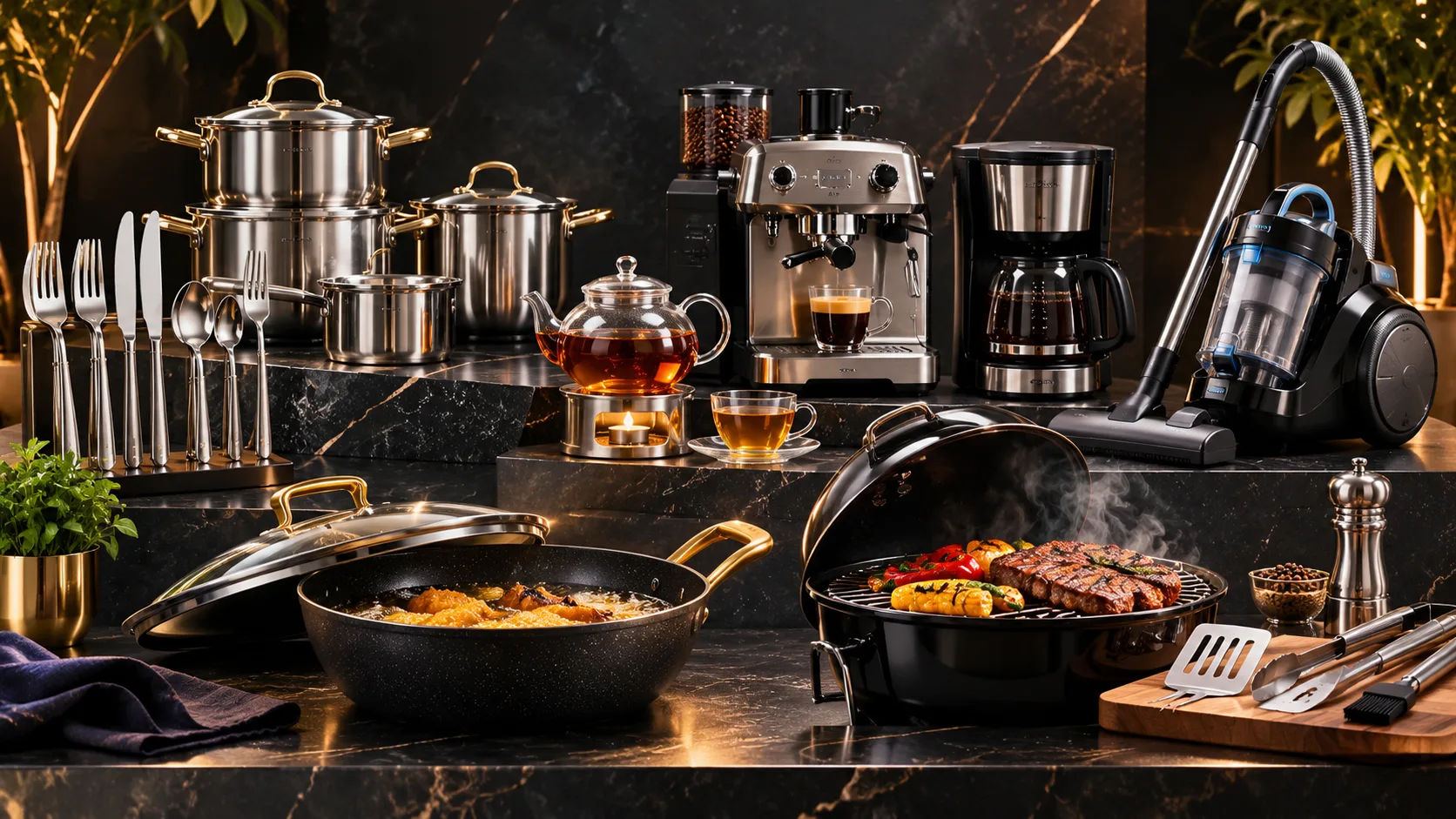
Kitchen utensils are used for different cooking activities, including stirring, mixing, frying, boiling, serving, and preparing ingredients. Every utensil has a particular purpose, so buying products without understanding their uses can lead to unnecessary expenses. A well-planned selection helps you organize your kitchen and ensures that you have the right equipment whenever you need it.
In the centre of your buying decision, you should focus on quality, material, comfort, safety, and long-term value. Prestige kitchen utensils can be selected according to your cooking habits, kitchen requirements, and personal preferences. Instead of choosing products simply because they look attractive, consider how often you will use them and whether they can handle your regular cooking activities.
This comprehensive guide explains how to choose suitable kitchen utensils, what features to examine, which materials are worth considering, and how to maintain your purchases. By understanding these factors, you can make informed decisions and build a practical kitchen collection that supports your everyday cooking needs.
Your Kitchen Requirements
Prestige kitchen utensils kitchen equipment, consider the type of cooking you usually do. Every household has different cooking habits, and the utensils required by one family may not be necessary for another.
For example, someone who regularly prepares traditional meals may need strong stirring spoons, cooking pots, frying tools, and serving utensils. Someone who enjoys baking may require mixing tools, measuring spoons, spatulas, and other specialized equipment.
Understanding your requirements helps you avoid buying unnecessary products.
Consider Your Daily Cooking Routine
Think about the meals you prepare most frequently. If you cook vegetables, rice, meat, and curries regularly, prioritize utensils that support these activities.
If you prepare breakfast every morning, you may need frying spatulas, mixing bowls, and serving spoons. For people who frequently prepare soups and sauces, ladles and heat-resistant spoons are useful.
Make a list of the utensils you use every day. This will help you identify which products deserve the most attention when shopping.
Identify Missing Kitchen Tools
Take some time to inspect your existing kitchen collection. You may already have several useful utensils but lack certain essential items.
Check whether your current tools are damaged, uncomfortable, or difficult to clean. Replace products that no longer perform properly.
This approach helps you spend your money wisely while gradually improving your kitchen equipment.
2. Choose High-Quality Materials
Material quality is one of the most important factors when selecting cooking utensils. Different materials offer different advantages, and each one is suitable for particular cooking requirements.
When comparing Prestige kitchen utensils, examine the material carefully to understand its durability, heat resistance, cleaning requirements, and compatibility with your cookware.
Stainless Steel Utensils
A practical option for everyday kitchen tasks
Stainless steel is widely used for kitchen utensils because it is strong, durable, and relatively easy to maintain.
These utensils are suitable for stirring, serving, mixing, and preparing various ingredients. They generally resist rust and corrosion when made from appropriate grades and maintained properly.
Stainless steel tools can also handle regular kitchen use without easily bending or breaking.
However, avoid using metal utensils on non-stick cookware because they may scratch the protective coating.
Silicone Utensils
Silicone utensils are popular because they are flexible and generally resistant to high cooking temperatures when designed for kitchen use.
They are particularly useful for stirring sauces, mixing ingredients, scraping bowls, and preparing delicate foods.
Silicone spatulas are helpful when working with non-stick cookware because their softer surfaces are less likely to damage coatings.
When purchasing silicone products, check their stated temperature limits and look for food-contact safety information.
Wooden Utensils
Wooden spoons and spatulas offer a traditional appearance and are useful for everyday cooking.
They are gentle on non-stick surfaces and do not become hot as quickly as metal utensils during normal use.
However, wood requires careful cleaning and thorough drying. Avoid leaving wooden tools soaking in water because prolonged moisture can cause cracking, swelling, or deterioration.
Plastic Utensils
Food-grade plastic utensils are generally affordable and lightweight.
They can be useful for serving, mixing, and handling foods that do not require high temperatures.
However, not every plastic utensil is suitable for hot cooking. Always check the manufacturer's temperature recommendations before using plastic tools near heat.
3. Check Durability and Construction Quality
A good kitchen utensil should be strong enough to handle regular use. Durability is especially important for tools that experience pressure, heat, or repeated movement.
Poorly constructed products may bend, crack, lose their shape, or develop damaged handles.
Examine the Overall Construction
Before purchasing, inspect the product carefully.
Look for smooth surfaces, secure joints, and properly finished edges. The utensil should not have sharp sections, loose components, or visible manufacturing defects.
If you are buying a spoon or spatula, check whether the handle is firmly attached to the working end.
A strong connection reduces the possibility of breakage during regular cooking.
Consider Long-Term Performance
The cheapest option is not always the most economical choice.
A low-quality utensil may need frequent replacement, while a well-made product can provide better value over time.
Consider how often you will use each item and select an appropriate quality level.
For frequently used tools, durability should be a major priority.
4. Select Comfortable and Practical Designs
The design of a kitchen utensil affects how easily you can use it.
Even a durable product may become inconvenient if its handle is uncomfortable or its shape does not suit the cooking task.
When exploring Prestige kitchen utensils, consider both appearance and practical functionality.
Look for Comfortable Handles
Handles should fit comfortably in your hands and provide a secure grip.
A handle that is too narrow may become uncomfortable during extended cooking. Similarly, an excessively thick handle may be difficult to control.
Some products include textured or non-slip surfaces to improve handling.
If possible, hold the utensil before buying it to determine whether it feels balanced and comfortable.
Choose Useful Shapes and Sizes
Different cooking activities require different utensil shapes.
For example:
-
A flat spatula is useful for turning pancakes and frying ingredients.
-
A deep ladle is suitable for serving soups and gravies.
-
A slotted spoon helps remove food while allowing liquids to drain.
-
A whisk is useful for mixing eggs, cream, and sauces.
-
A flexible spatula helps scrape ingredients from mixing bowls.
Choosing the correct shape makes cooking easier and reduces unnecessary effort.
5. Consider Heat Resistance
Heat resistance is essential when selecting utensils that will be used during cooking.
Different materials tolerate different temperature levels. Using a utensil beyond its recommended temperature range can cause damage, deformation, or other safety concerns.
Check Temperature Ratings
Always examine the manufacturer's instructions for heat-resistant products.
Silicone utensils may tolerate relatively high temperatures, but their maximum limits vary by product.
Wooden utensils are generally suitable for ordinary cooking, although prolonged exposure to direct flames or excessive heat can damage them.
Plastic utensils should only be used within their stated temperature limits.
Match Utensils With Your Cooking Methods
Consider how you prepare food before choosing heat-resistant products.
If you regularly prepare fried dishes, choose utensils specifically designed for high-temperature cooking.
For soups, sauces, and boiling foods, select tools with suitable heat resistance and comfortable handles.
Never leave a utensil resting against a hot pan for longer than its instructions allow.
6. Check Compatibility With Your Cookware
One common mistake when purchasing kitchen tools is ignoring cookware compatibility.
Not every utensil is suitable for every cooking surface. Selecting an unsuitable product may damage expensive pots and pans.
Non-Stick Cookware
Non-stick pans have protective coatings that can become scratched by rough or sharp utensils.
Silicone, wood, and suitable heat-resistant nylon tools are generally better choices for these surfaces.
Avoid using sharp metal spoons, forks, or spatulas unless the cookware manufacturer specifically confirms compatibility.
Stainless Steel Cookware
Stainless steel cookware is generally more resistant to scratching than non-stick surfaces.
Metal utensils can often be used with stainless steel pans, although rough handling may still cause surface marks.
Choose tools according to the cookware manufacturer's recommendations.
Cast-Iron Cookware
Cast-iron pans are durable and can accommodate many types of utensils.
Wooden, silicone, and metal tools may all be suitable, depending on the cooking activity.
However, pay attention to the condition of the seasoning layer and avoid unnecessary damage.
7. Select Essential Kitchen Utensils First
Building a useful kitchen collection does not mean purchasing every available product.
Start with essential tools that support your everyday cooking activities. You can add specialized products later when your requirements become clearer.
Cooking Spoons and Spatulas
Cooking spoons and spatulas are among the most frequently used kitchen tools.
They help stir ingredients, turn food, mix sauces, and serve prepared dishes.
Consider buying different shapes for different purposes. A long-handled spoon is useful for deeper cooking pots, while a flat spatula works well for frying.
Ladles and Serving Spoons
Ladles are useful for transferring soups, gravies, and other liquid dishes.
Serving spoons help distribute vegetables, rice, and other prepared foods.
Choose sizes that match the serving dishes you normally use.
Whisks and Mixing Tools
Whisks are useful for combining ingredients and creating smooth mixtures.
They are commonly used for eggs, sauces, batters, and cream.
A comfortable handle and appropriately sized whisk head make preparation easier.
Measuring Spoons and Cups
Accurate measurements are important when following recipes.
Measuring spoons and cups help you control ingredient quantities, especially when preparing baked goods and desserts.
Choose clearly marked products that are easy to read and clean.
8. Evaluate Cleaning and Maintenance Requirements
Kitchen utensils come into contact with food, oils, sauces, and other ingredients every day.
Therefore, cleaning convenience should be an important part of your purchasing decision.
A utensil that is difficult to clean may become inconvenient and could develop unpleasant odors or residue if not maintained properly.
Choose Easy-to-Clean Designs
Smooth surfaces are generally easier to clean than products with complicated grooves and unnecessary joints.
Look for utensils that do not trap food particles around their handles or connecting sections.
Products with simple designs can save cleaning time.
Check Dishwasher Compatibility
Some kitchen utensils are dishwasher-safe, while others require handwashing.
Stainless steel products are often dishwasher-safe, depending on their construction.
Wooden tools generally require handwashing, while silicone and plastic products should only be placed in a dishwasher when the manufacturer permits it.
Always follow the care instructions to prevent premature damage.
Dry Utensils Properly
After washing, allow utensils to dry completely before storing them.
This is particularly important for wooden products and utensils with detachable or joined components.
Proper drying helps prevent unpleasant odors, moisture damage, and hygiene problems.
9. Consider Storage and Kitchen Organization
Storage is another important factor that should not be overlooked.
A kitchen can become crowded when utensils are purchased without considering where they will be kept.
A well-organized storage arrangement makes cooking more convenient and helps protect your equipment.
Use Appropriate Storage Containers
Utensil holders can keep frequently used spoons, spatulas, and other tools within easy reach.
Choose a holder with enough space to prevent utensils from becoming overcrowded.
Clean the holder regularly because food residue and moisture can collect at the bottom.
Consider Hanging Storage
Some kitchen tools include hanging holes or hooks.
These products can be stored on suitable wall-mounted racks, saving drawer space.
However, ensure that hanging utensils remain away from direct heat and cooking splashes.
Organize According to Usage
Keep frequently used tools in accessible locations.
Less frequently used products can be stored in drawers or cabinets.
Separating cooking utensils from serving tools can also make your kitchen easier to manage.
10. Compare Prices and Overall Value
Price is an important consideration when purchasing kitchen equipment, but it should not be the only deciding factor.
Some products may have attractive prices but lack durability or practical features.
Others may cost more because of their material, construction, or specialized design.
Set a Realistic Budget
Before shopping, decide how much you want to spend.
Divide your budget according to your priorities. Frequently used cooking tools deserve more attention than specialized products that you rarely need.
You do not have to purchase everything at once.
Building your kitchen collection gradually can help you manage expenses.
Compare Similar Products
Compare products with similar materials, sizes, and intended uses.
Check whether the price includes a complete set or only individual pieces.
Also consider warranty information, replacement availability, and cleaning requirements.
A slightly more expensive product may provide better value if it offers stronger construction and longer-lasting performance.
Avoid Paying Only for Appearance
Attractive designs can make a kitchen look modern, but appearance should not replace functionality.
A utensil should perform its intended task comfortably and safely.
Choose products that combine practical features with a design that matches your kitchen.
11. Check Brand Reputation and Product Information
Before purchasing Prestige kitchen utensils, take time to understand the product details and the manufacturer's information.
A recognized brand name can help you identify a product range, but you should still evaluate each individual item.
Read Product Specifications
Check the material, dimensions, weight, temperature limits, and care instructions.
These details help you determine whether the utensil is appropriate for your requirements.
Do not assume that every product within a particular brand range has identical features.
Examine Customer Feedback
Customer reviews can provide useful information about everyday product performance.
Look for comments about handle comfort, durability, cleaning, and material quality.
Pay attention to repeated complaints rather than relying on one extremely positive or negative review.
Purchase From Reliable Sellers
Buy from reputable retailers that provide clear product descriptions and appropriate return policies.
Check packaging, product condition, and any available authenticity information.
This can help reduce the risk of purchasing damaged or incorrectly described items.
12. Avoid Common Mistakes When Buying Kitchen Utensils
Understanding common purchasing mistakes can help you make better decisions.
Many people buy kitchen equipment based on appearance, temporary discounts, or unnecessary features.
Avoiding these mistakes can save money and improve your cooking experience.
Buying Too Many Unnecessary Products
A large utensil collection does not automatically make a kitchen more efficient.
Purchasing several tools with almost identical purposes can create unnecessary clutter.
Focus on essential items first and add specialized tools only when required.
Ignoring Material Safety
Never assume that every utensil is suitable for food preparation.
Choose products intended for food contact and check their safety and temperature information.
Avoid utensils with damaged surfaces, peeling coatings, or poorly finished components.
Choosing the Wrong Size
A utensil that is too small may not work effectively with large cooking pots.
Similarly, oversized tools can become difficult to control when preparing small portions.
Consider the size of your cookware and typical serving requirements before purchasing.
Ignoring Maintenance Instructions
Even high-quality utensils can deteriorate when cleaned or stored incorrectly.
Read the care instructions and follow the recommended cleaning methods.
Proper maintenance helps preserve their appearance and functionality.
13. Tips for Maintaining Your Kitchen Utensils
After purchasing suitable kitchen equipment, regular maintenance will help extend its useful life.
Good maintenance also supports a cleaner and more organized cooking environment.
Clean Utensils Immediately After Use
Wash utensils soon after cooking whenever practical.
Removing food residue before it dries makes cleaning easier.
Use appropriate dishwashing products and avoid abrasive materials on delicate surfaces.
Inspect Products Regularly
Check utensils for cracks, loose handles, corrosion, and damaged surfaces.
Replace products that become unsafe or unsuitable for food preparation.
Pay particular attention to silicone and plastic tools that show signs of deterioration.
Store Different Materials Correctly
Keep wooden utensils dry and away from prolonged moisture.
Avoid placing heavy equipment on delicate silicone products because excessive pressure can affect their shape.
Store metal utensils carefully to prevent unnecessary scratching and damage.
Follow Manufacturer Recommendations
Every product may have different care requirements.
Follow the manufacturer's guidance for washing, drying, temperature exposure, and storage.
This simple habit can help maintain product quality for longer.
14. How to Make the Best Final Buying Decision
After comparing materials, construction, comfort, and prices, you should have a clearer understanding of which products suit your needs.
The best approach is to evaluate every purchase according to its intended purpose.
Start by selecting essential tools that you will use regularly. Give priority to comfortable handles, reliable materials, and suitable heat resistance.
Next, check whether the products work with your existing cookware. This is particularly important if you use non-stick pans or specialized cooking equipment.
When considering Prestige kitchen utensils, examine individual product specifications rather than assuming that all products offer the same performance.
Think about maintenance as well. Products that are easy to clean and store can make daily kitchen activities more convenient.
Finally, compare prices and purchase from reliable sellers. A sensible buying decision should balance quality, functionality, safety, and affordability.
Conclusion
Choosing the right kitchen equipment is an important step toward creating a functional and comfortable cooking environment. The best utensils are not necessarily the most expensive or attractive products. Instead, they are the ones that meet your everyday requirements, provide dependable performance, and remain convenient to use over time.
Before purchasing, consider your cooking habits and identify the tools you genuinely need. Material quality should be one of your main priorities because stainless steel, silicone, wood, and food-grade plastic all offer different advantages. Selecting the appropriate material can improve cooking convenience and help protect your cookware.
You should also examine construction quality, handle comfort, heat resistance, and product dimensions. These features influence how effectively you can use your utensils during everyday meal preparation. Compatibility with your cookware is equally important, especially when working with non-stick surfaces.
When comparing Prestige kitchen utensils, pay attention to individual product specifications, cleaning requirements, storage convenience, and overall value. Read customer feedback where available and purchase from reliable sellers to make more confident decisions.
Remember that a practical kitchen does not need an excessive number of tools. A carefully selected collection of essential utensils can support a wide variety of cooking activities without creating unnecessary clutter.
Regular cleaning, proper drying, and suitable storage will also help maintain your products. By following these guidelines, you can select kitchen utensils that make cooking easier, improve organization, and provide lasting usefulness.
Ultimately, the right purchasing decision comes from balancing quality, comfort, safety, and affordability. Take your time, compare your options, and choose products that genuinely improve your everyday cooking experience.
About the Author