
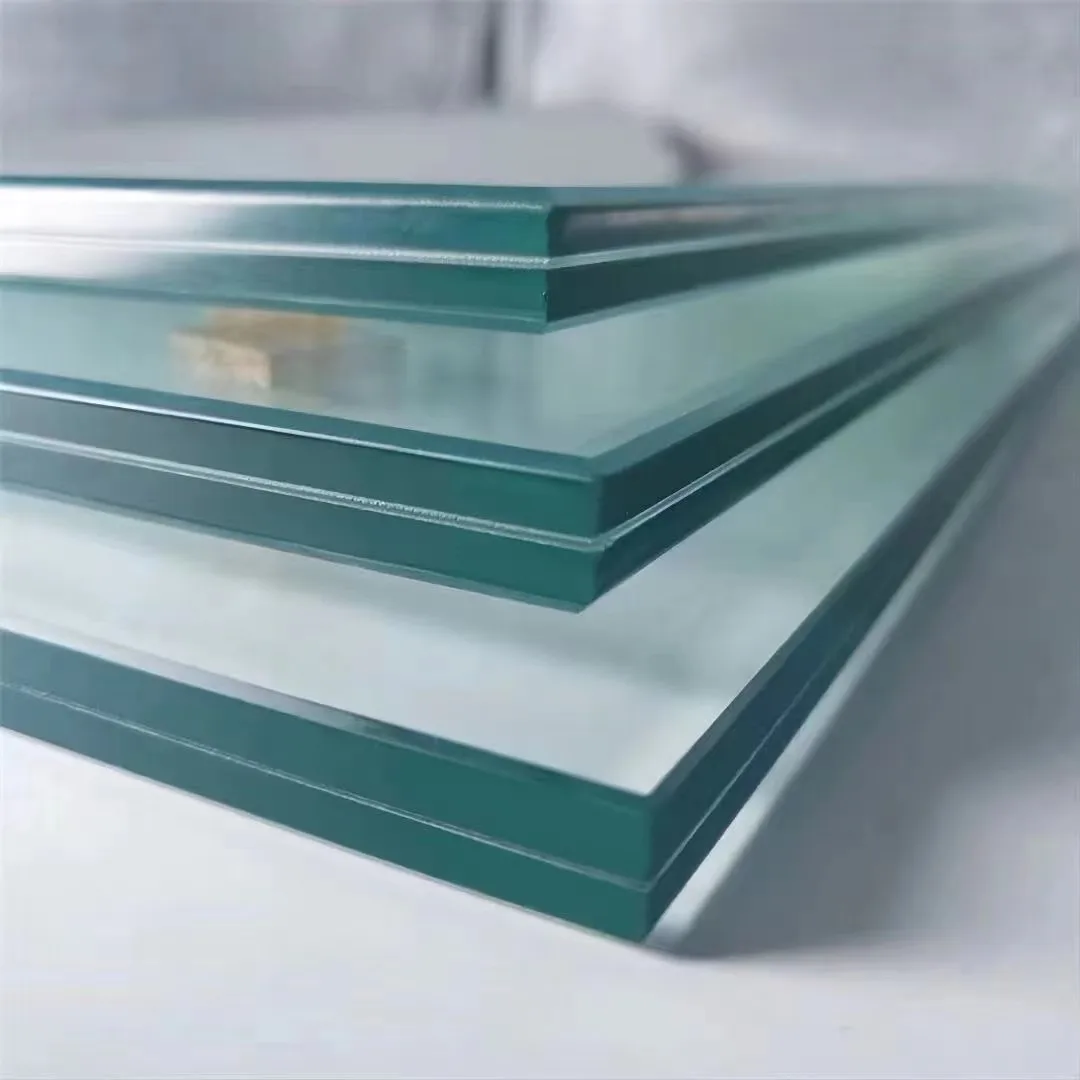
Glass, a material often associated with transparency and fragility, has evolved dramatically in recent years, emerging as a versatile, high-performance solution across multiple industries. From architecture to automotive, healthcare to technology, innovative ice cream cup are revolutionizing applications, driving efficiency, sustainability, and creativity. In 2025, advancements in glass technology are playing a central role in shaping the future of various sectors, offering new possibilities for both functionality and design.
The Evolution of Glass Technology
Historically, glass has been used primarily for windows and containers. However, recent innovations in glass manufacturing, such as smart glass, laminated glass, and high-performance coatings, have expanded its potential beyond simple structural applications. Modern glass is now a key player in many industries, serving as a material that combines beauty, strength, and functionality.
Smart glass, which can change its properties in response to environmental conditions (like light or heat), is a prime example of this transformation. By adjusting transparency or tint, smart glass can enhance energy efficiency, privacy, and comfort in various settings, from office buildings to vehicles. As a result, it’s revolutionizing the way we think about glass in architectural and automotive design.
Architecture and Construction
In the world of architecture and construction, glass is no longer just a decorative or functional element. Today, it's a dynamic, energy-efficient material that contributes significantly to the sustainability of buildings. One of the most remarkable advancements in this field is the development of energy-efficient glass. These high-performance windows can regulate heat and light, minimizing the need for artificial climate control, and thus reducing energy consumption.
Additionally, innovations like self-cleaning glass and glass with integrated photovoltaic cells (solar glass) are pushing boundaries in sustainability. Self-cleaning glass uses a special coating that uses sunlight to break down dirt and grime, making maintenance easier and reducing the need for harsh chemicals. Solar glass, which integrates solar panels into the structure of the glass, allows buildings to generate their own electricity while still offering the transparency and aesthetic appeal of traditional glass.
Automotive and Transportation
The automotive industry has also embraced the potential of innovative glass. In addition to offering safety and visibility, glass is now being designed to enhance the driving experience. Heat-reflective glass, which minimizes heat absorption, and noise-reducing laminated glass are becoming standard features in modern vehicles, improving both comfort and fuel efficiency.
Moreover, with the rise of electric vehicles (EVs), glass is playing a crucial role in the development of lightweight, energy-efficient vehicles. Lighter, stronger glass materials contribute to reducing the overall weight of the vehicle, improving fuel efficiency and range. Further, with the introduction of augmented reality (AR) dashboards and heads-up displays, automotive glass is evolving to include interactive, transparent interfaces that provide real-time data to drivers without distracting them from the road.
Healthcare and Technology
In healthcare, innovative glass solutions are making a profound impact. Glass is increasingly used in medical devices, from diagnostic equipment to surgical tools, because of its non-reactive and durable properties. Glass used in optical instruments and lab equipment ensures precision and reliability.
Moreover, glass is finding applications in consumer electronics, particularly in the form of touchscreens, displays, and sensors. The continuous advancement of flexible and durable glass materials has enabled the creation of more compact and efficient devices, driving the development of smartphones, wearables, and smart home technology. Innovations like bendable glass and ultra-thin displays are paving the way for more sophisticated, compact, and durable consumer electronics, offering users a seamless experience.
The Future of Glass Solutions
Looking ahead, the potential for innovative glass solutions seems limitless. As industries continue to push for greater sustainability, efficiency, and functionality, glass will continue to evolve to meet these needs. The development of smart materials and interactive surfaces suggests a future where glass does much more than just let in light—it will actively contribute to energy generation, data processing, and even enhance human experiences.
In conclusion, glass solutions are playing a revolutionary role across industries, transforming everything from architecture to healthcare, automotive design to technology. The continued innovation in glass technology is not only improving the performance and sustainability of products but is also enabling new, cutting-edge applications that were once considered unimaginable. As we move further into 2025, the possibilities for glass are only expanding, ensuring that this material remains at the forefront of industrial evolution.
About the Author