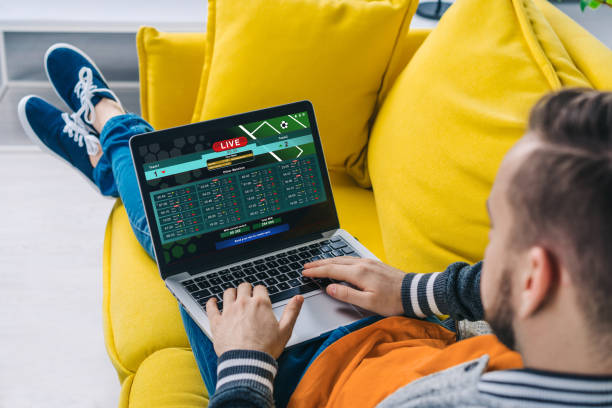
Gambling, for many, is a source of entertainment, mixer fundamental interaction, and infrequent excitement. Yet, for some individuals, what begins as harmless fun spirals into a compulsive and iconoclastic demeanour known as gaming dependency. This , often titled compulsive gaming or gambling perturb, affects millions worldwide and poses considerable challenges to mental health, finances, and relationships. Understanding the nature of play dependence and the pathways to recovery is essential for individuals, families, and bon ton at big. This clause offers a deep dive into play dependency its causes, symptoms, and the road to healthful.
What Is Gambling Addiction?
Gambling dependence is characterised by an uncontrollable urge to adventure despite toxic consequences. Unlike unplanned gaming, compulsive gambling is a behavioural addiction noticeable by an inability to stop or verify gambling activities. It shares similarities with subject matter dependency, involving changes in psyche interpersonal chemistry and demeanor.
People with gambling habituation often furrow losses, take chances with accretionary amounts of money, and go through anxiousness or uneasiness when ineffective to chance. The disorder can lead to intense fiscal problems, valid issues, disreputable relationships, and mental wellness concerns such as depression and anxiety.
Causes and Risk Factors
The development of play dependence is influenced by a combination of psychological, biological, and environmental factors. Key contributors admit:
- Genetic predisposition: Studies advise that sequence factors may step-up vulnerability to addiction by poignant the brain s reward pathways.
Brain interpersonal chemistry: Dopamine, the neurotransmitter associated with pleasure and reward, plays a considerable role. Gambling stimulates Dopastat unfreeze, creating feelings of euphoria that can reward compulsive demeanour.
Personality traits: Traits such as impulsivity, sentiency-seeking, and difficulty managing try are connected to high dependance risk.
Environmental influences: Accessibility to gambling, exposure to gaming publicizing, sociable acceptance, and nerve-racking life events can touch off or aggravate habit-forming behaviors.
Mental health disorders: Co-occurring conditions such as slump, anxiety, or content pervert often follow gaming habituation, complicating handling.
Signs and Symptoms of Gambling Addiction
Recognizing gambling addiction early is material for operational interference. Common signs admit:
- Preoccupation with play and constantly mentation about past or futurity bets.
Needing to hazard with larger amounts to achieve excitement.
Repeated failed attempts to cut back or stop gambling.
Using toto 4d to fly the coop from problems or unbosom feelings of helplessness.
Lying to crime syndicate or friends to conceal gaming activities.
Jeopardizing relationships, jobs, or business enterprise stableness due to gambling.
Experiencing withdrawal symptoms such as biliousness or queasiness when not gaming.
The Impact of Gambling Addiction
The consequences of play habituation extend far beyond fiscal loss. Addicted individuals may face:
- Financial ruin: Accumulating debts, failure, or under-the-counter activities to fund gaming.
Emotional distress: Depression, anxiety, guilt feelings, and dishonor are common.
Relationship breakdowns: Trust issues, conflicts, and syndicate disaffection.
Health problems: Stress-related illnesses and, in wicked cases, self-destructive thoughts or actions.
Work-related difficulties: Reduced productivity, absenteeism, or job loss.
Pathways to Recovery
Recovery from gambling dependency is thought-provoking but doable with the right subscribe and treatment. Key components admit:
- Acknowledgment and motivation: Recognizing the trouble and committing to transfer is the first vital step.
Therapy and counselling: Cognitive-behavioral therapy(CBT) is wide used to help individuals identify triggers, train header skills, and transfer deadly cerebration patterns. Other therapies include psychological feature interviewing and crime syndicate therapy.
Support groups: Peer-led groups like Gamblers Anonymous cater community, accountability, and shared experiences, which are life-sustaining for long-term retrieval.
Medication: In some cases, medications such as antidepressants or mood stabilizers may be formal to turn to subjacent unhealthy wellness conditions.
Financial counselling: Managing debts and establishing healthy fiscal habits is material for rebuilding stableness.
Lifestyle changes: Developing new hobbies, strengthening mixer networks, and avoiding play environments tighten lapse risk.
The Role of Society and Policy
Addressing gambling dependency requires matching efforts at somebody, community, and insurance policy levels. Governments and organizations are implementing causative gambling measures such as self-exclusion programs, card-playing limits, and world sentience campaigns. Regulating publicizing and constraining access for vulnerable populations are also significant.
Education and early on intervention can help keep addiction, while raising funding for handling services ensures that help is available for those in need.
Conclusion
Gambling habituation is a complex and serious disquiet that affects not only individuals but also families and communities. While the odds may seem well-stacked against those caught in its grip, retrieval is possible through awareness, subscribe, and operational handling. Understanding the nature of gaming habituation and promoting condole with responses can help wear the cycle of compulsion and pave the way toward a fitter, more balanced life. For those dependant to the odds, hope lies in the world power to transfer, repossess verify, and find fulfillment beyond the gamble
About the Author