Jixit Mobile Home & Kitchen Ideas Mid Century Modern Kitchen Cabinets Iconic Designs That Stand the Test of Time

Mid Century Modern Kitchen Cabinets Iconic Designs That Stand the Test of Time

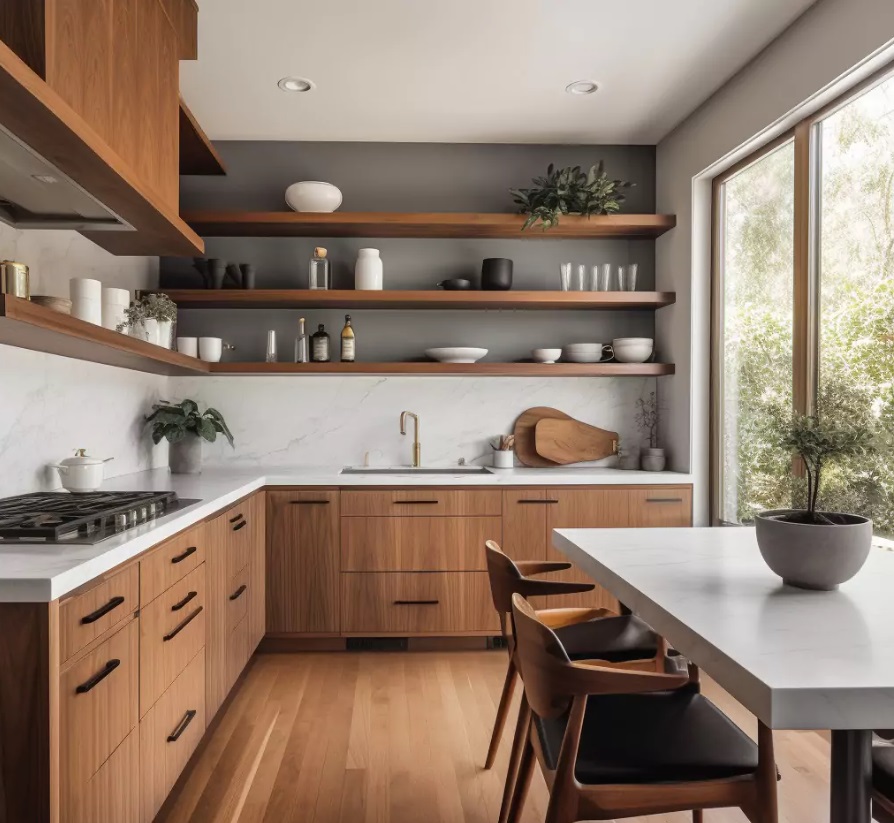
A kitchen with wood cabinets and shelves Description automatically generated

Mid century modern kitchen cabinets have remained a popular choice for homeowners and designers alike, thanks to their sleek lines, functional design, and timeless appeal. This iconic style, which emerged in the mid-20th century, continues to influence contemporary interiors, offering a perfect blend of simplicity and sophistication. Whether you’re remodeling your kitchen or simply looking for inspiration, mid century modern kitchen cabinets can elevate your space with their classic yet fresh aesthetic.

1. What Defines Mid Century Modern Kitchen Cabinets?

Clean lines, organic shapes, and a focus on functionality characterize mid century modern design. Kitchen cabinets that embrace this style often feature:

  • Minimalist Design: Simple, unadorned cabinetry with flat-panel doors and sleek hardware.

  • Natural Materials: Wood veneers, teak, walnut, and oak are commonly used to bring warmth and texture.

  • Bold Colors: While natural wood tones are prevalent, pops of color such as mustard yellow, turquoise, and avocado green were popular in the era.

  • Geometric Patterns: Subtle patterns and textures add visual interest without overwhelming the space.

  • Streamlined Hardware: Knobs and pulls are often understated, with sleek metallic or wooden finishes.

2. Why Mid Century Modern Kitchen Cabinets Stand the Test of Time

There are several reasons why mid century modern cabinets have maintained their popularity for decades:

Timeless Aesthetic

The simplicity and elegance of mid century modern design ensure that it never looks outdated. The clean lines and uncluttered appearance make it a perfect fit for both traditional and contemporary homes.

Versatile Appeal

Mid century modern cabinets work well with a variety of kitchen styles. Whether paired with retro appliances for a vintage feel or combined with modern finishes for a contemporary twist, they offer incredible versatility.

Functional Design

With a focus on practicality, these cabinets offer ample storage without compromising on style. Features such as open shelving, built-in organizers, and efficient layouts contribute to an organized and stylish kitchen.

3. Key Design Elements of Mid Century Modern Cabinets

To achieve an authentic mid century modern look in your kitchen, consider incorporating the following design elements:

Flat-Panel Doors

Flat-panel, also known as slab doors, are a hallmark of mid century modern cabinetry. They provide a sleek, streamlined look that enhances the minimalist appeal of the style.

Wood Grain Finishes

Natural wood finishes, such as walnut and oak, add warmth and depth to your kitchen. Opting for wood veneer or laminate with visible grain patterns can capture the authentic feel of the era.

Open Shelving

A signature feature of mid century modern kitchens is open shelving. It allows you to display dishware, cookbooks, and decorative pieces, adding personality and practicality.

Bold Accent Colors

Incorporating vibrant colors like teal, mustard, or burnt orange can help recreate the nostalgic charm of the 1950s and 60s while adding a contemporary touch.

Vintage-Inspired Hardware

Choose simple, streamlined handles and pulls in materials like brushed nickel, brass, or wood to maintain an authentic mid century look.

4. How to Incorporate Mid Century Modern Cabinets into Your Kitchen

Whether you’re undertaking a full renovation or just looking to introduce mid century elements, here are a few ways to incorporate this timeless style into your kitchen:

Pair with Retro Appliances

Complement your cabinets with vintage-style appliances in pastel colors or stainless steel to enhance the mid century vibe.

Add Statement Lighting

Pendant lights with geometric or atomic designs can serve as striking focal points while reinforcing the era’s aesthetic.

Mix Materials

Combine wood cabinetry with quartz or terrazzo countertops to achieve a balanced and cohesive look.

Use Mid Century Decor

Accessorize your kitchen with mid century-inspired decor such as geometric-patterned rugs, minimalist bar stools, and retro artwork.

5. Choosing the Right Materials and Finishes

Selecting the right materials and finishes is crucial to achieving an authentic mid century modern kitchen. Here are some options to consider:

Wood Veneers

Wood veneers offer a cost-effective way to achieve the rich, natural look of solid wood while maintaining durability and sustainability.

Laminate

High-quality laminates in wood grain or vibrant colors are a practical choice that captures the style of mid century kitchens.

Matte Finishes

Opting for matte rather than glossy finishes can help maintain the understated elegance of mid century design.

6. Maintenance Tips for Mid Century Modern Cabinets

To keep your mid century modern cabinets looking pristine, follow these maintenance tips:

  • Regular Cleaning: Wipe down cabinets with a damp cloth and mild detergent to remove dust and grime.

  • Avoid Harsh Chemicals: Steer clear of abrasive cleaners that can damage the finish.

  • Protect from Moisture: Ensure proper ventilation in your kitchen to prevent warping and moisture damage.

  • Polish Wood Surfaces: Use furniture polish periodically to maintain the natural sheen of wood cabinets.

7. Conclusion

Mid century modern kitchen cabinets offer a timeless blend of functionality, elegance, and versatility. Their clean lines, natural materials, and iconic designs make them a perfect choice for homeowners looking to create a stylish yet practical kitchen. Whether you embrace the full retro aesthetic or add subtle mid century touches, these cabinets can elevate your kitchen design and stand the test of time.

Ready to bring mid century charm to your kitchen? Start your design journey today and create a space that embodies both nostalgia and modern sophistication.

Leave a Reply

Your email address will not be published. Required fields are marked *

Related Post

Metamorphose Your Space With Insurance Premium Marbles: A Steer To Varun Marbles Elegant Flooring SolutionsMetamorphose Your Space With Insurance Premium Marbles: A Steer To Varun Marbles Elegant Flooring Solutions

When it comes to choosing the right flooring for your home or stage business, few materials offer the same elegance and unaltered sweetheart as marble. Known for its indulgent appeal and exceptional lastingness, marble has long been a symbol of mundaneness. Varun Marbles, established in 1996, stands as a premier destination for those seeking high-quality marble and other flooring solutions. From Italian Marble to Granite, and Onyx to KalingaStone, Varun Marbles offers an range of options that can transmute any quad into a stunning chef-d’oeuvre.

The Legacy of Varun Marbles

For over two decades, Varun Marbles has been at the forefront of the floor manufacture, establishing itself as a sure name for both act and commercial message projects. Specializing in the spell, provide, and in large quantities of insurance premium floor materials, Varun Marbles is a one-stop shop for all things attached to floor solutions. Whether you re edifice your home or updating your business quad, Varun Marbles offers the highest timber materials to suit your needs and aesthetic preferences.

The Marble Collection

At Varun Marbles, marble is more than just a stuff; it s an verbalism of title and sophistication. Their scoop showroom showcases a wide variety of marble types, including Italian Marble, which is famed for its urbane end up and hitting patterns. This marble brings an mismatched tear down of to any room, qualification it the perfect selection for sumptuousness homes, offices, and showrooms.

In plus to Italian Marble, Varun Marbles also offers KalingaStone, a varied and serviceable choice known for its rich texture and unusual colors. KalingaStone is nonsuch for both interior and outside use, making it a of import option for those looking to heighten their spaces with a touch down of nature s mantrap. Whether you choose KalingaStone for your floors, walls, or countertops, its potency and will raise your plan.

Other Flooring Solutions: Granite, Onyx, and Kale Slim Porcelain

While marble takes focus on stage at Varun Marbles, it s not the only surprising flooring selection available. Granite is another long-wearing and beautiful material that can withstand heavy foot traffic, making it hone for both act and commercial spaces. Its natural visual aspect, along with its underground to wear and tear, makes granite a popular selection for kitchens, bathrooms, and entryways.

Onyx, with its translucent qualities and intricate veining, offers a characteristic look that can add a touch down of luxuriousness to any room. Varun Marbles offers a range of Onyx flooring that is perfect for creating point points in interiors. Whether used in a living room or a statement john, Onyx flooring will undoubtedly impress guests with its unique, eye-catching patterns.

For those quest a more Bodoni font and minimalist set about, the Kale Slim Porcelain tiles available at Varun Marbles ply a sleek and coeval pick. These tiles are not only aesthetically appealing but also implausibly long-wearing and easy to exert. Their slim visibility makes them nonsuch for creating smooth, smooth over surfaces, perfect for Bodoni homes and commercial spaces likewise.

Why Choose Varun Marbles?

When it comes to selecting a floor supplier, it s large to select a accompany with a fresh repute for timber, dependability, and customer service. Varun Marbles checks all of these boxes and more. Their to providing exceeding products is mirrored in the variety show and timbre of materials offered in their showroom.

As a supplier, importer, and middleman, Varun granite takes congratulate in sourcing only the best materials from around the worldly concern. Their diverse solicitation ensures that every customer can find the perfect match for their space, whether they re looking for the unchanged peach of Italian Marble, the strength of Granite, or the unique allure of Onyx and KalingaStone.

Moreover, Varun Marbles is not just about merchandising products; they aim to offer complete flooring solutions. The full-fledged team is always set up to steer you through the survival of the fittest work on, serving you make an knowledgeable supported on your particular needs, title preferences, and budget. Whether you need advice on installation or are looking for custom floor designs, the experts at Varun Marbles are there to attend to you every step of the way.

Enhancing Your Space with Marble Flooring

One of the most striking features of marble is its ability to outright raise the esthetic of any room. Whether used in entryways, bread and butter rooms, kitchens, or bathrooms, marble floor exudes a timeless charm that suits a wide straddle of interior design styles. The natural veining and unusual patterns base in marble make every piece a work of art, ensuring that no two floors are the same.

Marble is also known for its seniority. With proper care and sustentation, marble floor can last for decades, making it a wise investment for both homeowners and businesses. Its resiliency to wear and tear, cooperative with its power to shine unhorse and lighten up a space, ensures that your floors will stay on pleasant for eld to come.

The Future of Flooring with Varun Marbles

As Varun Marbles continues to spread out its offerings, the companion clay bound up to staying out front of the wind in the floor industry. By constantly updating their solicitation and incorporating the current trends in flooring design, Varun Marbles ensures that their customers always have access to the finest materials on the commercialize. Whether you are looking for classic marble or thinning-edge porcelain tiles, Varun Marbles is devoted to providing high-quality products that meet the needs of modern font keep.

For anyone quest to elevate their floors with something truly special, Varun Marbles is the go-to terminus. With a vast selection of Italian Marble, KalingaStone, Granite, Onyx, and Kale Slim Porcelain, you can be sure to find a flooring root that fits your vision and lifestyle. Visit their salesroom nowadays to search the wide straddle of products and bring out how Varun Marbles can help bring your floor ideas to life.

Read MoreRead More

Top 10 Signs You Need Roof Repair AsapTop 10 Signs You Need Roof Repair Asap

Your roof is your home s first line of refutation against the elements, but it often goes unperceived until something goes wrong. Regular roof maintenance is material, and ignoring early monition signs can lead to expensive repairs or even a full roof alternate. Here are the top 10 signs you need roof replacement ASAP before tiddler issues become John Major problems.

1. Visible Leaks or Water Stains

If you mark irrigate dripping from the ceiling or brown stains on your walls or , it s a index number that your roof is compromised. Even a small leak can lead to mold increase, wood rot, and biology damage.

2. Missing or Damaged Shingles

Shingles protect your roof from irrigate and UV damage. If they re curling, chapped, or missing, your roof is unclothed. Check your gutters and yard for shake granules or pieces these are signs your zoster are deteriorating.

3. Sagging Roof

A droopy roofline is a serious morphologic warning. It could be caused by water damage, a weakened roof deck, or wrong installment. This cut should be addressed at once to keep off a potency .

4. Moss, Mold, or Algae Growth

Dark streaks or green patches on your roof might look atoxic but could indicate cornered moisture. Moss and mold can lift shingles and allow water to seep in, negative the carpet pad and social structure below.

5. Daylight Through the Roof Boards

If you can see sun sexual climax through your loft roof boards, it substance there are holes or gaps in the social structure. Where unhorse gets in, irrigate can too especially during rain or snow.

6. Increased Energy Bills

If your warming and cooling costs have on the spur of the moment pointed, your roof may be to pick. Damaged or poorly insulated roofing allows heat and air to hightail it, qualification your HVAC system work extra time.

7. Granules in Gutters

As asphalt zoster age, they start to shed their caring granules. If you find an immoderate total in your gutters or downspouts, it s a sign that your zoster are wearing out and need care.

8. Peeling Paint or Wallpaper Inside the House

Moisture from roof leaks often travels down walls, causation paint and paper to ripple, peel, or color. This is a sign the roof leak is touching your inside and needs immediate process.

9. Damaged Flashing

Flashing is the metal used around chimneys, skylights, and vents to seal the roof. If it s unsmooth or rusty, irrigate can well seep in around these weak musca volitans.

10. Your Roof is Over 20 Years Old

Even if there are no ocular problems, a roof nearing the end of its life-time(typically 20-25 years for mineral pitch herpes zoster) should be inspected on a regular basis. Age alone can its wholeness.

Don t Wait for the Damage to Worsen

Roof issues seldom fix themselves and usually get worse over time. If you mark any of the signs above, it s best to call a professional roofer for an review and repair. Addressing problems early can save you thousands and broaden the life of your roof.

Need help assessing your roof s condition? Consider programming a professional person inspection today your home(and your billfold) will thank you.

Read MoreRead More

Do It Yourself Kitchen Cabinets How to Fake a Custom Look with TrimDo It Yourself Kitchen Cabinets How to Fake a Custom Look with Trim

If you’ve ever wanted custom kitchen cabinets but don’t have the budget for a full renovation, you’re not alone. High-end custom cabinets can be costly, but there’s an easy and affordable way to achieve the same luxurious look: trim.

Adding trim to your kitchen cabinets can transform them into something special and give the illusion of custom-built designs—without the hefty price tag. In this detailed guide, we’ll show you how to fake a custom look for your kitchen cabinets using trim.

Whether you’re refreshing old cabinets or just want to make a quick, budget-friendly update, this Do It Yourself Kitchen Cabinets project will give your kitchen a stylish new look.

Why Choose Trim for Your Kitchen Cabinets?

The Benefits of Trim

Trim is often underestimated, but it’s one of the most powerful tools in interior design. When it comes to kitchen cabinets, adding trim can completely change the appearance of the space. By using trim strategically, you can make your cabinets look custom-made, sophisticated, and designer-worthy.

  • Affordability: Custom cabinetry comes with a hefty price tag. However, trim is an affordable option that allows you to achieve a similar effect without the financial strain.

  • Customization: Trim comes in a variety of styles, so you can choose the one that best matches your kitchen’s theme. Whether you prefer a modern, farmhouse, or traditional look, there’s a trim style that will complement your design vision.

  • DIY-Friendly: You don’t need to hire a contractor to get this look. With just a few basic tools, you can do it yourself and save on labor costs.

  • Quick Transformation: Unlike full cabinet replacements or major renovations, adding trim is a fast project that you can complete in a weekend.

Types of Trim for Cabinets

When choosing trim, consider the style of your kitchen and the look you’re going for. Some popular types of trim include:

  • Crown Molding: This is the trim that sits on top of your cabinets. It’s one of the most popular choices for creating an elegant, custom look.

  • Baseboard Trim: Similar to crown molding, baseboard trim runs along the bottom of your cabinets, giving them a finished look.

  • Beadboard: Beadboard is a classic, charming trim that adds texture and interest to your cabinets, giving them a more cottage or vintage vibe.

  • Shaker-Style Trim: If you want a modern or minimalist look, shaker-style trim provides clean lines and simple design that complements contemporary kitchens.

Tools and Materials You’ll Need

Before starting your project, make sure you have all the necessary tools and materials. While the list isn’t long, each item is essential to completing the job correctly.

Materials:

  • Trim Pieces: Select trim that fits the style and aesthetic you want to achieve. You can find it at most home improvement stores in different materials such as wood, MDF, or PVC.

  • Wood Filler: This will be used to fill any gaps or nail holes once the trim is installed.

  • Paint or Stain: Depending on the finish of your cabinets, choose either paint or stain to match the trim to the existing cabinets.

  • Caulk: To fill any gaps between the trim and the cabinets, ensuring a smooth, polished finish.

  • Adhesive (Optional): For a no-nail approach, construction adhesive can be used to secure trim to the cabinet surface.

Tools:

  • Measuring Tape: You’ll need this to measure the lengths of your trim pieces accurately.

  • Miter Saw: This tool allows for precise angled cuts, especially important for corners.

  • Nail Gun or Hammer: To attach the trim to the cabinet surface. If you prefer not to use nails, adhesive can be an alternative.

  • Level: To ensure your trim is straight and level as you install it.

  • Paintbrush or Sprayer: For applying paint or stain evenly across your trim pieces.

  • Wood Filler Knife: This will be used to fill nail holes and any seams in the trim.

Step-by-Step Guide to Adding Trim to Your Kitchen Cabinets

Ready to get started? Here’s how to add trim to your kitchen cabinets in a few simple steps.

Step 1: Prep Your Cabinets

The first step in any DIY project is preparation. Clean your cabinets thoroughly before adding any trim. Use a damp cloth to remove any grease, grime, or dust from the surface. If you plan on painting your trim, you may also want to lightly sand the cabinet frames to create a smooth surface for the trim to adhere to.

If your cabinets have old trim or any hardware you plan to replace, remove them first. Use a utility knife or a pry bar to carefully remove the trim. Be gentle so as not to damage the surface underneath.

Step 2: Measure and Cut the Trim

Now that your cabinets are prepped, it’s time to measure and cut the trim. This part of the process requires precision, so take your time and measure carefully. Here’s how to do it:

  1. Measure the cabinet edges: Using a measuring tape, measure the length and height of the areas where you want to apply trim. For example, if you're installing crown molding, measure the top edge of each cabinet.

  2. Cut the trim: Using a miter saw, cut your trim pieces to the appropriate length. If you're cutting trim for corners, you'll need to use a 45-degree angle (called a miter cut). This will ensure the pieces meet seamlessly at the corners. Double-check your measurements and cuts before attaching the trim.

  3. Dry fit the pieces: Before attaching the trim, place it against the cabinet to make sure it fits perfectly. If any adjustments are needed, now is the time to make them.

Step 3: Apply the Trim

Once you’re satisfied with the fit, it’s time to attach the trim. You can use either a nail gun or adhesive, depending on your preference.

Method 1: Nail Gun

If you have a nail gun, this is the fastest and most efficient way to secure the trim. Line up the trim with the cabinet frame, ensuring it’s straight using your level. Then, use your nail gun to secure the trim, placing nails every few inches along the trim. Be careful not to nail too close to the edges to avoid splitting the wood.

Method 2: Adhesive

If you prefer not to use nails, you can use strong construction adhesive to secure the trim. Apply a thin layer of adhesive to the back of the trim and press it into place. Hold the trim for a few seconds to ensure it sticks, and use painter's tape to hold it in place as the adhesive dries.

Step 4: Fill in the Gaps and Nail Holes

Once the trim is secured, you may notice small gaps, nail holes, or seams between pieces. To create a smooth and flawless finish, fill these spaces with wood filler. Apply the filler with a putty knife, ensuring it is smoothed out to be level with the trim.

Once the wood filler dries, lightly sand the filled areas to make them smooth. Wipe down the trim to remove any dust or debris from sanding.

Step 5: Caulk the Edges

To give your cabinets a polished, professional look, use caulk to seal any gaps between the trim and the cabinet frame. Run a bead of caulk along the edges of the trim and smooth it out with your finger or a caulk-smoothing tool. This will eliminate any visible gaps and ensure a clean finish.

Step 6: Paint or Stain the Trim

Now that everything is in place, it’s time to add color. If your cabinets are already painted, you can paint the trim to match. If you prefer a natural wood look, stain the trim instead. Be sure to use a paint or stain designed for cabinets so that the trim can withstand the wear and tear of the kitchen.

  • Painting: Apply at least two coats of paint to your trim, letting each coat dry fully before applying the next. Choose a high-quality, durable cabinet paint for the best results.

  • Staining: For a natural wood look, choose a stain that complements the color of your cabinets. Apply the stain with a clean brush or cloth, and allow it to sit for a few minutes before wiping away any excess.

Step 7: Let Everything Dry

After painting or staining, let your trim dry completely before touching or installing any items back in your cabinets. This may take several hours or even overnight, depending on the paint or stain you’re using. Be patient and allow the trim to fully cure.

Adding Extra Details for an Even More Custom Look

If you’re feeling creative and want to add extra flair to your cabinets, consider these additional trim options:

  • Baseboard Trim: Install baseboard trim along the bottom of your cabinets to create a traditional, elegant look. It’s especially useful for covering up gaps or imperfections along the floor.

  • Crown Molding: Adding crown molding to the top of your cabinets will instantly elevate their appearance. Crown molding is a timeless design feature that makes your cabinets look more expensive.

  • Beadboard Panels: For a farmhouse or cottage-style kitchen, add beadboard panels to the sides or backs of your cabinets. It’s an easy way to create texture and interest in the space.

Conclusion: Enjoy Your Custom-Looking Kitchen Cabinets

With a little time and effort, you can transform your kitchen cabinets into something that looks custom-designed—without the custom price tag.

Whether you choose crown molding, baseboard trim, or beadboard, these simple upgrades will make a huge difference in your kitchen’s appearance.

Best of all, this is a DIY Cabinet project that anyone can do with a few basic tools and materials. So go ahead—give your kitchen the custom touch it deserves and enjoy your beautiful, budget-friendly cabinets for years to come!

Read MoreRead More

DIY Plumbing Fixes vs. Calling a Pro?DIY Plumbing Fixes vs. Calling a Pro?

If you live in Albuquerque or anywhere nearby and you search online for Plumber Albuquerque NM when plumbing problems arise, this is your complete guide to deciding whether to try a DIY plumbing fix—or pick up the phone and call that plumber.

Plumbing problems happen to almost every homeowner or renter at one time or another. A dripping faucet, a clogged drain, or a leaking pipe can seem small—but can quickly turn into a big mess. Some plumbing issues are perfectly safe and economical to fix yourself, while others really require professional skill and tools.

In this guide, we’ll compare DIY plumbing versus hiring a pro: the risks, benefits, types of jobs, tools, cost estimates, safety tips, when to call a pro, and how to find a reliable plumber. By the end, you’ll have a clearer idea when to roll up your sleeves and when to pick up the phone and dial Plumber Albuquerque NM or your local expert.


Why DIY Plumbing Appeals to Many

People are drawn to do-it-yourself projects for several reasons:

  • Cost savings: Doing the work yourself avoids labor charges.

  • Immediate response: You don’t wait for an appointment.

  • Learning and satisfaction: Fixing something yourself builds confidence.

But DIY plumbing is not a perfect solution. Mistakes can cause leaks, water damage, mold, or more costly repairs. Deciding between DIY and hiring a pro requires weighing complexity, risk, your skill, and cost.


Basic Plumbing Knowledge You Should Have

Before attempting plumbing repairs, it's useful to understand:

  • How water supply and drain systems work.

  • Where shut-off valves are located (main and branch shutoffs).

  • Pipe materials (PVC, copper, PEX, galvanized steel).

  • Common fittings (elbows, couplings, tees, adapters).

  • Tools (pipe wrenches, pliers, plungers, drain snakes, pipe cutters, sealants).

If you feel uncomfortable with any of those basics, it's safer to call a professional.


Types of Plumbing Problems You Can Try as DIY

Here are plumbing problems often attempted by homeowners:

Leaky faucet

Often a worn washer, O-ring, or cartridge causes dripping. You can disassemble the faucet, replace the faulty piece, and reassemble.

Clogged drains (sink, shower, tub)

You can use a plunger, drain snake, or chemical (or enzyme) cleaner to clear blockages. Always start gently to avoid damaging pipes.

Toilet running or leaking

A running toilet is often due to a faulty flapper, float, or flush valve. A leaky seal between tank and bowl may need replacement.

Minor pipe leaks in accessible areas

Some leaks in visible pipes (under sinks) can be patched with repair sleeves or new fittings.

Replacing a showerhead, faucet handle, or aerator

These are usually straightforward replacements using standard fittings.


When DIY Plumbing Gets Risky or Impractical

Some problems are best left to professionals:

  • Main water line break: A break in the main service pipe often requires heavy equipment and a permit.

  • Sewer line issues / root intrusion / collapsed pipe: These require excavation, camera inspection, and special tools.

  • Water heater repairs or installation: Gas water heaters are dangerous; electric ones require wiring knowledge.

  • Burst pipes in walls / hidden leaks: Locating and repairing leaks behind walls often leads to drywall damage and mold issues.

  • Complex remodels or code compliance: Projects must meet local plumbing codes and often need inspection.

  • Gas line plumbing: Gas lines are dangerous and must be handled by licensed professionals.

  • Severe flooding or backup: Requires cleanup, drying, sanitizing, and professional repairs.

If you're ever in doubt, calling a licensed plumber is usually the safer bet.


Benefits & Drawbacks: DIY Plumbing

Benefits

  1. Lower cost

    You only pay for parts and your time.

  2. Control over scheduling

    You can start as soon as you see the problem.

  3. Learning experience

    You gain skill and confidence in home maintenance.

  4. Quick fixes

    For small issues like a drip or clog, DIY may be fastest.

Drawbacks / Risks

  1. Poor execution

    Mistakes can make the leak worse, damage pipes, or cause flooding.

  2. Lack of guarantee

    Work done yourself may not be warrantied.

  3. Hidden complexities

    You might uncover other problems (rust, corroded pipes, mold) while working.

  4. Time cost

    Research, buying parts, and trial/error take time—sometimes more than hiring a pro.

  5. Safety hazards

    Water damage, electrical wiring, gas lines, and heavy tools can all be dangerous.


Benefits & Drawbacks: Hiring a Professional

Benefits

  1. Expert diagnosis

    A professional plumber can quickly pinpoint the root cause, sometimes with specialized tools like cameras.

  2. Proper tools & parts

    Professionals carry high-end tools and quality parts you may not have access to.

  3. Code compliance

    They know local plumbing codes and ensure your repairs or installation meets standards.

  4. Warranty and insurance

    Many plumbers guarantee their work; if something fails, they return to fix it.

  5. Time-saving

    You avoid research, mistakes, and repeated trips to the hardware store.

Drawbacks

  1. Higher cost

    You pay for labor, overhead, and professional rates.

  2. Scheduling wait

    You might wait hours or days for an appointment.

  3. Potential overcharging or upselling

    Some plumbers may propose more work than necessary—make sure to get a few estimates.


Cost Comparison: DIY vs. Hiring a Pro

Here’s a rough cost estimate comparison (these are approximate and depend on region):

Job DIY Cost (parts) Pro Labor Cost (plus parts)
Replace faucet cartridge $5 – $20 $150 – $300
Fix a dripping faucet washer $2 – $10 $100 – $150
Unclog a drain $5 – $30 (snake, cleaner) $100 – $200
Toilet flapper replacement $5 – $15 $100 – $200
Minor pipe leak patch $10 – $40 $150 – $400
Water heater repair / replace $50 – $200 parts $400 – $1,200+
Main pipe repair / replacement $100+ parts $500 – $2,000+
Sewer line repair $100+ diagnostics $1,000 – $4,000+

When you factor labor, special tools, liability, and risk, some “cheap” DIY jobs end up more expensive if things go wrong. A plumber in Albuquerque (or wherever you are) may quote a flat fee or charge by the hour. Always get an estimate.


Tools and Materials You’ll Likely Need for DIY Plumbing

Here’s a list of common tools you might need:

  • Adjustable wrench, pipe wrench, basin wrench

  • Slip-joint pliers, tongue-and-groove pliers

  • Pipe cutters (PVC, copper, PEX)

  • Hacksaw

  • Plunger (cup and flange types)

  • Drain snake / paperclip (for small clogs)

  • Tubing cutter

  • Teflon tape (plumber’s tape)

  • Pipe thread sealant / joint compound

  • Compression fittings, couplings, adapters

  • Rubber washers, O-rings, flappers

  • Deburring tool

  • Bucket, towels, protective gloves

  • Flashlight, safety goggles

If you want to attempt more advanced repairs:

  • Pipe locator / leak detector

  • Inspection camera

  • Pressure gauges

  • Soldering torch (for copper)

  • Heat gun or PEX expansion tools

Always buy parts that match your pipe material (e.g. PVC, copper, PEX).


Step-by-Step Example: How to Fix a Dripping Faucet

Let’s walk through a common DIY project: repairing a dripping bathroom faucet.

1. Turn off water supply

Find and close the shut-off valves under the sink (cold and hot). If you can't find them, shut off the main water.

2. Drain remaining water

Run the faucet to let any residual water out.

3. Disassemble the faucet

Use an Allen wrench or screwdriver to remove the handle. Then access the internal cartridge, stem, or parts.

4. Inspect components

Look at washers, O-rings, cartridges. Identify worn or cracked parts.

5. Buy replacement parts

Take the broken piece to the hardware store to match size and brand.

6. Install new parts

Insert the new washer, O-ring, or cartridge. Apply plumber’s tape if threading.

7. Reassemble and test

Put the faucet back together. Turn water back on slowly and check if dripping stops.

If it still leaks, the seat might be corroded or the valve grinding. That may require deeper work or professional help.


Step-by-Step Example: Clearing a Clogged Sink Drain

Here’s how you might DIY a blocked sink drain:

1. Remove debris from strainer or stopper

Hair, soap buildup, or gunk often clog the top part.

2. Use a plunger

Seal around the drain, pump the plunger several times, then release. If that works, great.

3. Use a drain snake or auger

Feed the snake into the drain, rotate, pull out debris. Clean the snake, test again.

4. Use safe chemical or enzyme cleaners (optional)

Use enzyme-based cleaners—less harsh, safer for pipes and environment. Avoid drain cleaners with lye or acid (which can damage pipes).

5. Remove and clean P-trap

Put a bucket under the trap, unscrew slip nuts, remove the U-shaped pipe and clean it. Reassemble reflux-free.

If the clog remains deeper in the line, you may need a power auger or professional help.


Safety Tips and Common Mistakes to Avoid

  • Always turn off the water supply before working.

  • Relieve pressure by opening nearby faucets.

  • Use safety goggles and gloves.

  • Be careful when working around electrical outlets or wiring near pipes.

  • Don’t over-tighten fittings (it can crack plastic or strip threads).

  • Don’t use chemical drain cleaners on certain pipes (e.g. old cast iron).

  • Know your limits—stop before causing damage.

  • Keep a bucket and towels handy to catch leaks.

  • Work patiently; rushing often leads to mistakes.


How to Decide: DIY vs. Calling a Pro

Here’s a quick decision checklist:

  1. Complexity

    If the job involves hidden pipes, walls, or gas lines → call a pro.

  2. Risk of damage

    If a mistake could flood your home, cause mold, or break structural elements → hire a pro.

  3. Code compliance / permits

    If the work requires permits or inspections → use a licensed plumber.

  4. Time and patience

    If you don’t have time or want it done right fast → call a pro.

  5. Tool availability

    If you lack proper tools or ability to rent them → hire.

  6. Warranty desire

    If you want a guarantee, a pro will give it; your own work is not usually guaranteed.

When all signs point to complexity, risk, or code issues, it’s time to call a professional.


How to Choose and Find a Good Plumber

If you decide to call a plumbing professional, here are tips:

Ask for local recommendations

Ask neighbors, friends, or local Facebook groups for a trusted plumber.

Check licenses and insurance

Ensure the plumber is properly licensed and insured to protect you from liability.

Get multiple quotes

Solicit at least two or three estimates for comparison. Watch for unrealistic low bids.

Read reviews

Check online reviews (Google, Yelp, HomeAdvisor) to see what past customers say.

Ask about guarantees / warranties

A good plumber should guarantee their work for a period (e.g. 30 days, one year).

Verify experience

For specialized work (water heaters, sewer lines), ensure the plumber has relevant experience.

Get it in writing

Ask for a written estimate that includes parts, labor, and permits.

When you live in or near Albuquerque, typing Plumber Albuquerque NM into your search can help you find professionals in the area. Always check reviews and credentials.


Example Scenarios: When a Plumber Becomes Essential

Scenario 1: Burst pipe behind a wall

You hear water but see no leak. By the time you locate it, drywall is soaked and mold is growing. You’ll want a pro who can cut drywall, find the leak, repair pipe, and patch the wall.

Scenario 2: Sewer backup / clogged main line

If multiple drains back up or you smell sewage, it likely involves the main line. Pros use cameras, power snakes, and excavation if needed.

Scenario 3: Water heater installation / repair

Working with gas lines, venting, high voltage wiring, and plumbing all at once—this is best left to licensed technicians.

Scenario 4: Major bathroom or kitchen remodel

If you're relocating pipes, moving fixtures, or repiping an entire room, you’ll need a plumber who knows permits, local codes, and inspections.


Tips for Working with a Plumber

  • Be clear about symptoms and history (e.g. “leak started after freezing weather”).

  • Be present when the plumber inspects, ask questions.

  • Request to see materials they plan to use (brand, grade).

  • Ask for itemized invoices.

  • Don’t be pressured into unnecessary extra work.

  • Keep records/photos of the job in case issues arise later.


Hybrid Approach: DIY + Pro Assistance

Sometimes you can do part of the work and let the pro finish. For instance:

  • You can clear a clog up to where the professional camera snake begins.

  • You might replace a broken part, then hire a pro for major pipe work.

  • You could prep the area (move furniture, disconnect appliances) before pro arrives.

This can reduce labor time and cost.


Cost Savings and Risk Management Strategies

  • Learn to spot simple problems before they escalate.

  • Keep spare washers, O-rings, plumber’s tape, and basic tools handy.

  • Do preventative maintenance (clean drains, inspect pipes).

  • Document any attempted repairs (photos, notes) before handing over to pro.

  • Negotiate a flat rate when possible to reduce uncertainty.

  • Check warranties on parts (some faucets or fixtures come with warranties).


The Psychology of Calling a Pro vs. DIY Pride

Many homeowners want to DIY because of pride, confidence, or fear of being taken advantage of. That’s okay—small tasks are fun to learn. But when plumbing is beyond your comfort zone, accepting professional help is wise. True confidence is knowing your limits.


Frequently Asked Questions (FAQ)

Q: How long does a DIY plumbing repair usually take?

A: For simple jobs like tapping in a new faucet cartridge, 30–60 minutes. Clogs or more hidden leaks may take 2–4 hours or more if trial and error is involved.

Q: Can I use chemical drain cleaners in old pipes?

A: Use enzyme-based cleaners for safety. Strong acid or lye cleaners can damage older pipes, joints, or seals.

Q: Will hiring a plumber cost me a fortune?

A: It depends on the problem’s complexity. Simple tasks might cost $100–$300; big jobs could cost several hundred or more. But paying a pro can prevent far costlier damage.

Q: Is it legal to do my own plumbing?

A: In many places, you can do basic repairs, but major work often requires a permit and must be inspected. Always check local codes before doing big changes.

Q: How often should I inspect plumbing?

A: Once every 6–12 months, check under sinks, around toilets, inspect exposed pipes, and test drains.


Conclusion

Deciding between DIY plumbing fixes and hiring a professional is a balance of risk, cost, time, and confidence.

If the problem is minor (a dripping faucet, clogged drain, running toilet), and you have basic tools and knowledge, doing it yourself can save money and build skills.

But for issues involving hidden pipes, gas, structural damage, water heater work, or sewer lines, you should call a Plumber Albuquerque NM (or your local pro). The risks of DIY failure—water damage, mold, code violations—often outweigh the cost of hiring a trustworthy professional.

When you call a plumber, choose one with good references, proper licensing, and a clear, written estimate. Be present, ask questions, and keep records. Sometimes you can DIY part and let the pro finish—the hybrid approach can save labor costs.

Remember: plumbing keeps your home’s water flowing safely and securely. A bad repair can cause ripple effects that end up far more expensive. Knowing when to roll up your sleeves and when to pass off the job to an expert is smart homeownership.

Read MoreRead More

20 Excellent Reasons For Deciding On A Chinese Cabinet Manufacturer20 Excellent Reasons For Deciding On A Chinese Cabinet Manufacturer


Top 10 Tips On How To Evaluate The Design Innovation Of Chinese Furniture Manufacturers
Here's a comprehensive review of the design innovations of a Chinese furniture maker like OPPEIN. This is especially crucial when custom furniture such as wardrobes and kitchen cabinets are considered.
1. Check out the Design Portfolio
Start by examining the design portfolio of the manufacturer. It should feature a wide variety of products that showcase various styles, functions, and innovations. A diverse portfolio of products demonstrates the manufacturer's creativity and ability to adapt to the changing trends. It is important to pay close attention to the designs which range from classic to contemporary minimalist styles. Also, make sure they are in line with the latest trends in design.

2. Research Trend Participation
Check if the manufacturer participates in conferences or furniture design shows. Participation in these events often indicates a commitment to staying at the forefront of design innovation. These events are frequently utilized by companies to show their designs and gain market insights.

3. Look for Unique Features:
You can also check whether they've included some unique features into their designs. This can include multifunctional components and space-saving solutions and innovative storage options. A manufacturer that prioritizes functionality in addition to aesthetics shows a solid awareness of the needs of consumers and the latest design innovations. The product information should include the unique features.

4. Materials and sustainability:
The imaginative use of material is often the basis of innovative design. Find out about the materials that are employed in your products and whether there are eco-friendly or environmentally friendly options. Manufacturers that make use of recycled materials and design new composites are showing an innovative design which considers the environmental impact. These data points can demonstrate the ability of their products to adapt to changes in the market and sustainable practices.

5. Explore collaborations with designers:
Find out if the manufacturer has a relationship with famous designers or design companies. Collaboration between established designers and furniture manufacturers could create unique and creative lines of furniture that are different from the rest. These partnerships can bring fresh ideas and perspectives to the table, which enhances the brand's reputation in terms of design. Visit their websites or marketing materials for information about collaborations with designers.

6. Examine Customization Options:
Customization is a great indication of the manufacturer's ingenuity capabilities. Find out the degree to which they are flexible in addressing requests from clients and whether they can adapt their products to satisfy specific demands. A manufacturer with an extensive level of customization is likely to be creative and able to design custom solutions that improve the user experience.

7. Review Client Testimonials:
Read customer reviews and testimonials to learn more about the design and function of the item. Positive reviews that highlight the designer's innovativeness, aesthetic appeal, or customer satisfaction, could provide valuable insights about a manufacturer. Check for reviews that describe how furniture has improved the user's living space or functionalities.

8. Assessment of the Use of Technology in Design:
Innovative manufacturers often use technology in their design process. Find out if they use sophisticated design software, 3D modeling or virtual reality software to design and visualize their products. Technology enhances the process of design and allows for greater imagination and accuracy. Knowing the capabilities of technology within the company will provide you with insight into the company's commitment to innovation.

9. Examine the market's response to changes:
See the way that manufacturers adapt their designs in order to meet current styles preferences and demands. Innovative manufacturers are able to adapt their designs to reflect fashion, preference and demands. To identify if they're modern and relevant, search for recent product releases that reflect emerging trends.

10. Find out more about the upcoming ideas and developments.
Last but not least, talk to the manufacturer on future plans of design innovation. Discuss with the manufacturer upcoming designs or product lines. ideas. A forward-thinking, innovative producer will possess a strong vision for the near future and be able to describe the goals they have set to continue design development.

To end, assessing the design innovations in a Chinese furniture maker like OPPEIN involves analyzing a range of factors. These include their design portfolios, involvement in trends, unique technologies and features. These tips can help you to ensure that your furniture project is a success. Read the top closet manufacturers in China for website examples including closet wardrobe with drawers, modern wood kitchen cabinets, top cabinets, kitchen cabinets showroom, wooden wardrobe closet, wall wardrobe closet, kitchen cabinets for sale, contemporary cabinet door styles, kitchen cabinet suppliers, modern kitchens with wood cabinets and more.

Top 10 Tips To Assess The Lead Times And Capacity Of Chinese Furniture Manufacturers
This guide will assist you in assessing the production capacity and lead times of the Chinese manufacturer like OPPEIN. This guide will be particularly useful for custom furniture, such as cabinets for kitchens, wardrobes and many more.
1. Request a complete Production Schedule
Begin by asking for detailed production schedules from the manufacturer. The schedule should contain timelines for each stage of the manufacturing process, from raw material sourcing to final assembly and delivery. Understanding their timeline helps determine if they have the capacity to meet the deadlines of your project.

2. Inquire About Standard Lead Times:
It is possible to inquire with the manufacturer about their standard lead time for various kinds of furniture. Lead times vary widely depending on the quality of the product, customization choices, and quantity of orders. Understanding the typical lead times for specific products will help you to evaluate their capability and speed of completing your orders.

3. Evaluate the capacity to handle large Orders:
You should evaluate the manufacturer's ability to manage huge orders. Particularly if the project is one that is huge such as the outfitting of the interior of an apartment or hotel complex. You should ask about the manufacturer's maximum production capacity per line. Additionally, you should determine whether it is able to scale production in times of peak demand.

4. Be aware of the effect of customisation on lead times.
The manufacturer's management of lead times is affected by the customization. It is vital to understand how they deal with this. Consider how much extra time is typically required for custom orders compared to standard items. A company that communicates clearly the impact of customizing lead times shows transparency and trustworthiness.

5. Flexible Production Scheduling:
Find out if the company is flexible about changing production dates. Sometimes, project timelines can change, requiring manufacturers to adapt quickly. A manufacturer who can adapt to changes in lead times or prioritize urgent orders will be more likely to accommodate the changing demands of your business.

6. Think about Process and Workflow Efficient:
The effectiveness of manufacturing processes. Find out about their workflows as well as any automation and lean manufacturing practices they employ. A manufacturer that utilizes efficient processes and modern technologies is likely to have shorter lead times and greater capacity for production, which could make your experience more pleasant overall.

7. Make sure you have backup capacity:
It is important to know what contingency plans the company is able to implement in the event unexpected events like equipment failure or disruptions to supply chain. Find out if they can create at a higher rate or if other materials are readily available. A manufacturer who has contingency plans in place is better able to meet unexpected problems without affecting lead times.

Examine Performance Metrics of the Previous
It is possible to ask the manufacturer to provide you with data on their previous performance in terms of lead times as well as capacity for production. This could include information on the average lead-times for different kinds of items, their on-time delivery rates or other historical developments in capacity. The data you review will help you gain the knowledge of their reliability and accuracy.

9. Examine Communication During Production:
Communication throughout production is essential. Find out how the company will keep customers updated on the progress of their orders particularly in the event of are delays. A clear communication channel between the manufacturer and customer will show their dedication to their service. This can help you establish expectations for your project.

10. You can also ask for testimonials from customers who have worked previously with you.
Ask for references from clients who worked with the manufacturer on similar project. Contact these clients and ask what their experience was with regards to lead times or production capacity. Positive feedback is a great way to evaluate the commitment of a business and its ability.

To end, assessing the duration of lead times and capacities of a Chinese manufacturer like OPPEIN is an in-depth analysis of production schedules as well as flexibility, efficacy of processes and the feedback of customers. If you follow these steps, you can ensure that the company can satisfy your needs and timeframes, which will result in successful outcomes for your furniture projects. View the top rated kitchen manufacturers for more tips including 2 tone kitchen cupboards, glass cabinet for kitchen, modern color for kitchen cabinets, stainless kitchen cabinet, kitchen cabinet stainless, cabinets, types of cabinets, kitchen cabinet companies near me, kitchen cabinet stainless, wardrobe armoire with drawers and more.

Read MoreRead More