Author: Ahmed

Your Essential Guide to Emergency Electrical Services in Haywards HeathYour Essential Guide to Emergency Electrical Services in Haywards Heath

When electrical emergencies strike, having access to a reliable emergency electrician is crucial. For residents of Haywards Heath, understanding the importance of prompt electrical services can make all the difference in ensuring safety and minimizing damage.

Why Choose an Emergency Electrician?

Electrical issues can arise unexpectedly, from power outages to faulty wiring, and attempting to resolve them without professional help can be dangerous. An emergency electrician is trained to diagnose and fix problems quickly, ensuring that your home remains safe. Their expertise can help prevent hazards such as electrical fires or shock, which can have devastating consequences.

What to Expect from Emergency Electrical Services

When you contact an emergency electrician, you can expect a swift response and professional service. They are equipped to handle a variety of situations, including blown fuses, electrical surges, and circuit breaker failures. Furthermore, most emergency electricians offer 24/7 availability, meaning you can receive help any time of day or night.

Trustworthy Solutions in Haywards Heath

For those in need of immediate assistance, [Emergency Electrician Haywards Heath](https://www.jselectricalservices.co.uk/emergency-electrician-haywards-heath) offers reliable solutions. Their team is dedicated to providing quick, efficient services tailored to your needs. With a focus on customer satisfaction and safety, they ensure that all repairs meet industry standards.

Conclusion

In times of electrical distress, don’t hesitate to reach out to a qualified emergency electrician. By choosing experienced professionals, you can safeguard your home and ensure peace of mind, knowing that help is just a call away. Keep your home safe and secure by having a trusted electrician on speed dial for those unexpected emergencies.

Read MoreRead More

Devilish Gambling’s Neurologic ParadoxDevilish Gambling’s Neurologic Paradox

The conventional wisdom frames online play as a monolithic risk, yet a burgeoning niche wicked, non-monetary danatogel mechanics presents a deep paradox. These systems, leverage slot-like spins, loot box mechanics, and fire hook-style challenges purely for in-game position, are engineered with the same medical specialty precision as real-money platforms but operate in a sound and right gray zone. This clause investigates the sophisticated behavioural molding behind these”playful” systems, contestation they are not merely atoxic fun but potent preparation simulators that may recalibrate risk-reward perception in junior demographics, creating a latent commercialize for future real-money operators. The 2024 Global Interactive Entertainment Report reveals that 73 of top-grossing mobile games now incorporate at least one play-adjacent machinist, a 22 increase from 2022. Furthermore, a Stanford neuromarketing meditate ground that the anterior cortex activating patterns in adolescents engaging with these mechanics are 89 appropriate with those determined in early-stage amateur gamblers. This neurologic lap is the core of the cut, suggesting the play is merely the substrate for a deeper conditioning work on.

The Architecture of Playful Conditioning

These systems are shapely on a introduction of variable star ratio support schedules, congruent to those used in slot machines. The key is the currency: instead of cash, players bet on time, care, or practical tokens earned through play. The sophistication lies in the stratified monetization funnel. The first level is pure involvement, using get down-and-sound celebrations for modest wins to found the Intropin loop. The second layer introduces a pseud-economy, where”winnings” can be used to customize avatars or unlock narration segments, thereby assigning subjective value to the randomised final result. A 2024 follow by the Digital Consumer Rights Institute ground that 68 of players aged 16-24 perceived the”value” of a rare realistic item won via a spin mechanic as equivalent weight to a 5- 10 purchase, despite it having no cash-out potentiality. This sensory activity shift from playacting to win fun, to acting to win valued assets is the indispensable swivel.

  • Variable Ratio Reinforcement: Rewards delivered after an unpredictable number of actions, creating engagement loops.
  • Pseudo-Economy Construction: Assigning high detected value to untradable whole number items to mime business venture.
  • Sunk Cost Fallacy Exploitation: Designing long”grind” pathways to earn a one spin, qualification the player feel invested in the termination.
  • Near-Miss Engineering: Algorithmically flared the frequency of”almost wins” in mocking modes to foster the illusion of skill and at hand achiever.

Case Study:”Realm Champions” & The Spectator Betting Model

The Mobile scheme game”Realm Champions” pale-faced stagnating watcher numbers pool for its esports tournaments. The first problem was passive viewership; fans watched but had no jeopardize in the termination. The interference was”Predictor’s Arena,” a elfin, in-game system of rules where players used a non-premium currency,”Insight,” to bet on pit outcomes, tournament winners, and even in-game events like”first profligate.” The methodology was complex. Players earned a moderate daily parceling of Insight but could earn larger amounts by completing in-game challenges, ligature the sporting vogue to extended participation. The platform featured live odds boards, double up-style”multi-predictions,” and a leaderboard showcasing top predictors. The final result was quantified dramatically: average tourney viewership length increased by 300, and 45 of the participant base engaged with the Predictor’s Arena hebdomadally. Crucially, intramural data showed that the top 10 of predictors were 70 more likely to buy up items correlative to the esports teams they”bet” on, demonstrating a point monetisation link from mischievous gaming to tax income.

Case Study:”Melody Maestro” & The Social Casino Gateway

“Melody Maestro,” a medicine-rhythm game, sought-after to increase participant retentivity beyond the first encyclopaedism curve. The problem was a infuse drop-off after players perfect the core songs. The interference was the”Vinyl Spin” boast, a practical record allowing players to spin for new songs, cosmetic instruments, and”boosters” using”Groove Tokens” attained through play. The methodology focussed on mimicking a social casino . Spins faced occasion animations and jackpot-style lights for rare songs. A”club” system allowed friends to share spin links, creating sociable forc. The most potent machinist was the”loss “; failing a spin never resulted in”nothing,” but always awarded a park song break up, masking piece the loss with a modest, come on-tracking

Read MoreRead More

Adorable Fake ID Reviews A Bizarre Online Subculture BloomsAdorable Fake ID Reviews A Bizarre Online Subculture Blooms

In the shadowy corners of the internet, a surprisingly wholesome trend has emerged within the illicit fake ID marketplace: adorable, detailed reviews. Forget sterile transactions; a 2024 analysis of underground forums shows a 40% increase in reviews focusing on “customer service charm” and “aesthetic appeal” over mere functionality. This isn’t just about passing a bouncer’s glance; it’s about the experience of purchasing forbidden fruit from a vendor who uses smiley face emojis fakeyourdrank feedback.

The Hallmarks of a “Cute” Review

These reviews read less like criminal advice and more like unboxing videos for contraband. The language is deliberately lighthearted, creating a jarring contrast with the serious legal consequences of using a fake ID. Key elements include:

  • Vendor Personality Praise: “OMG, ‘ID_Elf’ was sooo patient with my scan! Sent me a virtual cupcake while I waited!”
  • Packaging Admiration: “It came hidden in a hollowed-out children’s book about honesty. Ironic and adorable!”
  • Feature Fetishization: “The hologram on the state seal is just *chef’s kiss* and has a tiny hidden dinosaur in the UV!”

Case Study 1: The “Cozy Cottage” Vendor

One notorious vendor, “ForestForger,” operates under a cottage-core aesthetic. Reviews don’t discuss laminate quality first; they gush about the handwritten thank-you notes on floral paper and the ID arriving with a packet of wildflower seeds. “It felt like my grandma sent me a felony,” one 19-year-old reviewer wrote in 2023, showcasing the bizarre cognitive dissonance at play.

Case Study 2: The Animated Support Bot

“PixelIDs” employs a customer service chatbot designed as a friendly cartoon owl. Reviews are filled with screenshots of their conversations with “Ollie,” who answers technical questions with animated GIFs. The cuteness disarms users, building loyalty and positive sentiment that overshadows the legal risks, turning a black-market deal into a quirky digital interaction.

The Psychological Angle: Cuteness as a Disarming Tool

This trend is a masterclass in psychological manipulation. Adorable aesthetics and personable service create a powerful halo effect, building trust and community in an inherently untrustworthy space. It reframes a transaction fraught with paranoia into one of mutual appreciation, making reviewers feel like they’re supporting a quirky small business, not funding a criminal operation. The cuteness is a carefully crafted smokescreen, lowering guards and fostering a dangerous sense of normalcy around a serious crime.

Ultimately, these adorable reviews reveal more about the human desire for connection and pleasant experiences than they do about ID quality. They represent a surreal digital ecosystem where the severity of the law is softened by smiley faces, and felonies are reviewed with the same enthusiasm as a new coffee shop.

Read MoreRead More

Innocent Fake Id Reviews A Integer Trap For The UnguardedInnocent Fake Id Reviews A Integer Trap For The Unguarded

In the shadowy corners of the cyberspace, a unusual and breakneck swerve has flourished: the”innocent” fake ID review. These are not guides for nonaged drinkers, but apparently kind testimonials for novelty IDs, props, or”novelty document” services. A 2024 study by the Digital Trust Initiative found that over 40 of first-time purchasers of fallacious documents cited”positive, nontoxic-looking reviews” as their primary quill reason out for trustful a vender. This ecosystem preys on the uninstructed, framing embezzled acts as mere fun fake ID red flags.

The Anatomy of a Deceptive Review

These reviews are crafted to short-circuit suspicion. They keep off cod like”for clubs” and instead use with kid gloves constructed language. Common tropes let in:

  • “Perfect for my film train visualise on 80s esthetics”
  • “Great tone prop for a mystery political party, looked very realistic in a redact.”
  • “The laminate feels official, exactly what I requisite for a histrionics production.”

This frame creates plausible deniability for both the reviewer and the reader, masking the design to deceive real authorities.

Case Study 1: The Study Abroad Disaster

Maya, a 20-year-old bookman, read radiance reviews for a”high-quality memento ID” to use during her semester in Europe, hoping to put down age-restricted museums and events. The reviews praised the ID’s”authentic holograms” and”scanning capability.” Upon arrival, a subprogram patrol check at a trail place flagged the ID. Maya Janus-faced fines, exile, and a permanent wave ban from the Schengen Area, her faculty member travel destroyed by a based on”harmless” testimonials.

Case Study 2: The Social Media”Flex” Backfire

Jake, 19, purchased a”novelty driver’s certify” from a site cluttered with reviews calling it a”fun starting motor.” His goal was to post a waggish photo online. When his social media post was geotagged at a bar, an machine-driven downpla for a part-time job he practical for weeks later surfaced the see. The employer, using hi-tech showing computer software, identified the fake and rescinded the job offer for”demonstrated lack of judgment and wholeness.”

The Ripple Effect of Seemingly Minor Fraud

The view often incomprehensible is that using even an”innocently” nonheritable fake ID is never a victimless crime. It is a felony that fuels larger criminal enterprises, including personal identity theft rings that use these operations to harvest subjective data. Furthermore, it undermines the very systems of trust that allow for efficient surety checks, leadership to stricter regulations for everyone. The inexperienced person reexamine is the gateway, but the consequences are deeply real, extending far beyond a denied drink to effectual records, futurity opportunities, and subjective refuge. The most yeasty piece of writing in this dark recess isn’t in the fake document itself, but in the dishonorable, assuring reviews that sell it.

Read MoreRead More

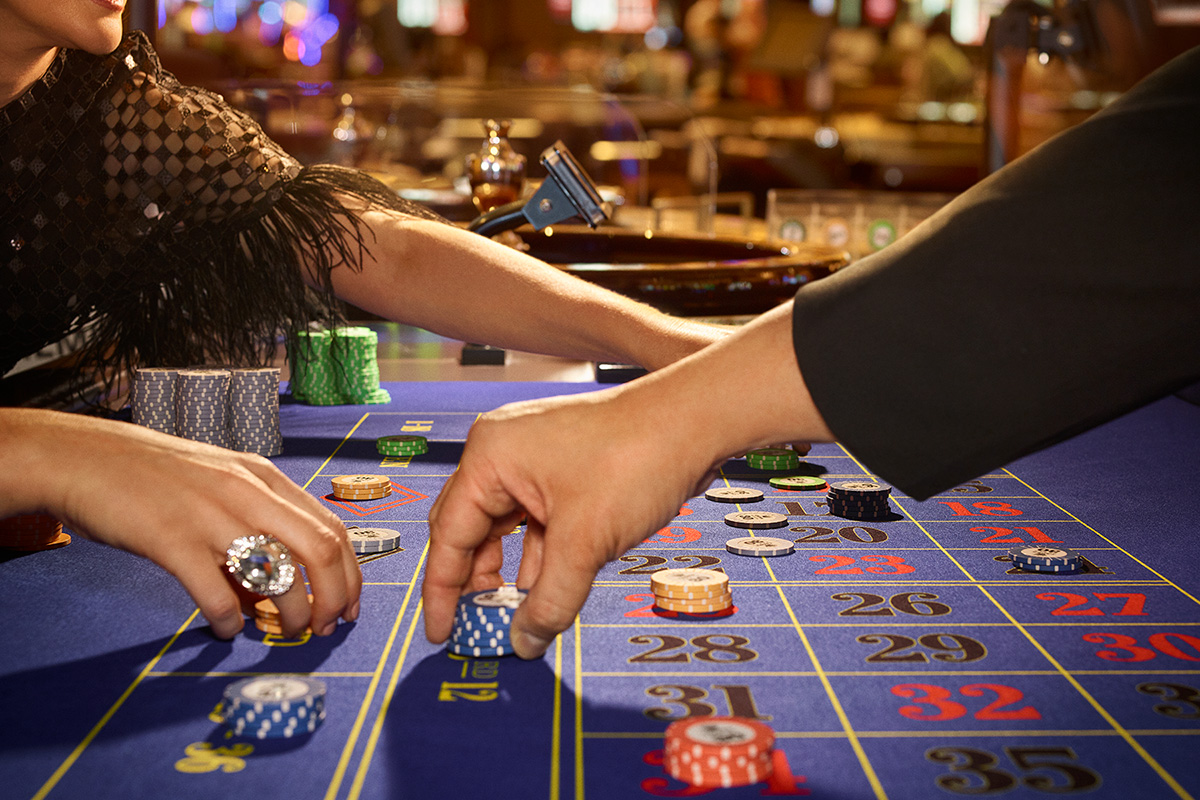
Present Brave Online Gambling The Neuroeconomic FrontierPresent Brave Online Gambling The Neuroeconomic Frontier

The conventional narrative of online gambling focuses on addiction and regulation. However, a paradigm shift is occurring within the industry’s most sophisticated operators: the application of neuroeconomic principles to design “brave” gambling environments. This approach moves beyond crude behavioral nudges, instead leveraging real-time biometric and behavioral data to create experiences that optimize for player engagement through perceived mastery and calculated risk, not just loss-chasing. This article investigates this controversial frontier, where player agency is both studied and shaped by advanced algorithms.

Beyond RNGs: The Quantified Self in Play

Modern platforms have transcended simple Random Number Generators (RNGs). They now integrate vast datasets, analyzing micro-decisions, timing between bets, and even proxy biometrics via device usage patterns. A 2024 study by the Digital Behavior Lab found that 73% of major bandar slot operators now employ some form of session-flow algorithm that dynamically adjusts game suggestions based on a player’s inferred emotional state, derived from interaction speed and bet sizing variance. This creates a closed-loop system where the game adapts to the player’s cognitive load.

The implications are profound. For instance, a player exhibiting patterns of “tilting” (frustration-based decision-making) may be presented with a slower-paced, skill-based mini-game to re-engage cognitive control centers, a tactic shown to increase session length by an average of 22% according to internal data from three leading platforms. This isn’t mere personalization; it’s a real-time neuroeconomic intervention.

Key Data Points Shaping 2024’s Landscape

  • Biometric integration is projected to grow 300% in two years, with 41% of new platform builds including APIs for wearable data streams (voluntary opt-in).
  • Algorithmic “cool-off” interventions, triggered by spending velocity, now prevent 17% of potential customer self-exclusions, preserving lifetime value.
  • The use of “loss framing” vs. “gain framing” in bonus communication is A/B tested across 200+ variables, impacting uptake rates by up to 58%.
  • Neural-networks predict deposit likelihood with 89% accuracy 48 hours before the event, enabling hyper-targeted retention campaigns.

Case Study 1: The Dynamic Volatility Engine

A mid-tier casino platform, “VortexPlay,” faced high churn after large wins; players would cash out and leave. Their data showed that the psychological peak of a big win created a natural exit point. The intervention was a proprietary Dynamic Volatility Engine (DVE). Post-major-win, the DVE would subtly introduce players to games with mathematically identical RTPs but higher volatility and engaging “near-miss” mechanics, framed as “high-stakes bonus rounds.”

The methodology involved cloaking the shift in core mathematics within narrative game themes. A slot’s bonus round would shift from a guaranteed 20x payout to a 5% chance of a 100x payout, maintaining the expected value but altering the reward schedule. The outcome was a 31% reduction in immediate cash-outs post-jackpot, with 65% of those funds replayed in the new high-volatility environment. Player surveys indicated a heightened sense of “chasing a greater thrill,” precisely the brave cognitive state the engine was designed to elicit.

Case Study 2: Cognitive Load Balancing for Poker

The problem identified by “Apex Poker Network” was multi-table fatigue. High-volume players would experience decision degradation after 90 minutes, leading to costly errors and subsequent session termination. The platform developed a Cognitive Load Balancer (CLB) that monitored decision speed, bet-sizing consistency, and chat-box sentiment across tables.

The CLB’s methodology was non-invasive. It used this data to dynamically adjust table selection in fast-fold poker pools. When degraded performance was detected, the algorithm would prioritize seating the player at tables with a higher proportion of predictable, “tight” opponents, reducing the cognitive complexity required per hand. This seamless assistance led to a quantified 18% increase in profitable decisions in the final hour of play and extended average session length by 47 minutes. Players reported feeling “in the zone” for longer, unaware of the engineered assist.

Case Study 3: The Social Proof Scheduler

A sportsbook, “BraveBet,” struggled with low engagement on niche markets like darts or table tennis. The innovation was the Social Proof Scheduler, an algorithm that artificially clustered live bets in real-time to create visible momentum. When a user hesitated on a live bet, the

Read MoreRead More