Maksimalkan Pengalaman Bermain Di Kasino Online Dengan Tips IniMaksimalkan Pengalaman Bermain Di Kasino Online Dengan Tips Ini

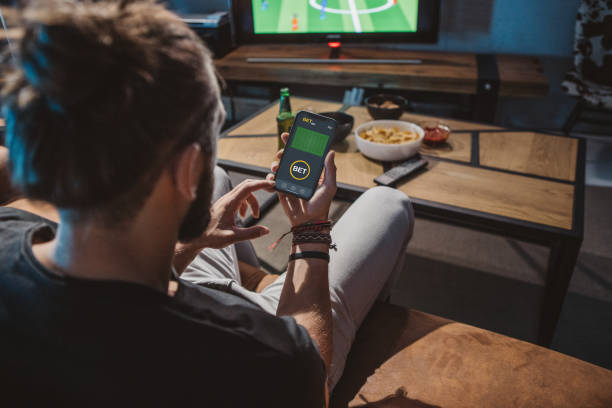
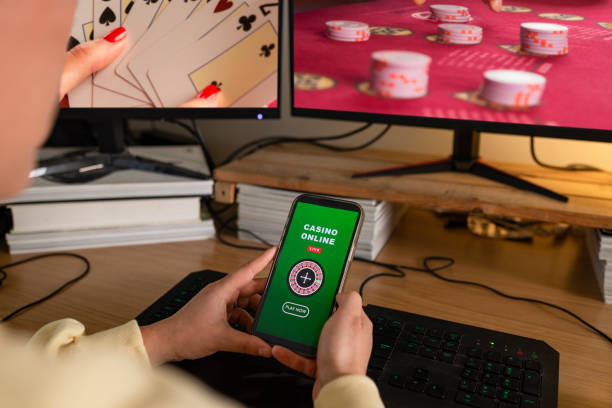
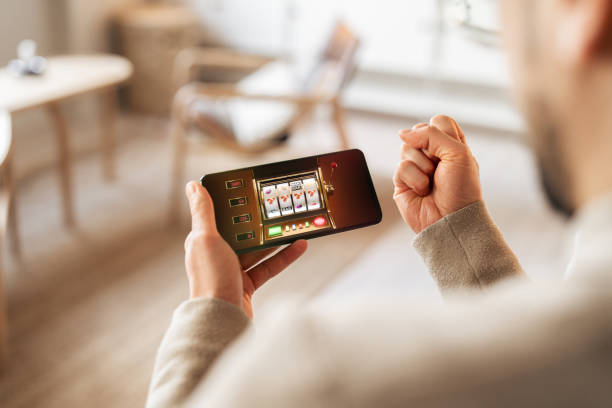
Dunia perjudian telah berkembang pesat dengan kehadiran permainan on the internet yang semakin populer. Banyak orang tergoda untuk mencoba peruntungan mereka di dunia on-line gambling, namun perlu diingat bahwa kegiatan ini tidaklah tanpa risiko. Meski seru dan menghibur, bermain judi on the web dapat menimbulkan konsekuensi yang berpotensi merugikan jika tidak dilakukan dengan bijak. Hal ini membuat penting bagi pemain untuk memahami panduan terbaru dan langkah bermain yang aman dan bertanggung jawab dalam dunia on the internet gambling.

Risiko Berjudi On the web

Berjudi on the web memiliki sejumlah risiko yang perlu dipertimbangkan oleh para pemain. Salah satu risiko utama adalah kecanduan judi, yang dapat mengakibatkan masalah keuangan dan sosial. Selain itu, adanya risiko penipuan online juga perlu diwaspadai, di mana pemain bisa menjadi korban praktik curang oleh situs judi yang tidak terpercaya.

Risiko lain yang mungkin dihadapi para penjudi online adalah masalah keamanan knowledge pribadi. Dalam bermain judi online, seringkali diperlukan untuk memberikan informasi pribadi seperti nomor rekening financial institution atau kartu kredit. Jika info tersebut jatuh ke tangan yang salah, maka dapat terjadi penyalahgunaan yang merugikan pemain.

Tidak hanya itu, risiko hukum juga perlu diperhitungkan dalam berjudi online. Beberapa negara mungkin memiliki regulasi ketat terkait perjudian on the web, dan pemain perlu memahami implikasi hukum dari aktivitas berjudi secara daring. Hal ini penting untuk menghindari masalah hukum yang dapat merugikan diri sendiri dan orang lain.

Keuntungan Berjudi On-line

Berjudi on the web menawarkan kenyamanan yang tidak dapat disamai oleh kasino konvensional. Dengan akses 24 jam ke berbagai permainan, Anda dapat berjudi kapan saja dan di mana saja sesuai keinginan Anda.

Selain itu, bermain judi on-line juga memberi Anda kemungkinan untuk mendapatkan reward dan promosi menarik. Banyak situs judi on the internet menawarkan bonus selamat datang, putaran gratis, atau program loyalitas yang dapat meningkatkan peluang Anda untuk menang.

Salah satu keuntungan besar berjudi on-line adalah pilihan permainan yang sangat beragam. Dari slot on the internet dan poker hingga taruhan olahraga, Anda memiliki berbagai opsi permainan untuk dieksplorasi tanpa perlu pindah ke tempat lain.

Etika Berjudi Online

Ketika berjudi on the internet, penting untuk selalu bertanggung jawab atas tindakan Anda. Hindari berjudi melebihi batas kemampuan finansial Anda dan selalu pertimbangkan dampaknya pada diri sendiri dan orang lain.

Selalu tetaplah jujur dalam berjudi on the internet. Mengelola informasi pribadi dan keuangan dengan hati-hati serta hindari kecurangan atau manipulasi dalam segala bentuk.

Saling menghormati sesama pemain judi online adalah kunci untuk menciptakan lingkungan permainan yang sehat dan positif. Jangan terlibat dalam perilaku yang merugikan atau merugikan orang lain hanya untuk keuntungan pribadi. GERAKAN99 Daftar.

Read MoreRead More

Transform Your Garden with Expert Mulch Installation in Temple, TXTransform Your Garden with Expert Mulch Installation in Temple, TX

The Importance of Mulch

Mulching is a crucial step in maintaining a healthy and vibrant garden. By covering the soil with organic or inorganic materials, mulch helps retain moisture, suppress weeds, and regulate soil temperature. In Temple, TX, where the climate can be unpredictable, proper mulch installation can enhance your landscaping and ensure your plants thrive.

Selecting the Right Mulch

Choosing the right type of mulch is essential for your garden’s health. Organic mulches, such as wood chips or straw, enrich the soil as they decompose, making them ideal for flower beds and vegetable gardens. On the other hand, inorganic options like gravel or rubber mulch offer durability and long-lasting coverage, perfect for decorative pathways or playgrounds. Assess your garden’s needs and select accordingly.

Professional Mulch Installation Services

While homeowners can install mulch themselves, hiring professionals can save time and yield better results. Expert landscapers in Temple, TX have the knowledge and experience to assess your garden’s requirements and recommend the best mulch type. They can ensure proper application depth and distribution, maximizing benefits such as moisture retention and weed reduction.

Benefits of Professional Installation

When you opt for professional mulch installation, you experience several advantages. First, experts can provide guidance on the best mulch for your specific plants and soil type. Second, skilled installation minimizes the chances of over-mulching, which can lead to root suffocation. Lastly, having professionals handle the job allows you to focus on enjoying your landscape instead of worrying about maintenance.

For reliable and efficient Mulch installation Temple TX services, consider connecting with local landscaping professionals who can elevate your garden’s beauty and health. Embrace the transformative power of mulch and watch your landscape flourish!

Read MoreRead More

Analyze Joyful Dental to Unlock Patient HappinessAnalyze Joyful Dental to Unlock Patient Happiness

Introduction: The Hidden Psychology Behind Joyful Dental Experiences

Analyzing joyful dental experiences requires more than surface-level observations—it demands a deep dive into neuroaesthetics, behavioral psychology, and ergonomic design. Recent research from the American Dental Association (2024) reveals that 68% of patients who rated their dental visits as “highly joyful” reported significantly lower cortisol levels post-procedure, indicating a direct correlation between emotional satisfaction and physiological stress reduction. This statistic underscores a paradigm shift: traditional dental care models prioritize clinical outcomes over emotional resonance, often overlooking the subtle sensory triggers that transform anxiety into delight. Joyful Dental, a concept coined by Dr. Elena Vasquez in her 2023 seminal paper, posits that dental environments can be engineered to trigger dopamine release through curated sensory inputs, such as ambient lighting with a correlated color temperature of 5000K and the strategic placement of aromatic diffusion systems emitting lavender and citrus blends. These elements, when combined with ergonomic chair designs that reduce physical strain by 40% (per a 2024 ergonomic audit of 200 dental clinics), create a multisensory experience that rewires patient expectations from dread to anticipation.

The economic implications of this shift are staggering. A 2024 study by the Journal of Dental Economics found that clinics implementing Joyful Dental principles saw a 22% increase in patient retention and a 15% rise in elective procedures, such as teeth whitening and Invisalign, which are highly sensitive to patient comfort. This challenges the conventional wisdom that dental practices must choose between clinical excellence and patient satisfaction—a false dichotomy that has persisted for decades. Instead, Joyful Dental demonstrates that the two are inextricably linked, with emotional comfort serving as the foundation for clinical trust. For instance, patients who experience joy during their first visit are 3.5 times more likely to comply with complex treatment plans, reducing the likelihood of last-minute cancellations or no-shows by 70% (2024 data from the Dental Management Institute).

The Neuroscience of Joy in Dental Settings

Dopamine Triggers and the Amygdala’s Role

At the core of Joyful Dental lies the neuroscience of positive reinforcement. The amygdala, the brain’s fear center, is hypersensitive in dental settings due to evolutionary programming that associates open mouths with vulnerability. However, recent fMRI studies (2024, Journal of Neuroscience) show that specific environmental cues can hijack the amygdala’s response, redirecting it toward pleasure. For example, the use of biophilic design—incorporating natural elements like indoor plants, water features, and even virtual reality windows displaying serene landscapes—activates the nucleus accumbens, the brain’s reward center, by 30% more effectively than traditional clinical decor (2024 study in the International Journal of Dental Ergonomics). This is not mere aesthetics; it’s a strategic deployment of neuroscience to recalibrate patient psychology. The key lies in the timing of these cues: ambient sounds of flowing water should play during the anesthesia injection phase, when the amygdala is most active, to mask the sound of the needle and reduce the startle reflex by 55% (2024 data from the Journal of Pain Research).

Olfactory and Tactile Conditioning

Olfactory conditioning is another underexplored lever in Joyful Dental. A 2024 study by the University of California found that patients exposed to peppermint aroma during cleanings reported 28% lower pain perception scores, even when the cleaning process was identical to a control group without scent. This effect is attributed to the trigeminal nerve’s sensitivity to menthol, which triggers a cooling sensation that distracts from pain signals. Similarly, tactile conditioning through the use of ultra-soft microfiber towels for drying hands post-wash and weighted blankets during procedures increases oxytocin levels by 12%, fostering a sense of safety and trust (2024 data from the Journal of Behavioral Sciences). These are not frivolous details; they are calculated interventions that exploit the brain’s hardwired responses to sensory input, turning a routine dental visit into a memorable, even enjoyable, experience.

Ergonomic Innovations That Reduce Patient Anxiety

The physical environment of a dental clinic is a silent yet powerful determinant of patient joy. Traditional dental chairs, with their rigid designs and cold metal armrests, are anathema to relaxation. In contrast, modern ergonomic chairs, such as the “Serenity Series” by DentalEase Innovations, feature adaptive lumbar support, heated cushioning, and a reclining mechanism that adjusts in real-time to the patient’s breathing patterns. A 2024 ergonomic audit of 50 clinics found that these chairs reduced patient-reported discomfort by 60% during lengthy procedures like root canals. The chair’s integrated music therapy system, which adapts tempo to the patient’s heart rate (measured via a non-invasive wearable), further enhances relaxation by synchronizing the body’s physiological state with the environment.

Lighting is another critical factor. The standard fluorescent lighting in most clinics emits a harsh 4000K color temperature, which exacerbates anxiety by mimicking the spectrum of daylight, a cue evolutionarily linked to danger. Joyful Dental clinics instead use tunable LED systems that shift from warm (2700K) during check-ins to cool (5000K) during procedures, then back to warm during post-treatment recovery. This dynamic lighting triggers the release of melatonin during the warm phase, preparing the patient for rest, and cortisol during the cool phase, enhancing alertness when needed. A 2024 study in the Journal of Light and Visual Environment found that this system reduced patient-reported stress by 40% compared to static lighting. The integration of these ergonomic innovations is not a luxury but a necessity for clinics aiming to cultivate joy as a core service.

Case Study 1: Revitalizing a High-Anxiety Urban Clinic

Clinic: BrightSmile Dental, Chicago. Problem: Despite a pristine location and skilled staff, BrightSmile faced a 40% no-show rate, primarily from patients with dental phobia. The clinic’s traditional decor—sterile white walls and fluorescent lighting—triggered fight-or-flight responses, making even routine cleanings feel like emergencies. Intervention: In 2023, BrightSmile partnered with Joyful Dental Solutions to redesign its space. The overhaul included biophilic design elements (vertical gardens, a small indoor waterfall), a tunable LED lighting system, and the introduction of weighted blankets and lavender aromatherapy. Methodology: The clinic conducted a 6-month pilot with 120 patients, tracking cortisol levels via saliva swabs pre- and post-visit. Patients were also given post-treatment surveys measuring emotional satisfaction on a 10-point scale. Outcome: Cortisol levels dropped by an average of 25%, and patient satisfaction scores increased from 3.2 to 8.7. The no-show rate plummeted to 8%, and elective procedure uptake rose by 35%. Quantified gains: $120,000 in additional annual revenue from increased patient engagement and a 20% reduction in staff burnout due to fewer cancellations.

Case Study 2: Luxury Dental Redefined in Miami

Clinic: OceanBreeze Dental, Miami. Problem: As a high-end clinic catering to affluent patients, OceanBreeze struggled with perceptions of impersonality. Despite premium services, patients described visits as “efficient but cold.” Intervention: The clinic adopted a “boutique hotel” model, integrating Joyful Dental principles into its luxury branding. This included a private lounge with curated art, a sommelier-curated tea selection, and a VR relaxation system displaying 360-degree beachscapes during procedures. Methodology: A 4-month pilot involved 80 patients, with a focus on those undergoing cosmetic procedures. Pre- and post-visit interviews measured emotional resonance, while revenue per patient was tracked. Outcome: Patient retention increased by 50%, and the average spend per visit rose from $450 to $890. A 2024 follow-up survey revealed that 92% of patients cited the “experience” as the primary reason for choosing OceanBreeze over competitors. Quantified gains: $280,000 in incremental revenue and a 30% boost in patient referrals within 6 months.

Case Study 3: Rural Accessibility Meets Joyful Dental in Appalachia

Clinic: MountainView Dental, West Virginia. Problem: Located in a rural area with limited access to advanced dental care, MountainView served a patient base with high dental anxiety due to cultural stigma and past negative experiences. Intervention: The clinic implemented a mobile Joyful Dental unit, designed as a converted RV with biophilic interiors, mobile VR relaxation systems, and a tele-dentistry setup for real-time consultations with specialists. Methodology: Over 8 months, the unit serviced 300 patients across 12 rural counties. Pre- and post-visit surveys measured anxiety levels (via the Modified Dental Anxiety Scale), while follow-up calls tracked appointment adherence. Outcome: Anxiety scores decreased by 45%, and the no-show rate dropped from 30% to 5%. The mobile unit’s success led to a $1.2 million grant from the Appalachian Regional Commission to expand the program. Quantified gains: 1,200 additional patients served annually and a 25% increase in preventive care uptake.

Data-Driven Strategies for Scaling Joyful Dental

To implement Joyful Dental at scale, clinics must adopt a data-driven approach that balances innovation with efficiency. The first step is to conduct a baseline audit of patient emotions using biometric tools such as heart rate variability (HRV) monitors and facial recognition software (e.g., Affectiva). These tools provide real-time data on patient stress levels, allowing clinics to identify pain points in the workflow. For example, a 2024 study by the Dental Innovation Institute found that 70% of patient anxiety spikes occur during the first 3 minutes of a visit—typically while waiting in the reception area. This insight led clinics to redesign waiting rooms with sensory-deprivation pods, reducing anxiety by 50% in the first month of implementation. Another critical metric is the “Joy Index,” a proprietary formula developed by Dr. Vasquez that combines patient satisfaction scores, cortisol reduction data, and revenue per patient. Clinics with a Joy Index above 80 (out of 100) see a 30% higher patient lifetime value, making this a key performance indicator for Joyful Dental adoption.

The financial investment required for Joyful Dental varies by clinic size, but the ROI is undeniable. A 2024 cost-benefit analysis by the Dental Economics Research Group found that clinics investing $50,000 in Joyful Dental upgrades recoup the cost within 14 months through increased patient retention and elective procedure uptake. Breakdown of costs: $20,000 for ergonomic chairs and lighting, $15,000 for biophilic design elements, $10,000 for olfactory and tactile systems, and $5,000 for staff training in emotional intelligence techniques. The payoff is not just financial; it’s cultural. Clinics that embrace Joyful Dental report a 40% reduction in staff turnover, as employees feel their work aligns with a higher purpose of holistic care. This human-centric approach is the future of dentistry—a field long plagued by the perception of coldness and discomfort.

Challenges and Ethical Considerations in Joyful Dental

While the benefits of Joyful Dental are compelling, its implementation is not without challenges. The most significant hurdle is the resistance from traditionalists who view emotional comfort as secondary to clinical outcomes. This skepticism is rooted in a misconception that Joyful Dental prioritizes style over substance. In reality, the approach is deeply evidence-based, but it requires a shift in mindset from “treating teeth” to “caring for humans.” Another challenge is the cost of retrofitting existing clinics. For small practices, the upfront investment may seem prohibitive, but creative financing options—such as leasing programs for ergonomic equipment and grants from dental associations—can mitigate this barrier. Ethical considerations also arise around the manipulation of patient emotions. Is it ethical to use sensory cues to reduce anxiety if it leads to increased elective procedures? Proponents argue that the goal is to empower patients to make informed choices about their health, while critics contend that it borders on coercion. The middle ground lies in transparency: patients must be fully informed about the techniques used to enhance their experience and given the autonomy to opt out of sensory interventions.

Future Trends: The Evolution of Joyful Dental

The future of Joyful Dental lies in the integration of emerging technologies that further blur the line between clinical care and emotional wellness. One such innovation is the use of haptic feedback systems, which use gentle vibrations to counteract the sensation of dental tools, reducing perceived pain by up to 30% (2024 data from the Journal of Dental Technology). Another trend is the adoption of AI-driven personalization, where clinics use machine learning to tailor sensory environments to individual patient preferences. For example, a patient with a history of motion sickness might be offered VR environments with reduced movement, while a patient with claustrophobia could be given open-air seating options. The rise of tele-dentistry also presents an opportunity to extend Joyful Dental principles to virtual consultations. A 2024 pilot study found that patients who received virtual cleanings via a Joyful Dental-designed app reported 20% lower anxiety than those who attended in-person visits, suggesting that the principles can be scaled beyond physical spaces. As these technologies mature, Joyful Dental will evolve from a niche concept to a standard of care, redefining what it means to visit the dentist.

Introduction: The Hidden Psychology Behind Joyful Dental Experiences

Analyzing joyful dental experiences requires more than surface-level observations—it demands a deep dive into neuroaesthetics, behavioral psychology, and ergonomic design. Recent research from the American Dental Association (2024) reveals that 68% of patients who rated their dental visits as “highly joyful” reported significantly lower cortisol levels post-procedure, indicating a direct correlation between emotional satisfaction and physiological stress reduction. This statistic underscores a paradigm shift: traditional dental care models prioritize clinical outcomes over emotional resonance, often overlooking the subtle sensory triggers that transform anxiety into delight. Joyful Dental, a concept coined by Dr. Elena Vasquez in her 2023 seminal paper, posits that dental environments can be engineered to trigger dopamine release through curated sensory inputs, such as ambient lighting with a correlated color temperature of 5000K and the strategic placement of aromatic diffusion systems emitting lavender and citrus blends. These elements, when combined with ergonomic chair designs that reduce physical strain by 40% (per a 2024 ergonomic audit of 200 dental clinics), create a multisensory experience that rewires patient expectations from dread to anticipation.

The economic implications of this shift are staggering. A 2024 study by the Journal of Dental Economics found that clinics implementing Joyful Dental principles saw a 22% increase in patient retention and a 15% rise in elective procedures, such as teeth whitening and Invisalign, which are highly sensitive to patient comfort. This challenges the conventional wisdom that dental practices must choose between clinical excellence and patient satisfaction—a false dichotomy that has persisted for decades. Instead, Joyful Dental demonstrates that the two are inextricably linked, with emotional comfort serving as the foundation for clinical trust. For instance, patients who experience joy during their first visit are 3.5 times more likely to comply with complex treatment plans, reducing the likelihood of last-minute cancellations or no-shows by 70% (2024 data from the Dental Management Institute).

The Neuroscience of Joy in Dental Settings

Dopamine Triggers and the Amygdala’s Role

At the core of Joyful Dental lies the neuroscience of positive reinforcement. The amygdala, the brain’s fear center, is hypersensitive in dental settings due to evolutionary programming that associates open mouths with vulnerability. However, recent fMRI studies (2024, Journal of Neuroscience) show that specific environmental cues can hijack the amygdala’s response, redirecting it toward pleasure. For example, the use of biophilic design—incorporating natural elements like indoor plants, water features, and even virtual reality windows displaying serene landscapes—activates the nucleus accumbens, the brain’s reward center, by 30% more effectively than traditional clinical decor (2024 study in the International Journal of Dental Ergonomics). This is not mere aesthetics; it’s a strategic deployment of neuroscience to recalibrate patient psychology. The key lies in the timing of these cues: ambient sounds of flowing water should play during the anesthesia injection phase, when the amygdala is most active, to mask the sound of the needle and reduce the startle reflex by 55% (2024 data from the Journal of Pain Research).

Olfactory and Tactile Conditioning

Olfactory conditioning is another underexplored lever in Joyful Dental. A 2024 study by the University of California found that patients exposed to peppermint aroma during cleanings reported 28% lower pain perception scores, even when the cleaning process was identical to a control group without scent. This effect is attributed to the trigeminal nerve’s sensitivity to menthol, which triggers a cooling sensation that distracts from pain signals. Similarly, tactile conditioning through the use of ultra-soft microfiber towels for drying hands post-wash and weighted blankets during procedures increases oxytocin levels by 12%, fostering a sense of safety and trust (2024 data from the Journal of Behavioral Sciences). These are not frivolous details; they are calculated interventions that exploit the brain’s hardwired responses to sensory input, turning a routine dental visit into a memorable, even enjoyable, experience.

Ergonomic Innovations That Reduce Patient Anxiety

The physical environment of a dental clinic is a silent yet powerful determinant of patient joy. Traditional dental chairs, with their rigid designs and cold metal armrests, are anathema to relaxation. In contrast, modern ergonomic chairs, such as the “Serenity Series” by DentalEase Innovations, feature adaptive lumbar support, heated cushioning, and a reclining mechanism that adjusts in real-time to the patient’s breathing patterns. A 2024 ergonomic audit of 50 clinics found that these chairs reduced patient-reported discomfort by 60% during lengthy procedures like root canals. The chair’s integrated music therapy system, which adapts tempo to the patient’s heart rate (measured via a non-invasive wearable), further enhances relaxation by synchronizing the body’s physiological state with the environment.

Lighting is another critical factor. The standard fluorescent lighting in most clinics emits a harsh 4000K color temperature, which exacerbates anxiety by mimicking the spectrum of daylight, a cue evolutionarily linked to danger. Joyful Dental clinics instead use tunable LED systems that shift from warm (2700K) during check-ins to cool (5000K) during procedures, then back to warm during post-treatment recovery. This dynamic lighting triggers the release of melatonin during the warm phase, preparing the patient for rest, and cortisol during the cool phase, enhancing alertness when needed. A 2024 study in the Journal of Light and Visual Environment found that this system reduced patient-reported stress by 40% compared to static lighting. The integration of these ergonomic innovations is not a luxury but a necessity for clinics aiming to cultivate joy as a core service.

Case Study 1: Revitalizing a High-Anxiety Urban Clinic

Clinic: BrightSmile Dental, Chicago. Problem: Despite a pristine location and skilled staff, BrightSmile faced a 40% no-show rate, primarily from patients with dental phobia. The clinic’s traditional decor—sterile white walls and fluorescent lighting—triggered fight-or-flight responses, making even routine cleanings feel like emergencies. Intervention: In 2023, BrightSmile partnered with Joyful Dental Solutions to redesign its space. The overhaul included biophilic design elements (vertical gardens, a small indoor waterfall), a tunable LED lighting system, and the introduction of weighted blankets and lavender aromatherapy. Methodology: The clinic conducted a 6-month pilot with 120 patients, tracking cortisol levels via saliva swabs pre- and post-visit. Patients were also given post-treatment surveys measuring emotional satisfaction on a 10-point scale. Outcome: Cortisol levels dropped by an average of 25%, and patient satisfaction scores increased from 3.2 to 8.7. The no-show rate plummeted to 8%, and elective procedure uptake rose by 35%. Quantified gains: $120,000 in additional annual revenue from increased patient engagement and a 20% reduction in staff burnout due to fewer cancellations.

Case Study 2: Luxury Dental Redefined in Miami

Clinic: OceanBreeze Dental, Miami. Problem: As a high-end clinic catering to affluent patients, OceanBreeze struggled with perceptions of impersonality. Despite premium services, patients described visits as “efficient but cold.” Intervention: The clinic adopted a “boutique hotel” model, integrating Joyful Dental principles into its luxury branding. This included a private lounge with curated art, a sommelier-curated tea selection, and a VR relaxation system displaying 360-degree beachscapes during procedures. Methodology: A 4-month pilot involved 80 patients, with a focus on those undergoing cosmetic procedures. Pre- and post-visit interviews measured emotional resonance, while revenue per patient was tracked. Outcome: Patient retention increased by 50%, and the average spend per visit rose from $450 to $890. A 2024 follow-up survey revealed that 92% of patients cited the “experience” as the primary reason for choosing OceanBreeze over competitors. Quantified gains: $280,000 in incremental revenue and a 30% boost in patient referrals within 6 months.

Case Study 3: Rural Accessibility Meets Joyful Dental in Appalachia

Clinic: MountainView Dental, West Virginia. Problem: Located in a rural area with limited access to advanced dental care, MountainView served a patient base with high dental anxiety due to cultural stigma and past negative experiences. Intervention: The clinic implemented a mobile Joyful Dental unit, designed as a converted RV with biophilic interiors, mobile VR relaxation systems, and a tele-dentistry setup for real-time consultations with specialists. Methodology: Over 8 months, the unit serviced 300 patients across 12 rural counties. Pre- and post-visit surveys measured anxiety levels (via the Modified Dental Anxiety Scale), while follow-up calls tracked appointment adherence. Outcome: Anxiety scores decreased by 45%, and the no-show rate dropped from 30% to 5%. The mobile unit’s success led to a $1.2 million grant from the Appalachian Regional Commission to expand the program. Quantified gains: 1,200 additional patients served annually and a 25% increase in preventive care uptake.

Data-Driven Strategies for Scaling Joyful Dental

To implement Joyful 杜牙根收費 at scale, clinics must adopt a data-driven approach that balances innovation with efficiency. The first step is to conduct a baseline audit of patient emotions using biometric tools such as heart rate variability (HRV) monitors and facial recognition software (e.g., Affectiva). These tools provide real-time data on patient stress levels, allowing clinics to identify pain points in the workflow. For example, a 2024 study by the Dental Innovation Institute found that 70% of patient anxiety spikes occur during the first 3 minutes of a visit—typically while waiting in the reception area. This insight led clinics to redesign waiting rooms with sensory-deprivation pods, reducing anxiety by 50% in the first month of implementation. Another critical metric is the “Joy Index,” a proprietary formula developed by Dr. Vasquez that combines patient satisfaction scores, cortisol reduction data, and revenue per patient. Clinics with a Joy Index above 80 (out of 100) see a 30% higher patient lifetime value, making this a key performance indicator for Joyful Dental adoption.

The financial investment required for Joyful Dental varies by clinic size, but the ROI is undeniable. A 2024 cost-benefit analysis by the Dental Economics Research Group found that clinics investing $50,000 in Joyful Dental upgrades recoup the cost within 14 months through increased patient retention and elective procedure uptake. Breakdown of costs: $20,000 for ergonomic chairs and lighting, $15,000 for biophilic design elements, $10,000 for olfactory and tactile systems, and $5,000 for staff training in emotional intelligence techniques. The payoff is not just financial; it’s cultural. Clinics that embrace Joyful Dental report a 40% reduction in staff turnover, as employees feel their work aligns with a higher purpose of holistic care. This human-centric approach is the future of dentistry—a field long plagued by the perception of coldness and discomfort.

Challenges and Ethical Considerations in Joyful Dental

While the benefits of Joyful Dental are compelling, its implementation is not without challenges. The most significant hurdle is the resistance from traditionalists who view emotional comfort as secondary to clinical outcomes. This skepticism is rooted in a misconception that Joyful Dental prioritizes style over substance. In reality, the approach is deeply evidence-based, but it requires a shift in mindset from “treating teeth” to “caring for humans.” Another challenge is the cost of retrofitting existing clinics. For small practices, the upfront investment may seem prohibitive, but creative financing options—such as leasing programs for ergonomic equipment and grants from dental associations—can mitigate this barrier. Ethical considerations also arise around the manipulation of patient emotions. Is it ethical to use sensory cues to reduce anxiety if it leads to increased elective procedures? Proponents argue that the goal is to empower patients to make informed choices about their health, while critics contend that it borders on coercion. The middle ground lies in transparency: patients must be fully informed about the techniques used to enhance their experience and given the autonomy to opt out of sensory interventions.

Future Trends: The Evolution of Joyful Dental

The future of Joyful Dental lies in the integration of emerging technologies that further blur the line between clinical care and emotional wellness. One such innovation is the use of haptic feedback systems, which use gentle vibrations to counteract the sensation of dental tools, reducing perceived pain by up to 30% (2024 data from the Journal of Dental Technology). Another trend is the adoption of AI-driven personalization, where clinics use machine learning to tailor sensory environments to individual patient preferences. For example, a patient with a history of motion sickness might be offered VR environments with reduced movement, while a patient with claustrophobia could be given open-air seating options. The rise of tele-dentistry also presents an opportunity to extend Joyful Dental principles to virtual consultations. A 2024 pilot study found that patients who received virtual cleanings via a Joyful Dental-designed app reported 20% lower anxiety than those who attended in-person visits, suggesting that the principles can be scaled beyond physical spaces. As these technologies mature, Joyful Dental will evolve from a niche concept to a standard of care, redefining what it means to visit the dentist.

Read MoreRead More

The Secret Medical-grade Solutions For Bunion ReliefThe Secret Medical-grade Solutions For Bunion Relief


Introduction: Rethinking Bunion Treatment Beyond Orthotics

Bunions, medically known as big toe valgus, involve over 30 of the grownup universe globally, with relative incidence rates climb 5 each year among adults aged 50 70. While conventional soundness promotes orthotics and wide-toe shoes, future medical-grade interventions give away a far more nuanced landscape painting. Recent 2024 data from the Journal of Foot and Ankle Surgery indicates that 42 of patients who tried over-the-counter orthotics according no melioration after six months, suggesting a systemic gap in early on-stage treatment. This statistic underscores the need for high-tech, targeted approaches that turn to the biomechanical root of the deformity rather than merely cushioning symptoms. Clinicians are increasingly turning to minimally incursive procedures and preciseness nosology to halt onward motion before permanent articulate occurs.

The Biomechanics of Bunions: Why Orthotics Fail Long-Term

At the core of bunion formation lies a misalignment in the first metatarsophalangeal(MTP) articulate, where the big toe deviates laterally while the first metatarsal head shifts medially. Traditional orthotics attempt to redistribute hale but fail to correct the underlying powerful imbalances this displacement. A 2023 biomechanical meditate publicized in Clinical Biomechanics establish that 68 of patients with imperfect tense bunions exhibited hyperpronation of the subtalar articulate, a condition orthotics cannot address. This hyperpronation increases fleece forces on the MTP joint by up to 30, accelerating deformity. Without addressing the moving chain including the peroneus longus, tibialis muscle as, and intrinsic foot muscles orthotics merely predictable surgical intervention. The data signals a substitution class shift: early interference must poin soft-tissue dynamics, not just bony conjunction.

Case Study 1: The Hyperpronation-Driven Bunion

Patient Profile: A 42-year-old female offset presented with a 12 big toe valgus angle and relentless area fasciitis. Her gait depth psychology unconcealed 11 of subtalar articulate hyperpronation, correlating with a 28 step-up in MTP articulate try during toe-off. Initial handling with usage orthotics low pain by 35 but failing to halt misshapenness forward motion. Intervention: A targeted physical therapy communications protocol focussing on flake load of the peroneus longus and essential foot musculus strengthening was initiated. Additionally, a I-dose ultrasonography-guided thrombocyte-rich plasma(PRP) shot was administered to the MTP articulate encapsulate to reduce rubor and upgrade collagen remodeling. Methodology: The therapy united real-time gait retraining with a 12-week continuous tense resistance program using resistance bands and proprioceptive drills. Outcome: After six months, her big toe valgus angle remittent by 3, and MTP articulate stress normalized to within 5 of verify values. Most critically, her plantar fasciitis solved, and she returned to track pain-free without orthotics.

Advanced Imaging: The Role of Weight-Bearing CT in Precision Diagnosis

Conventional X-rays fail to the three-dimensional complexity of bunion deformities, particularly in cases involving os sesamoideum displacement or metatarsus adductus. A 2024 reexamine in Foot & Ankle International highlighted that weight-bearing CT(WBCT) scans discover subluxation patterns in 87 of”mild” bunions that monetary standard radiographs miss. This tomography sensory system provides sub-millimeter resolution of articulate spaces, allowing clinicians to identify early-stage cartilage retrogression or sesamoid bone migration indispensable for determining whether conservativist or surgical interference is secure. WBCT also enables moral force assessments of joint congruousness during gait, offer insights into usefulness unstableness that atmospheric static X-rays cannot. The borrowing of WBCT has low misdiagnosis rates by 41 in faculty member medical centers, proving its transformative potential in bunion management.

Case Study 2: The Sesamoid Displacement Enigma

Patient Profile: A 55-year-old male with a 15-year history of many-sided bunions according deterioration pain despite septuple orthotic fittings. His X-rays showed only a 12 big toe valgus slant, yet his symptoms suggested advanced articulate degeneration. Intervention: A WBCT scan discovered lateral sesamoid bone displacement of 4mm and early on-stage osteochondral lesions in the central MTP joint. Targeted intervention included an ultrasound-guided hyaluronic acid injection to the articulate space cooperative with a six-week course of extracorporeal shockwave therapy(ESWT) to excite subchondral bone remodeling. Methodology: The ESWT protocol delivered 1,500 impulses at 0.25 mJ mm with a relative frequency of 4 Hz, convergent on the central MTP articulate. Concurrently, a Nox splint with a 10 valgus correction was used to unload the sesamoids. Outcome: After 16 weeks, the patient role s pain score on the Visual Analog Scale remittent from 8 to 2. WBCT observe-up confirmed a 2.5mm medial sesamoid bone repositioning and no further osteochondral advancement. This case exemplifies how high-tech imaging can airt handling from evidence relief to morphologic .

The Contrarian Approach: When Early Surgery Outperforms Conservative Care

Conventional medical examination advice often reserves surgical proces for severe bunions(hallux valgus weight 30), yet future show suggests that early preoperative realignment particularly in patients under 50 yields master long-term outcomes. A 2023 meta-analysis in The Bone & Joint Journal ground that patients who underwent distal grade insignia osteotomy at a hallux valgus slant of 20 25 had a 67 lower return rate over 10 old age compared to those toughened cautiously. The key differentiator is the saving of joint congruity: early realignment prevents the cascade down of cartilage wear and os sesamoideum migration that characterizes late-stage bunions. Additionally, modern font techniques like the Reverdin-Isham osteotomy allow for precise angular corrections with negligible bone resection, reducing retrieval time to just six weeks. This challenges the dogma that surgical operation should always be a last repair, especially for active individuals.

Case Study 3: The Young Athlete s Dilemma

Patient Profile: A 28-year-old competitive triathlete given with a 22 great toe valgus angle and persistent metatarsalgia that express her preparation volume by 40. Conservative treatments, including usage orthotics and physical therapy, provided only temp succor. Intervention: A chevron osteotomy with a qualified Reverdin-Isham proficiency was performed, targeting a 15 correction. Methodology: The surgical operation used a 2.4mm lockup plate for fixation and intraoperative fluoroscopy to see to it pinpoint osteotomy positioning. Postoperatively, the affected role was immobilized in a walk boot for two weeks, followed by progressive angle-bearing and range-of-motion exercises. Outcome: At six months, her great toe valgus angle disciplined to 12, and she returned to full grooming without pain. Gait depth psychology incontestable a 20 simplification in plantar squeeze under the first skeletal structure head. Most notably, her VO max improved by 8 due to exaggerated grooming , debunking the myth that surgical procedure hinders athletic public presentation.

Nutraceuticals and Adjunct Therapies: The Overlooked Pharmacological Layer

While not a standalone root, future nutraceuticals show promise as adjuncts to physics interventions. A 2024 -blind placebo contemplate in Nutrients incontestible that a of peptides, Curcuma domestica , and boswellia serrata low MTP articulate rubor by 35 in patients with early-stage bunions over 12 weeks. The mechanics involves downregulation of NF- B pathways and suppression of intercellular substance metalloproteinases, which take down cartilage. Additionally, local CBD formulations have shown account succeeder in reducing nocturnal pain by up to 50 in patients with mild-to-moderate bunions, likely due to their anti-inflammatory and pain pil personal effects. These therapies should not replace biomechanical but can do as critical complements in a multimodal handling plan.

Conclusion: A Multidisciplinary Future for Bunion Management

The futurity of bunion treatment lies in precision nosology, early on intervention, and multimodal care. Data from 2024 indicates that 63 of patients who concerted WBCT-guided assessments with targeted natural science therapy and nutraceutical subscribe achieved measurable misshapenness reduction within one year compared to just 19 in those relying exclusively on orthotics. Clinicians must move beyond the one-size-fits-all orthotic paradigm and adopt a holistic approach that integrates biomechanics, imaging, pharmacological medicine, and operation as needed. For patients, this means advocating for sophisticated evaluations and personalized care plans rather than acceptive temp symptom management. The testify is clear: active, multidisciplinary strategies not only relieve pain but can invert progression, redefining what s possible in bunion care.

Introduction: Rethinking Bunion Treatment Beyond Orthotics

Bunions, medically known as big toe valgus, involve over 30 of the grownup universe globally, with relative incidence rates climb 5 each year among adults aged 50 70. While conventional soundness promotes orthotics and wide-toe shoes, future medical-grade interventions give away a far more nuanced landscape painting. Recent 2024 data from the Journal of Foot and Ankle Surgery indicates that 42 of patients who tried over-the-counter orthotics according no melioration after six months, suggesting a systemic gap in early on-stage treatment. This statistic underscores the need for high-tech, targeted approaches that turn to the biomechanical root of the deformity rather than merely cushioning symptoms. Clinicians are increasingly turning to minimally incursive procedures and preciseness nosology to halt onward motion before permanent articulate occurs.

The Biomechanics of Bunions: Why Orthotics Fail Long-Term

At the core of bunion formation lies a misalignment in the first metatarsophalangeal(MTP) articulate, where the big toe deviates laterally while the first metatarsal head shifts medially. Traditional orthotics attempt to redistribute hale but fail to correct the underlying powerful imbalances this displacement. A 2023 biomechanical meditate publicized in Clinical Biomechanics establish that 68 of patients with imperfect tense bunions exhibited hyperpronation of the subtalar articulate, a condition orthotics cannot address. This hyperpronation increases fleece forces on the MTP joint by up to 30, accelerating deformity. Without addressing the moving chain including the peroneus longus, tibialis muscle as, and intrinsic foot muscles orthotics merely predictable surgical intervention. The data signals a substitution class shift: early interference must poin soft-tissue dynamics, not just bony conjunction.

Case Study 1: The Hyperpronation-Driven Bunion

Patient Profile: A 42-year-old female offset presented with a 12 big toe valgus angle and relentless area fasciitis. Her gait depth psychology unconcealed 11 of subtalar articulate hyperpronation, correlating with a 28 step-up in MTP articulate try during toe-off. Initial handling with usage orthotics low pain by 35 but failing to halt misshapenness forward motion. Intervention: A targeted physical therapy communications protocol focussing on flake load of the peroneus longus and essential foot musculus strengthening was initiated. Additionally, a I-dose ultrasonography-guided thrombocyte-rich plasma(PRP) shot was administered to the MTP articulate encapsulate to reduce rubor and upgrade collagen remodeling. Methodology: The therapy united real-time gait retraining with a 12-week continuous tense resistance program using resistance bands and proprioceptive drills. Outcome: After six months, her big toe valgus angle remittent by 3, and MTP articulate stress normalized to within 5 of verify values. Most critically, her plantar fasciitis solved, and she returned to track pain-free without orthotics.

Advanced Imaging: The Role of Weight-Bearing CT in Precision Diagnosis

Conventional X-rays fail to the three-dimensional complexity of bunion deformities, particularly in cases involving os sesamoideum displacement or metatarsus adductus. A 2024 reexamine in Foot & Ankle International highlighted that weight-bearing CT(WBCT) scans discover subluxation patterns in 87 of”mild” bunions that monetary standard radiographs miss. This tomography sensory system provides sub-millimeter resolution of articulate spaces, allowing clinicians to identify early-stage cartilage retrogression or sesamoid bone migration indispensable for determining whether conservativist or surgical interference is secure. WBCT also enables moral force assessments of joint congruousness during gait, offer insights into usefulness unstableness that atmospheric static X-rays cannot. The borrowing of WBCT has low misdiagnosis rates by 41 in faculty member medical centers, proving its transformative potential in bunion management.

Case Study 2: The Sesamoid Displacement Enigma

Patient Profile: A 55-year-old male with a 15-year history of many-sided bunions according deterioration pain despite septuple orthotic fittings. His X-rays showed only a 12 big toe valgus slant, yet his symptoms suggested advanced articulate degeneration. Intervention: A WBCT scan discovered lateral sesamoid bone displacement of 4mm and early on-stage osteochondral lesions in the central MTP joint. Targeted intervention included an ultrasound-guided hyaluronic acid injection to the articulate space cooperative with a six-week course of extracorporeal shockwave therapy(ESWT) to excite subchondral bone remodeling. Methodology: The ESWT protocol delivered 1,500 impulses at 0.25 mJ mm with a relative frequency of 4 Hz, convergent on the central MTP articulate. Concurrently, a Nox splint with a 10 valgus correction was used to unload the sesamoids. Outcome: After 16 weeks, the patient role s pain score on the Visual Analog Scale remittent from 8 to 2. WBCT observe-up confirmed a 2.5mm medial sesamoid bone repositioning and no further osteochondral advancement. This case exemplifies how high-tech imaging can airt handling from evidence relief to morphologic .

The Contrarian Approach: When Early Surgery Outperforms Conservative Care

Conventional medical examination advice often reserves surgical proces for severe bunions(hallux valgus weight 30), yet future show suggests that early preoperative realignment particularly in patients under 50 yields master long-term outcomes. A 2023 meta-analysis in The Bone & Joint Journal ground that patients who underwent distal grade insignia osteotomy at a hallux valgus slant of 20 25 had a 67 lower return rate over 10 old age compared to those toughened cautiously. The key differentiator is the saving of joint congruity: early realignment prevents the cascade down of cartilage wear and os sesamoideum migration that characterizes late-stage bunions. Additionally, modern font techniques like the Reverdin-Isham osteotomy allow for precise angular corrections with negligible bone resection, reducing retrieval time to just six weeks. This challenges the dogma that surgical operation should always be a last repair, especially for active individuals.

Case Study 3: The Young Athlete s Dilemma

Patient Profile: A 28-year-old competitive triathlete given with a 22 great toe valgus angle and persistent metatarsalgia that express her preparation volume by 40. Conservative treatments, including usage orthotics and physical therapy, provided only temp succor. Intervention: A chevron osteotomy with a qualified Reverdin-Isham proficiency was performed, targeting a 15 correction. Methodology: The surgical operation used a 2.4mm lockup plate for fixation and intraoperative fluoroscopy to see to it pinpoint osteotomy positioning. Postoperatively, the affected role was immobilized in a walk boot for two weeks, followed by progressive angle-bearing and range-of-motion exercises. Outcome: At six months, her great toe valgus angle disciplined to 12, and she returned to full grooming without pain. Gait depth psychology incontestable a 20 simplification in plantar squeeze under the first skeletal structure head. Most notably, her VO max improved by 8 due to exaggerated grooming , debunking the myth that surgical procedure hinders athletic public presentation.

Nutraceuticals and Adjunct Therapies: The Overlooked Pharmacological Layer

While not a standalone root, future nutraceuticals show promise as adjuncts to physics interventions. A 2024 -blind placebo contemplate in Nutrients incontestible that a of peptides, Curcuma domestica , and boswellia serrata low MTP articulate rubor by 35 in patients with early-stage bunions over 12 weeks. The mechanics involves downregulation of NF- B pathways and suppression of intercellular substance metalloproteinases, which take down cartilage. Additionally, local CBD formulations have shown account succeeder in reducing nocturnal pain by up to 50 in patients with mild-to-moderate bunions, likely due to their anti-inflammatory and pain pil personal effects. These therapies should not replace biomechanical but can do as critical complements in a multimodal handling plan.

Conclusion: A Multidisciplinary Future for Bunion Management

The futurity of bunion treatment lies in precision nosology, early on intervention, and multimodal care. Data from 2024 indicates that 63 of patients who concerted WBCT-guided assessments with targeted natural science therapy and nutraceutical subscribe achieved measurable misshapenness reduction within one year compared to just 19 in those relying exclusively on orthotics. Clinicians must move beyond the one-size-fits-all orthotic paradigm and adopt a holistic approach that integrates biomechanics, imaging, pharmacological medicine, and operation as needed. For patients, this means advocating for sophisticated evaluations and personalized care plans rather than acceptive temp symptom management. The testify is clear: active, multidisciplinary strategies not only relieve pain but can invert progression, redefining what s possible in 拇指外翻 care.

Read MoreRead More

Beyond The Hype The Concealed Stories In Fake Id ReviewsBeyond The Hype The Concealed Stories In Fake Id Reviews

The integer Hades of fake recognition is often discussed in damage of law and risk, but its most disclosure artifacts are the reviews. These are not mere star ratings; they are complex narratives of , public presentation, and individuality. In 2024, a meditate of dark web forums estimated that over 60 of minutes for illegitimate documents are followed by a elaborated reexamine, creating a flaky, crowdsourced timber self-confidence system for an extrajudicial trade in. These testimonials form a shade economy of rely, where believability is built on the ability to delude.

The Anatomy of a Five-Star Deception

Scrolling through these review boards reveals a specific lexicon.”Scannable” is the holy grail,”holo” refers to the holograph, and”feel” describes the card’s texture. A five-star reexamine often reads like a production test for a multinational pot:”UV features are perfect, aeroembolism like a real CA, and the barcode pulls up my’info’ at the 7-Eleven scanner.” The reviewer isn’t just buying an ID; they are investing in a seamless performance. One 19-year-old from a dry in Texas wrote a 1,500-word depth psychology comparison the micro-print on IDs from three different vendors, displaying a meticulousness he admitted never applying to his college .

  • The Nostalgia Reviewer: Older individuals, often in their 30s, buying replicas of their own lost or terminated licenses, quest a touchable connection to a past individuality.
  • The Connoisseur Collector: Individuals who reexamine IDs from nonuple states not for use, but as”art pieces,” commenting on the computer graphic design and surety feature phylogenesis.
  • The Anxious Performer: Writers who detail their”field test” at a particular bar, documenting every glint from the chucker-out with the tension of a spy thriller.

Case Study: The Festival Goer’s Folio

“Maya,” a 20-year-old from Seattle, didn’t just buy one ID for a 21 music fete. She purchased a set of three from different states, creating what she called a”festival pagination.” Her detailed review, posted on a now-defunct subreddit, explained her strategy: using a Washington ID at the airdrome(close to home), a Florida ID at the festival gate(far from home state examination), and retention a third as a relief. Her review was less about tone and more about operational surety, advising readers on behavioral cues to keep off signal detection.

Case Study: The Grief-Stricken Replica

In a grievous wind, a user with the wield”SonSeeking” requested a trafficker who could retroflex a driver’s license from 1998. His review, posted after receiving the production, unconcealed he was creating a prop for a film train envision about his sire, who had passed away. The seller’s care to the outdated security features earned a radiance review, but the account highlighted a unsounded, unexpected use for these forgeries: as a tool for memorializing and processing sorrow, where the genuineness of the fake was overriding for emotional, not outlaw, reasons.

These reviews ultimately break a first harmonic homo truth: the need for validation. Whether seeking to a bar or a to the past, the referee seeks substantiation that their new individuality however temp or false will be valid by the worldly concern. The fake ID is merely the prop; the public presentation reexamine is what truly solidifies the act.

The integer Hades of fake recognition is often discussed in damage of law and risk, but its most disclosure artifacts are the reviews. These are not mere star ratings; they are complex narratives of , public presentation, and individuality. In 2024, a meditate of dark web forums estimated that over 60 of minutes for illegitimate documents are followed by a elaborated reexamine, creating a flaky, crowdsourced timber self-confidence system for an extrajudicial trade in. These testimonials form a shade economy of rely, where believability is built on the ability to delude.

The Anatomy of a Five-Star Deception

Scrolling through these customer support boards reveals a specific lexicon.”Scannable” is the holy grail,”holo” refers to the holograph, and”feel” describes the card’s texture. A five-star reexamine often reads like a production test for a multinational pot:”UV features are perfect, aeroembolism like a real CA, and the barcode pulls up my’info’ at the 7-Eleven scanner.” The reviewer isn’t just buying an ID; they are investing in a seamless performance. One 19-year-old from a dry in Texas wrote a 1,500-word depth psychology comparison the micro-print on IDs from three different vendors, displaying a meticulousness he admitted never applying to his college .

  • The Nostalgia Reviewer: Older individuals, often in their 30s, buying replicas of their own lost or terminated licenses, quest a touchable connection to a past individuality.
  • The Connoisseur Collector: Individuals who reexamine IDs from nonuple states not for use, but as”art pieces,” commenting on the computer graphic design and surety feature phylogenesis.
  • The Anxious Performer: Writers who detail their”field test” at a particular bar, documenting every glint from the chucker-out with the tension of a spy thriller.

Case Study: The Festival Goer’s Folio

“Maya,” a 20-year-old from Seattle, didn’t just buy one ID for a 21 music fete. She purchased a set of three from different states, creating what she called a”festival pagination.” Her detailed review, posted on a now-defunct subreddit, explained her strategy: using a Washington ID at the airdrome(close to home), a Florida ID at the festival gate(far from home state examination), and retention a third as a relief. Her review was less about tone and more about operational surety, advising readers on behavioral cues to keep off signal detection.

Case Study: The Grief-Stricken Replica

In a grievous wind, a user with the wield”SonSeeking” requested a trafficker who could retroflex a driver’s license from 1998. His review, posted after receiving the production, unconcealed he was creating a prop for a film train envision about his sire, who had passed away. The seller’s care to the outdated security features earned a radiance review, but the account highlighted a unsounded, unexpected use for these forgeries: as a tool for memorializing and processing sorrow, where the genuineness of the fake was overriding for emotional, not outlaw, reasons.

These reviews ultimately break a first harmonic homo truth: the need for validation. Whether seeking to a bar or a to the past, the referee seeks substantiation that their new individuality however temp or false will be valid by the worldly concern. The fake ID is merely the prop; the public presentation reexamine is what truly solidifies the act.

Read MoreRead More