
Understanding the Challenges
Imagine you’re at a busy car manufacturing plant, and production halts because of a plastic part that just won’t fit—frustrating, right? According to industry statistics, many manufacturers experience a downtime of up to 25% due to component mismatches. This disconnect often arises in processes like automotive plastic injection molding, where precision is key.
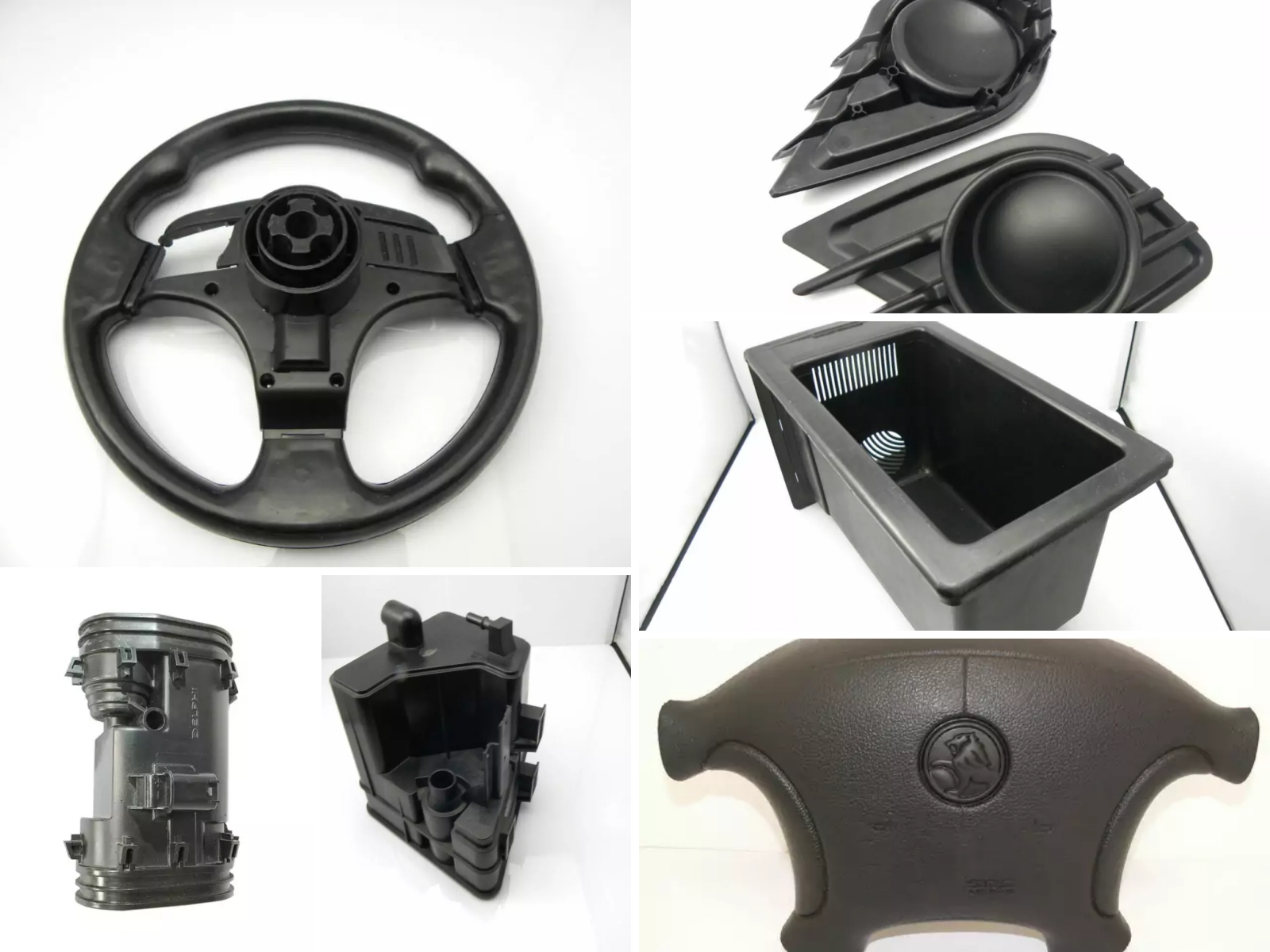
I remember a specific instance when a client faced a hefty delay because the tolerances on a dashboard component were off. This wasn’t just a hiccup; it was a costly setback affecting their entire production schedule. It’s situations like these that highlight the importance of quality control in the automotive injection molding process. But what can be done to prevent these mishaps?
Spotting Hidden Pain Points
Many manufacturers overlook the integration of feedback loops in their production processes—big mistake! In my experience, not addressing the design flaws early can lead to major headaches later on. A $5 part can end up costing thousands due to rework and wasted materials. In this fast-paced industry, we must keep a pulse on parts quality and improve communication between design and manufacturing teams.
The struggle often lies in the complexity of designs, which can lead to inefficiencies. I’ve seen it firsthand: engineers get all excited about innovative shapes while production teams scramble to meet dimensions that comply with standard molds. When everyone is not on the same page, things may crumble (and fast).
How Can We Move Forward?
Looking to the Future
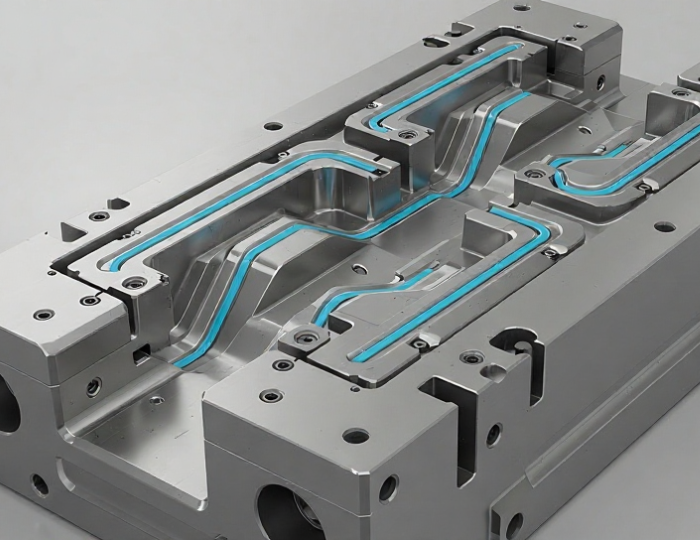
To shift gears, let’s focus on a more proactive approach with automotive plastic injection molding. Future developments in technology, such as 3D printing and advanced software, offer promising avenues for solving these persistent issues. I firmly believe that by incorporating simulation tools early in the design phase, manufacturers can visualize the final product without the need for costly prototypes.
Furthermore, embracing a culture of continuous improvement is crucial. When I worked with a company that adopted lean manufacturing practices in 2019, they significantly cut down their production time, enabling them to adapt swiftly to changing market demands. It wasn’t easy, but the results were worth it. We must also be open to collaboration among suppliers and manufacturers—after all, it’s often the collective efforts that yield the best results. Isn’t that how you get things done?
What’s Next for Manufacturers?
Summing It All Up
Over the years, I’ve learned that navigating the world of automotive plastic injection molding is both challenging and rewarding. We must recognize the hidden pain points in our processes and be ready to tackle them with a forward-thinking attitude. The takeaway? Always be ready to adapt—continuous feedback and collaborative improvements can make a huge difference. And remember, there’s always a path towards optimizing efficiency and reducing costs.
Out of countless encounters, one principle stands out: a solid partnership with suppliers like Livepoint Tooling can be a game changer. Trust me; your production line will thank you.
About the Author