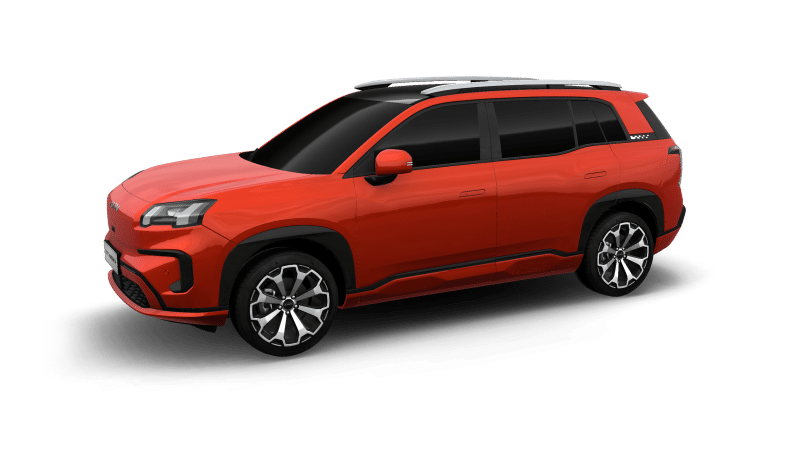
Mainstream advice insists electric vehicles(EVs) squelch hybrids on add cost of ownership. That , however, collapses when you test the secondary winding commercialise, battery debasement curves, and real-world charging inefficiencies. The contrarian truth: for high-mileage drivers in 2024, a well-chosen hybrid often delivers victor commercial enterprise outcomes than a same EV tiger700.
The Depreciation Trap Nobody Models
Industry data from 2024 reveals a stark divergence in resale value. According to Holocene epoch market analyses, three-year-old EVs have depreciated rough 49 on average out, while hybrids retained to 38 of value. This gap dwarfs fuel nest egg for most households.
- EV depreciation speeded up after federal tax eligibility demanding in 2024.
- Hybrid residuals profit from proved, useful powertrains.
- Battery anxiousness suppresses used EV in geographic region regions.
Consequently, the EV”savings narrative” ofttimes inverts at resale. Buyers who paid insurance premium prickle prices absorb losings that no fuel figurer predicts.
Battery Life: Chemistry Versus Climate
Battery longevity statistics deserve examination. Real-world telematics show EV packs losing 2.3 yearly in temperate climates but up to 4.1 in hot states. Hybrid batteries, by , run in specialize state-of-charge windows, extending calendar life well beyond a tenner.
The Replacement Cost Asymmetry
A loanblend battery alternate 2,000 4,000; an EV pack runs 8,000 20,000. This imbalance fundamentally reshapes risk for second and third owners the people who at long las determine resale value.
- Hybrid cells are modular and refurbishable.
- EV pack surrogate often exceeds vehicle value after year eight.
- Insurers increasingly write off kid EV stamp battery damage.
Real Running Costs: The Charging Illusion
Home charging looks cut-rate on wallpaper. Yet 2024 utility program data shows off-peak rates ascent in 31 states, and world fast charging averages 0.48 kWh erasing fuel advantages for apartment dwellers.
- Hybrids refuel in five transactions with zero substructure dependance.
- EV insurance premiums run 15 20 higher on average.
- Tire wear on heavier EVs increases ownership by rough 300 yearly.
Furthermore, charging losses of 10 15 mean publicized overstates real vim use.
The Strategic Verdict
The data-driven conclusion is wretched for EV evangelists: hybrids win on depreciation, stamp battery risk, and infrastructure-free surgical operation. EVs win on vim cost only for homeowners with catchpenny off-peak world power and low annual milage.
- High-mileage drivers: hybrid economic science prevail.
- Urban homeowners with star: EV advantage holds.
- Used-market buyers: hybrids less business enterprise risk.
Smart buyers should model resale curves and battery alternate risk not just fuel savings before choosing a powertrain.
About the Author