
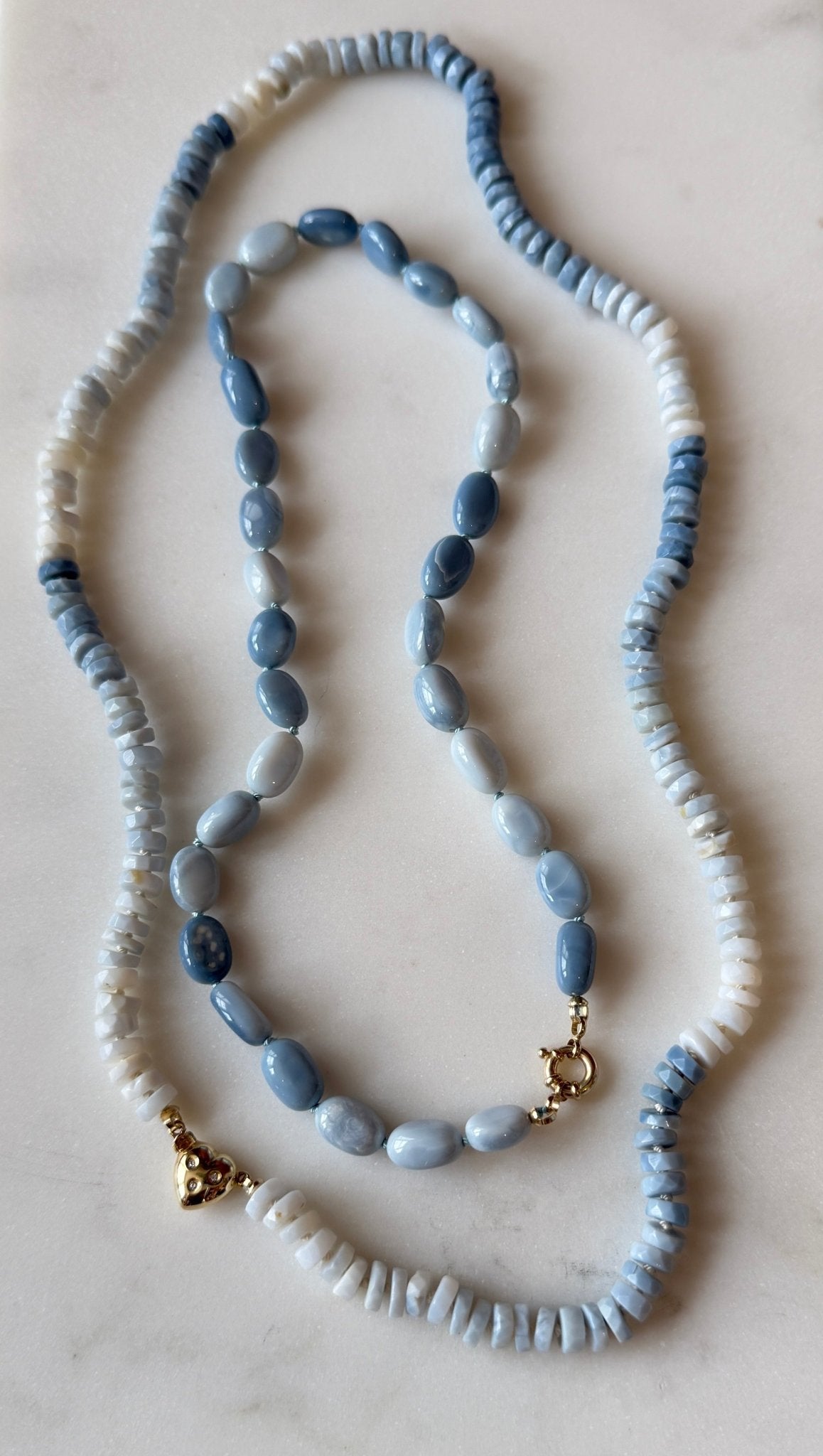
Becoming a Jewellery Designer: Skills, Tools, and Inspiration is a travel that blends creative thinking, craft, and a deep sympathy of aesthetics. Jewellery design is more than simply creating pink topaz bracelet beautiful objects; it is about telling stories through metallic element, gemstones, and form. A fortunate jewelry designer must learn to poise creator vision with technical precision, transforming ideas into wear art that resonates emotionally with the wearer. This path appeals to those who enjoy working with their men, have a fresh sense of title, and are glorious by culture, nature, and subjective expression.
One of the most momentous aspects of becoming a jewelry designer is development the right set of skills. Drawing and sketching are fundamental, as they allow designers to visualize concepts before bringing them to life. Alongside creator ability, an sympathy of geometry, proportion, and correspondence is essential to make pieces that are both magnetic and comfortable to wear. Knowledge of materials such as gold, silver medal, platinum, and various gemstones helps designers pick out the right for durability and looker. Additionally, trouble-solving skills play a John R. Major role, as designers often face challenges incidental to social organisation, poise, and wearability.
Technical skills are evenly important in jewellery plan. Learning orthodox techniques such as bonding, pit setting, , and shining forms the backbone of the . These men-on skills insure that a intriguer can ideas with precision and timber. In modern jewelry plan, information processing system-aided design(CAD) software has become a worthful tool, allowing designers to produce careful 3D models and experiment with complex forms. Mastery of both orthodox and whole number techniques gives designers greater tractability and expands their imaginative possibilities.
The tools used by jewelry designers range from simpleton hand tools to hi-tech engineering science. Basic tools such as pliers, files, saws, and torches are essential for shaping and assembling pieces. Measuring tools help maintain accuracy, while polishing ensures a professional wind up. On the integer side, CAD software system and 3D printers allow designers to paradigm designs apace and expeditiously. Understanding how to use these tools safely and in effect is material, as preciseness and attention to detail direct impact the final quality of the jewellery.
Inspiration is a force behind every jewellery plan. Designers often draw ideas from nature, architecture, account, and taste traditions. Personal experiences, emotions, and memories can also regulate designs, gift each patch a unusual narrative. Fashion trends and customer preferences play a role as well, guiding designers toward styles that vibrate with coeval audiences. By staying interested and perceptive, jewelry designers continuously find freshly sources of stirring that keep their work groundbreaking and significant.
Education and practice are key elements in edifice a victorious jewellery design career. Many designers take to study at art schools or technical jewelry institutes to gain dinner dress preparation. Others instruct through apprenticeships, workshops, or self-directed practice. Regardless of the path, consecutive learning is requirement, as techniques, tools, and trends constantly develop. Building a strong portfolio that showcases creativity, technical foul science, and subjective style helps designers attract clients and opportunities in the industry.
Ultimately, becoming a jewellery intriguer requires passion, patience, and dedication. The work involves experimentation, encyclopedism from mistakes, and refining one s creator vocalise over time. With the right combination of skills, tools, and stirring, designers can produce pieces that not only raise smasher but also carry feeling and symbolic value. Jewellery design is a appreciated profession for those who are willing to vest in their craft and express their creative thinking through unchanged, vesture art.
About the Author