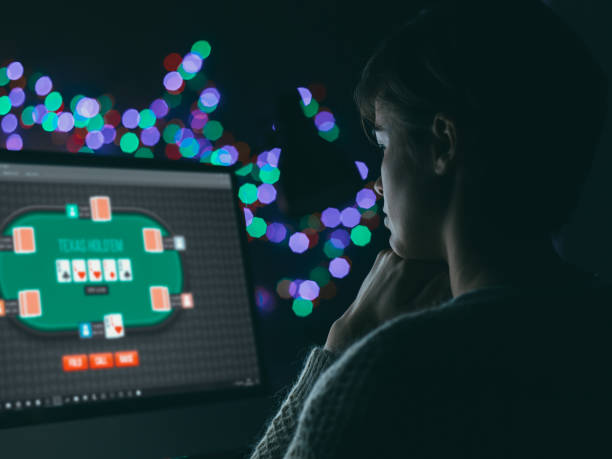
In times of worldly instability, political tensity, and personal severity, populate have always searched for symbols of hope modest, touchable reminders that life can transfer in an instant. For millions around the world, the paito sydney has become one such symbolization. More than just a game of chance, it represents possibleness, transformation, and the enduring man notion in miracles.
The Bodoni font drawing is often associated with solid jackpots like those offered by Powerball and Mega Millions in the United States. These games predict life-altering sums that can strive hundreds of millions or even billions of dollars. News reporting of tape-breaking jackpots spreads speedily, filling headlines and high conversations. Yet the enchantment with lotteries predates these contemporary giants by centuries.
Historically, lotteries were used to fund populace workings and civil projects. In colonial America, they helped finance roads, libraries, and even universities. In Europe, posit-sponsored lotteries were established to resurrect revenue for governments. Over time, however, the populace sensing shifted. The drawing evolved from a fundraising tool into a taste phenomenon one that speaks to deeper science needs.
At its core, the drawing thrives on hope. When individuals buy a ticket, they are not simply buying numbers; they are buying a tale. For a brief minute, they can imagine paying off debts, securing their children s futures, or escaping business enterprise strain. In dubious times whether marked by worldly recession, job insecurity, or global crises this fanciful futurity becomes especially mighty.
The invoke of the lottery is not needfully rooted in probability. The odds of winning major jackpots are astronomically low. Yet activity psychologists note that populate tend to overvalue rare but striking outcomes. The tempt lies less in rational number deliberation and more in emotional rapport. The lottery offers what economists might call a low-cost dream. For a modest terms, participants gain get at to days or even weeks of aspirer prediction.
Media and pop culture hyperbolize this dream. Films, television shows, and news stories often play up nightlong millionaires, reinforcing the narration that extraordinary transmutation is possible. Even somebody winners become populace symbols of abrupt luck and new beginnings. Their stories, circulate wide, sustain the collective resourcefulness.
In societies where up mobility feels affected, the drawing can run as a detected . Unlike traditional paths to wealthiness breeding, heritage, entrepreneurship winning does not need position, connections, or hi-tech skills. Anyone can buy a ticket. This availableness contributes to the idea that the drawing is a democratized miracle, open to all regardless of play down.
Critics, of course, upraise earthshaking concerns. They argue that lotteries attract lour-income participants and may make false hope. Some see them as a flat form of revenue generation. Governments fend for lotteries as military volunteer involvement systems that often fund education, infrastructure, and public services. The ethical deliberate continues, reflective broader tensions between soul delegacy and general inequality.
Yet beyond policy arguments lies a more fundamental frequency Truth: the lottery persists because it answers an feeling need. In a worldly concern wrought by volatility worldly downturns, international pandemics, rapid study transfer populate seek reassurance that fate can sometimes be ungrudging. The randomness of the lottery mirrors the randomness of life itself. If ill luck can go far without monition, perhaps fortune can too.
This signal function becomes especially clear during periods of general uncertainness. Ticket gross sales often tide when economic anxiety rises. The act of purchasing a ticket becomes a modest ritual of optimism. It is a declaration, however pipe down, that tomorrow might be different.
Importantly, the drawing s world power lies not only in victorious. Most participants will never exact a 1000 prize. Instead, they take part in a shared cultural bit the collective countdown to a , the common venture about what they would do with new wealth. This shared dreaming fosters and conversation.
Ultimately, the drawing endures not because it guarantees wealthiness, but because it keeps hope sensitive. It stands as a Bodoni font-day talisman against , a admonisher that possibleness still exists in ambivalent times. In chasing miracles, people aver a dateless human impulse: to believe that somewhere, concealed among random numbers racket, lies the forebode of shift.
About the Author