Getting started with Forex can be a little like stepping into a fast-moving river: exciting, full of promise, and a little intimidating if you don’t know the direction of the current. Charts, jargon, trading platforms, leverage, and spreads can be a little overwhelming for the newcomer. The good news is that you don’t need to understand everything right from the start. With the right tools and a good platform, the beginner can dip their toes into the water without feeling overwhelmed.
This guide will take you through the key elements for the newcomer to Forex trading, particularly if your aim is to trade professionally or even join a Prop Firm.
Why Forex Attracts So Many New Traders
The Forex market is the biggest financial market in the world, open 24 hours a day, five days a week. But here’s the good news: you don’t have to have a fortune to get into it, like you do with stocks. You can trade currencies from your computer, your phone, or even from the couch, sipping tea and watching TV
The flip side of being accessible, of course, is that because it’s so easy to get into, newbies tend to dive in without a plan, and that’s not a good idea.
To be a successful trader, you must think of the Forex market as a skill to be learned, not a lottery ticket to be bought.
Understanding How Forex Trading Actually Works
At its most basic, forex trading is just buying one currency and selling another. You are speculating on the strength or weakness of one currency compared to another.
For instance:
If you think the Euro will rise compared to the US dollar, you buy EUR/USD
If you think the Euro will fall compared to the US dollar, you sell it
The price movement for these currencies happens in small units called pips, and the profit or loss depends on the position taken and the direction.
The Role of a Trading Platform
Your platform is your command center, where you study charts, make trades, control risk, and monitor performance. As a beginner, your platform can be a teacher or a head-scratcher.
What to Look for in a Beginner-Friendly Platform
A best forex trading platform for beginners should have:
- A user-friendly interface
- Fast execution
- Technical indicators
- Risk management
- Both mobile and desktop capabilities
- Educational resources
Many experienced traders will tell you that learning one good platform is worth more than learning several mediocre platforms.
Tools Every Beginner Should Learn First
You don’t need a dozen tools. In fact, too many tools can lead to “analysis paralysis.” The key is to use the basics:
1. Price Charts
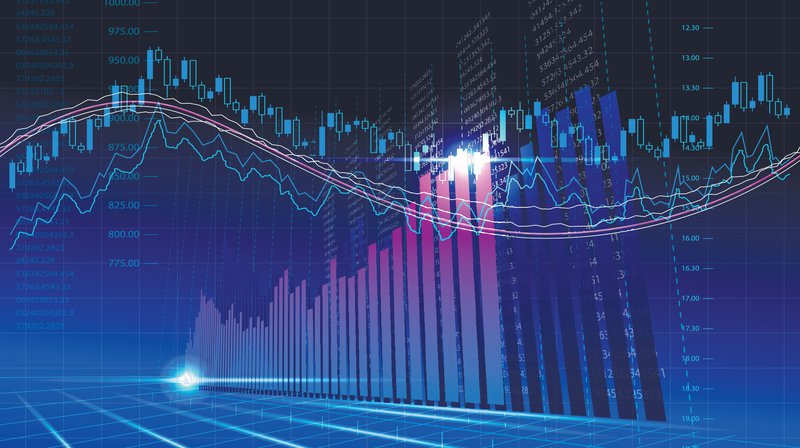
The most popular price charts are Candlestick charts.
2. Support and Resistance
These are areas in the price charts that the market tends to react to.
Learning to use these can make a huge difference in entering trades.
3. Trend Indicators
Using a moving average can help you determine if the market is in a trend.
4. Risk Settings
You need to set stop loss and take profit orders.
These are not negotiable.
They can save you from huge losses.
They can also help you make money on auto-pilot.
A Reality Check for New Traders
Many new traders are looking for a shortcut to making a lot of money in forex trading for beginners. Well, I have some bad news: There isn’t one.
The key to initial success lies in:
- Trading small
- Practicing consistently
- Keeping a journal
- Learning to lose
- Learning, not earning
Veteran traders will tell you that the first key to success isn’t making money. It’s surviving long enough to become good.
Choosing the Right Platform as a Beginner
The best platform isn’t always the one with the most bells and whistles. It’s the one that helps you execute your strategy clearly and confidently.
When choosing the best forex trading platform for a beginner, you should think about the following questions:
Is it user-friendly?
If a trade doesn’t make sense, you’re bound to make a mistake.
Does it have a demo account?
Practicing a trade without risking any money is priceless.
Are its charting tools user-friendly?
If you don’t understand a tool, you won’t use it.
Is it popular?
More popular platforms mean more available tutorials, discussions, and support.
Demo Trading: Your Secret Weapon
Before risking real money, spend time in a demo account. This isn’t just about learning buttons — it’s about developing discipline.
Treat demo trading seriously:
- Follow a strategy
- Use proper position sizing
- Track results
- Practice emotional control
Many traders rush through this phase, then struggle when real money is on the line.
Common Beginner Mistakes to Avoid
Even geniuses are subject to predictable pitfalls when they begin.
Overtrading
Making more trades doesn’t necessarily mean you’ll make more money. More often, it means you’ll make more mistakes.
Overuse of Leverage
Big positions don’t just mean big profits; they mean big problems.
Ignoring News Events
Economic announcements can cause markets to swing wildly.
Chasing Losses
Trying to “win back” your losses will probably mean bigger losses.
Knowing these pitfalls will save you months, even years, of frustration.
Building Good Habits Early
Think of your first year as laying a foundation. The habits you form now will follow you throughout your trading career.
Strong beginner habits include:
- Setting daily loss limits
- Trading only when conditions match your plan
- Reviewing trades weekly
- Taking breaks after emotional sessions
- Continuously learning
Consistency beats intensity every time.
When Beginners Start Thinking Like Professionals
Finally, there is a goal of working in a proprietary trading firm, where they offer capital and require discipline.
If this is your goal, you should start early by:
- Practicing low-risk trading
- Emphasizing consistency over achieving big wins
- Eliminating gambling
- Keeping track of performance statistics
- Treating trading like a business
Proprietary firms don't want a lucky trader, they want a consistent one.
Final Thoughts
With forex trading, you can unlock the door to financial freedom, flexible work, and worldwide possibilities. It’s not a "get rich quick" scheme. It’s more like acquiring a high-performance ability. It’s hard at first, rewarding in the end.
Keep it simple. Pick a system that feels right. Master a few basic tools, not many superficially. Safeguard your capital as if it were priceless. It is, at least in the early stages.
Above all, be kind to yourself. Every person who succeeds in forex trading was once a puzzled beginner staring at blinking screens and wondering what to do next.
Stay with the process. Stay disciplined. Keep improving. The market isn’t going anywhere. Neither are you. At least, not if you do it right.
About the Author