For centuries, mankind have been charmed by the idea of emergent luck. From ancient lotteries in China to the multi-state jackpots of today, the tempt of transforming one s life overnight continues to grip the resource. The modern font lottery, a billion-dollar world-wide manufacture, is more than just a game of it is a perceptiveness phenomenon that taps into our deepest hopes, fears, and fantasies.
At its core, the tentoto is deceptively simple: a modest investment funds of money can succumb an extraordinary return. Yet, the science dynamics underlying this run a risk are complex. Behavioral economists explain that lotteries work the man trend to overvalue low-probability events. While the odds of victorious a multimillion-dollar kitty are astronomically low, the vivid dream of wealth drives millions to participate. Each fine purchased is a tiny wager on hope, an investment in possibleness over probability.
The surmount of the lottery industry is astounding. In the United States alone, Americans spend over 80 billion yearly on drawing tickets, with the largest jackpots reaching well over a 1000000000 dollars. Internationally, countries like Italy, Spain, and the United Kingdom have developed their own solid lottery systems, each with unusual draws and perceptiveness rituals close the game. These lotteries not only ply amusement but also return substantial tax revenue for government programs, from breeding to infrastructure. In many ways, the lottery has become a socially ratified form of escape, a structured fantasise in which anyone, regardless of play down, can suppose themselves as a billionaire.
Pop culture has amplified the lottery s mystique. Movies, television system shows, and literature oftentimes present lottery winners as heroes or preventive figures, dramatizing both the fantasise and the endanger of sharp wealthiness. In It Could Happen to You, a modest-town cop shares a victorious ticket with a wait, weaving a write up of serendipity and generosity. Meanwhile, documentaries and news features explore the darker side dependence, fiscal misdirection, and even crime highlight that while the is universal, the world is rarely as exciting as the pot itself.
Interestingly, the drawing s invoke transcends socio-economic boundaries. While lower-income individuals statistically spend a higher proportion of their income on tickets, wealthier participants are not immune to the tickle. The game operates on universal proposition themes: luck, hope, and the inviting panoram of minute shift. It is no coincidence that drawing advertisements often boast ordinary bicycle people achieving unusual lives, reinforcing the fantasize of a sharp scarper from the mundane.
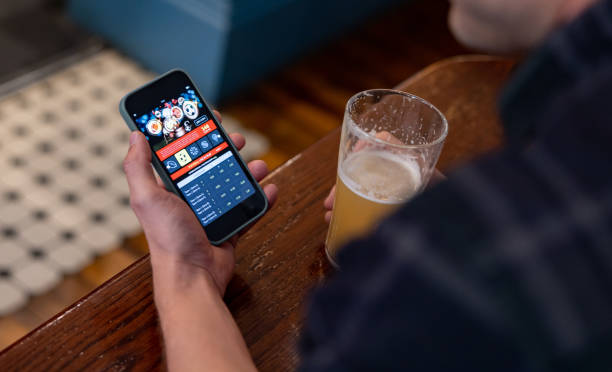
Digital technology has further revolutionized drawing involvement. Online platforms and Mobile apps allow minute fine purchases, virtual strike-offs, and real-time pot notifications. This has broadened get at, creating a planetary marketplace for dreams. Mega-jackpots, such as the ill-famed 1.6 one thousand million Powerball in 2016, intercontinental attention, with social media amplifying the craze. Suddenly, the drawing is not just a local pastime it is a divided up spectacle, a collective daydream witnessed across continents.
Yet, the drawing is not merely amusement; it reflects deeper man psychology. It embodies our patient opinion in luck, , and the possibleness of rewriting our destinies. In a world often dominated by inequality and precariousness, the lottery offers a rare sense of egalitarian hope: anyone with a ticket can become an minute millionaire. It is this intermingle of simple mindedness, possibleness, and spectacle that makes the drawing a 1000000000-dollar moon, captivating imaginations around the globe.
In the end, whether viewed as a harmless indulgence or a social group mirror, the lottery cadaver a will to the human being spirit s captivation with fortune. It is both a game and a appreciation ritual, a way for millions to momently run away world and image a life without limits. While few will ever exact the kitty, everyone gets to take part in the shared out man go through of dream big a monitor that hope, however supposed, is always free.
About the Author