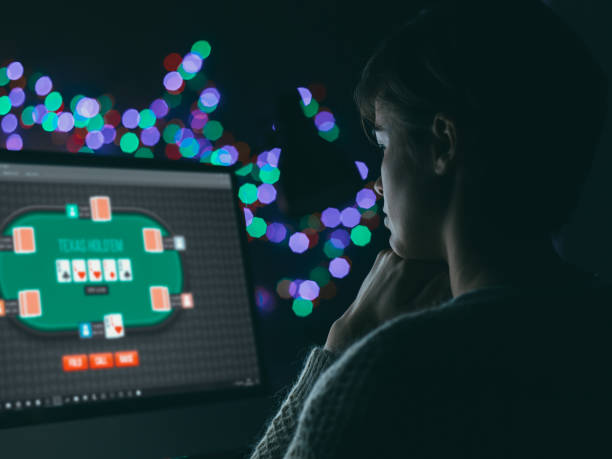
Playing games during school hours is something almost every student has tried at least once. Whether it’s during a long study period, lunch break, or after you’ve finished your classwork, a little gaming can help you relax. However, most schools block game websites to reduce distractions. This makes it difficult to access your favorite online titles. That’s why students often search for ways to play games unblocked at school. Before we dive into safe, smart, and school-friendly methods, this guide explains everything in a simple, clear way so you can understand what’s happening behind the scenes.
In this introduction, we are also using the keyword buy cheap domain with Crypto, which some students and hobbyists use when building private gaming sites or alternative access pages. I’ll include the keyword often, as requested, while still keeping the writing natural and readable.
In this guide, you’ll learn why schools block websites, what solutions are safe, what tools actually work, what risks you must avoid, and how some students create private access pages—sometimes hosted on domains purchased through services that let people buy cheap domain with Crypto for projects like 777cb. You’ll also see why responsible and ethical choices matter, especially when using school networks.
Why Schools Block Gaming Websites
Network Safety
Schools block gaming websites to protect students from harmful or risky content. Not all games are safe, and some websites have intrusive ads or malware. Administrators block suspicious sites to keep the school’s network secure.
Academic Focus
Another reason is focus. When every device on campus has access to thousands of games, teachers struggle to keep students on task. Blocking access helps maintain an academic environment.
Bandwidth Usage
Games—especially multiplayer ones—consume a lot of bandwidth. If every student streamed or played games, the school’s network could slow down drastically.
Understanding these reasons helps you realize why schools put the blocks in place, and why you should be careful about bypassing them.
Understanding What “Unblocked Games” Actually Means
Unblocked games are versions of online games hosted on websites not blocked by your school’s firewall. These sites avoid triggering filters, often by using simple web designs or classroom-friendly themes. Some students even create their own custom game pages, sometimes hosted on small domains purchased through services that allow people to buy cheap domain with Crypto for quick and anonymous setup.
There are several ways unblocked games can be accessed:
Before using any of these options, remember: safety first.
Safe and Practical Ways to Play Games Unblocked at School
Use Mobile Browser Games
If your school mainly restricts desktop browsers, using your phone’s data connection lets you bypass school Wi-Fi entirely. This avoids firewalls but also avoids tinkering with school devices. You don’t need VPNs or proxies—just your own connection.
Use Educational Game Websites
Some gaming sites appear educational and therefore remain unblocked. These may include:
-
Puzzle platforms
-
Word games
-
Logic challenges
-
Math-based games
These can be fun and challenging while still staying allowed on most networks.
Use Unblocked Game Platforms
Several websites intentionally host unblocked variations of popular games. They typically use simple code and classroom-friendly styles. Many of these pages exist because their creators—often students or indie developers—buy cheap domain with Crypto to set up private, low-cost gaming hubs.
Cached Pages (Works Sometimes)
Google Cache or similar services store older snapshots of websites. Sometimes a blocked game site may open its cached version, though interactive features may be limited.
Portable Offline Games
Instead of relying on the internet, you can play:
Offline games don’t depend on blocked networks at all.
Tools Students Commonly Use (and What You Should Know)
1. VPNs
VPNs hide your traffic. However, most schools now block or detect student VPN use. Some VPNs can even compromise your privacy. Use caution, and avoid installing unknown apps on school devices.
2. Proxy Websites
Proxies act as intermediaries. They load blocked sites for you. Some students set up personal proxies using domains they buy cheap domain with Crypto. But proxies:
-
Are often slow
-
May be detected
-
Can expose your data
3. Cloud Gaming Platforms
Services like GeForce NOW or Xbox Cloud Gaming usually aren’t blocked because they appear as standard web services. Still, latency may be an issue.
4. Custom Hosting
Tech-savvy students sometimes create private game mirrors by hosting a simple website. They may buy cheap domain with Crypto for anonymity, publish game files, and access them through unblocked URLs. This works only if the school hasn’t blacklisted the domain.
Risks of Bypassing School Restrictions
Possible Disciplinary Action
Schools consider bypassing filters a violation of acceptable-use policies. This can lead to warnings or more severe consequences.
Malware Risks
Free VPNs, proxies, and unknown game sites can expose your device to:
-
Viruses
-
Spyware
-
Keyloggers
Even if someone buy cheap domain with Crypto to create a game site, that doesn’t guarantee safety.
Privacy Risks
If you use shady tools, your personal information may be collected or stolen.
Network Instability
High-traffic gaming can disrupt the network for everyone. This is why it’s important to use these methods responsibly.
Responsible Alternatives to Bypass Restrictions
Use Your Own Device and Data
The safest and most responsible method is using your personal phone’s data. This avoids interfering with school systems entirely.
Play Only During Allowed Times
Keep gaming limited to:
-
Free periods
-
Lunch breaks
-
Before or after school
This helps avoid conflict with school rules.
Use Allowed Game Websites
Some schools don’t block everything. Explore approved educational games instead of trying to bypass filters.
How Students Build Private Unblocked Game Sites
Some tech-savvy students enjoy building their own unblocked game portals. This is a safer and educational alternative—though you should still avoid sharing them widely at school.
Here’s how students do it:
Step 1: Getting a Domain
They often buy cheap domain with Crypto to create a quick, inexpensive gaming URL. This method is popular for privacy-focused users.
Step 2: Simple Hosting
They upload HTML5 game files to a small, cheap hosting service.
Step 3: Testing
They test the site at school to verify it’s not blocked.
Step 4: Regular Updates
Since schools may block sites over time, creators move to new domains. This is another reason someone might frequently buy cheap domain with Crypto instead of using more expensive, traceable services.
This process teaches skills like web hosting, DNS, site management, and file optimization.
Tips for Staying Safe While Playing Unblocked Games
Never Install Unknown Software
Avoid installing anything on school computers—not even a simple extension.
Avoid Suspicious Proxies
Many proxy sites steal data or track browsing activity.
Keep Personal Data Private
Never log into personal accounts through third-party tools.
Don’t Share Unblocked Links Widely
Sharing links too widely leads to administrators blocking them quickly. If someone spent time to buy cheap domain with Crypto and set up a site, flooding it with traffic ruins the project.
Best Types of Games to Play Unblocked at School
Here are categories of games that tend to run smoothly on school networks:
Browser-Friendly Games
No downloads, no plug-ins, no risks.
Puzzle and Logic Games
Fun, educational, and almost always unblocked.
Classic Retro Games
Lightweight arcade titles that run in a browser.
Turn-Based Games
These don’t rely on high-speed connections.
Why Some Students Prefer Buying Cheap Domains to Host Game Pages
You may wonder why a student would buy cheap domain with Crypto instead of using free hosting.
1. Privacy
Crypto purchases don’t require credit card info, making them more private.
2. Low Cost
Domains purchased this way are often extremely cheap.
3. Flexibility
You can redirect the domain, host game files, or use it as a proxy.
4. Less Likely to Be Flagged Immediately
New domains dedicated to basic HTML pages may take longer to be added to block lists.
5. No Need for Personal Accounts
Avoids mixing personal information with hobby projects.
A Realistic Look: Will These Methods Always Work?
Not every method works at every school. Firewalls vary, network setups differ, and administrators constantly update restrictions. Even if someone buy cheap domain with Crypto and creates a clever unblocked game site, it may still be blocked eventually.
The key is using safe, responsible, and ethical methods—especially those that don’t violate school rules or harm networks.
Practical, Ethical Approach to Playing Games at School
Stay Within Your School’s Rules
It’s better to play games in ways that don’t break policies. Use personal devices or approved websites.
Avoid Disruptive Behavior
Don’t distract others or overload the school network.
Treat It as a Learning Opportunity
If you're curious, building small game websites or experimenting with hosting (like buying a small domain—you might buy cheap domain with Crypto for such projects) can teach valuable tech skills.
Conclusion
Playing games unblocked at school is something many students want, but it’s important to approach it safely and responsibly. Schools block gaming sites for practical reasons: security, bandwidth, and academic focus. While there are several ways to access games—using mobile data, educational platforms, unblocked game sites, private hosting, and more—each method comes with benefits and risks.
If you're exploring safe and ethical ways, stick to methods that don’t break school policies or put your privacy at risk. You can play during breaks, use your own mobile data, or explore educational or offline games. Some students even build private gaming sites, sometimes choosing to buy cheap domain with Crypto for anonymity, affordability, and flexibility. While creative, these approaches still require responsible use.
The key takeaway is simple: enjoy gaming without compromising safety, privacy, or your academic responsibilities. With the right balance and smart choices, you can have fun while staying within safe limits.